GRAHAM DIX
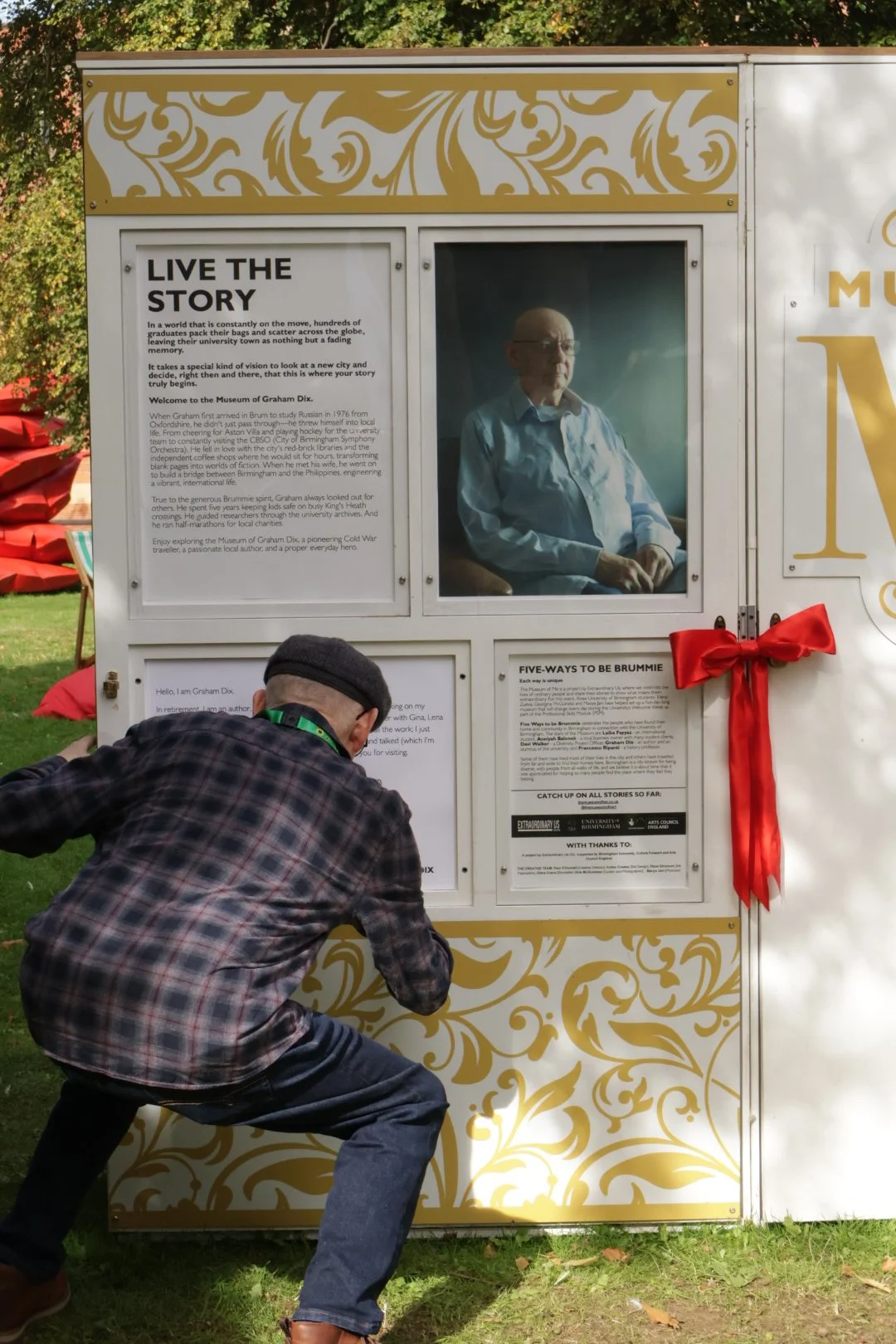
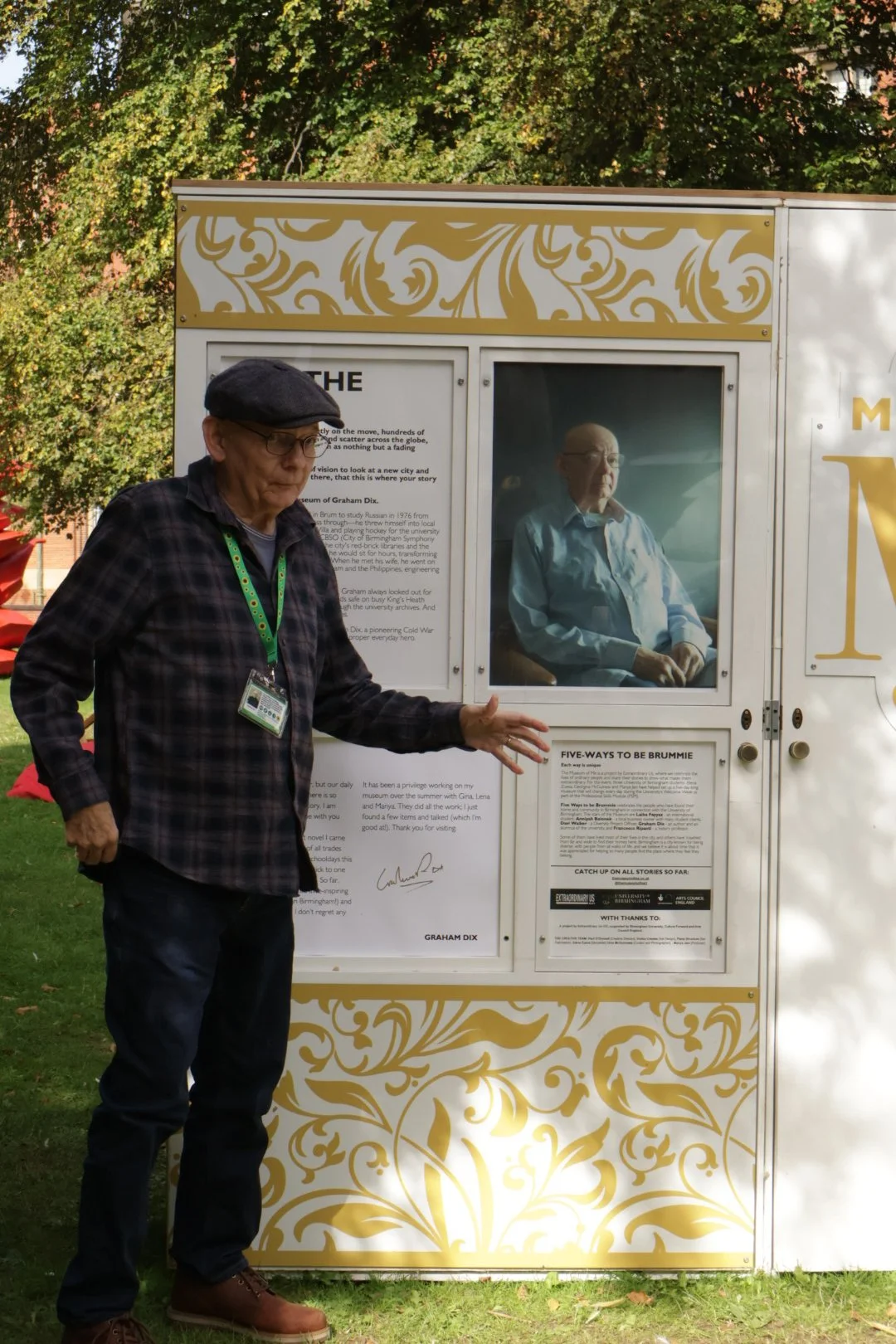
In a world that is constantly on the move, at a dramatically fast pace - it can be easy for your university experience to be a three [or more] year moment in life that makes you smile when you reminisce. But sometimes, sometimes your University Town truly captivates you and it is where your story begins.
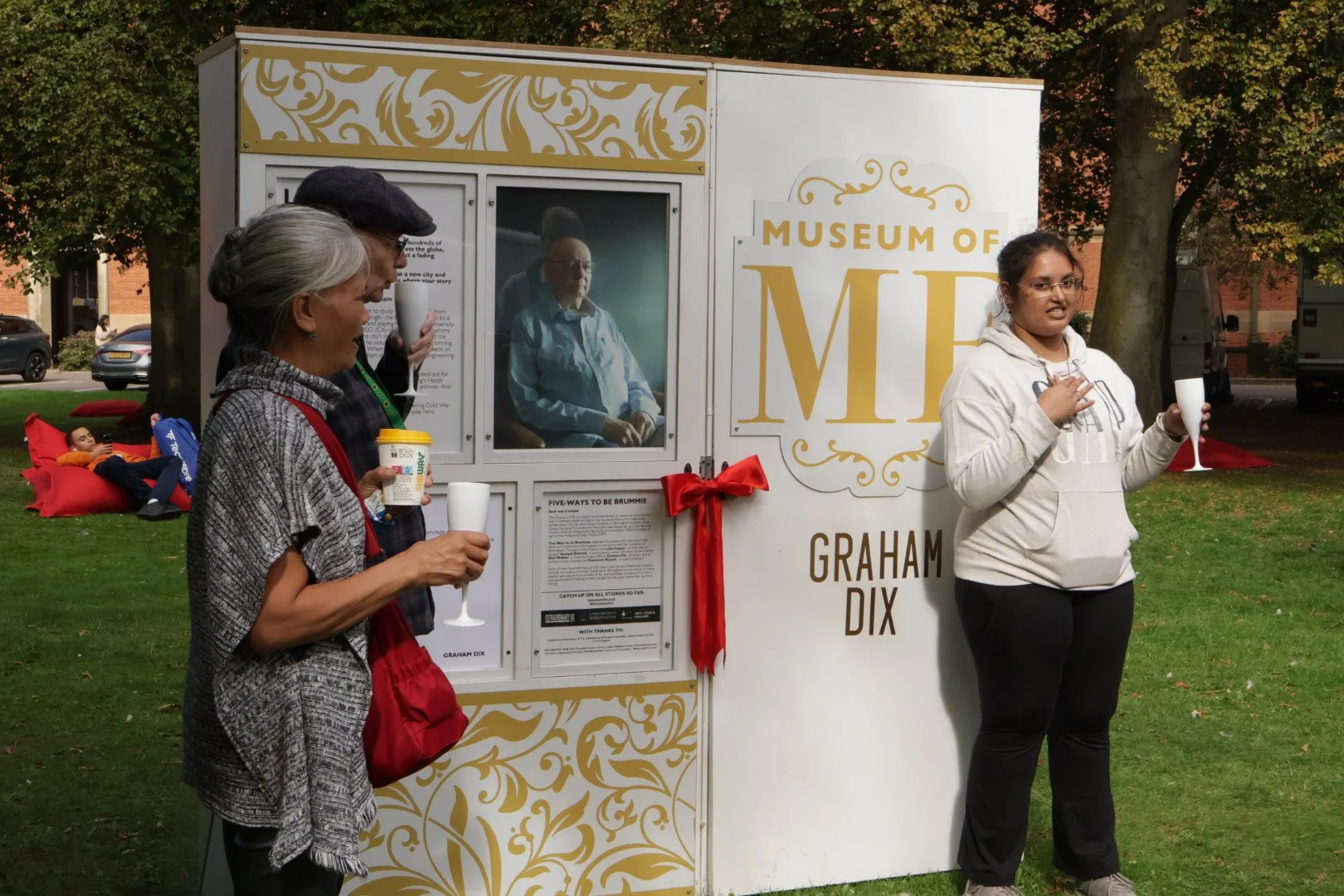
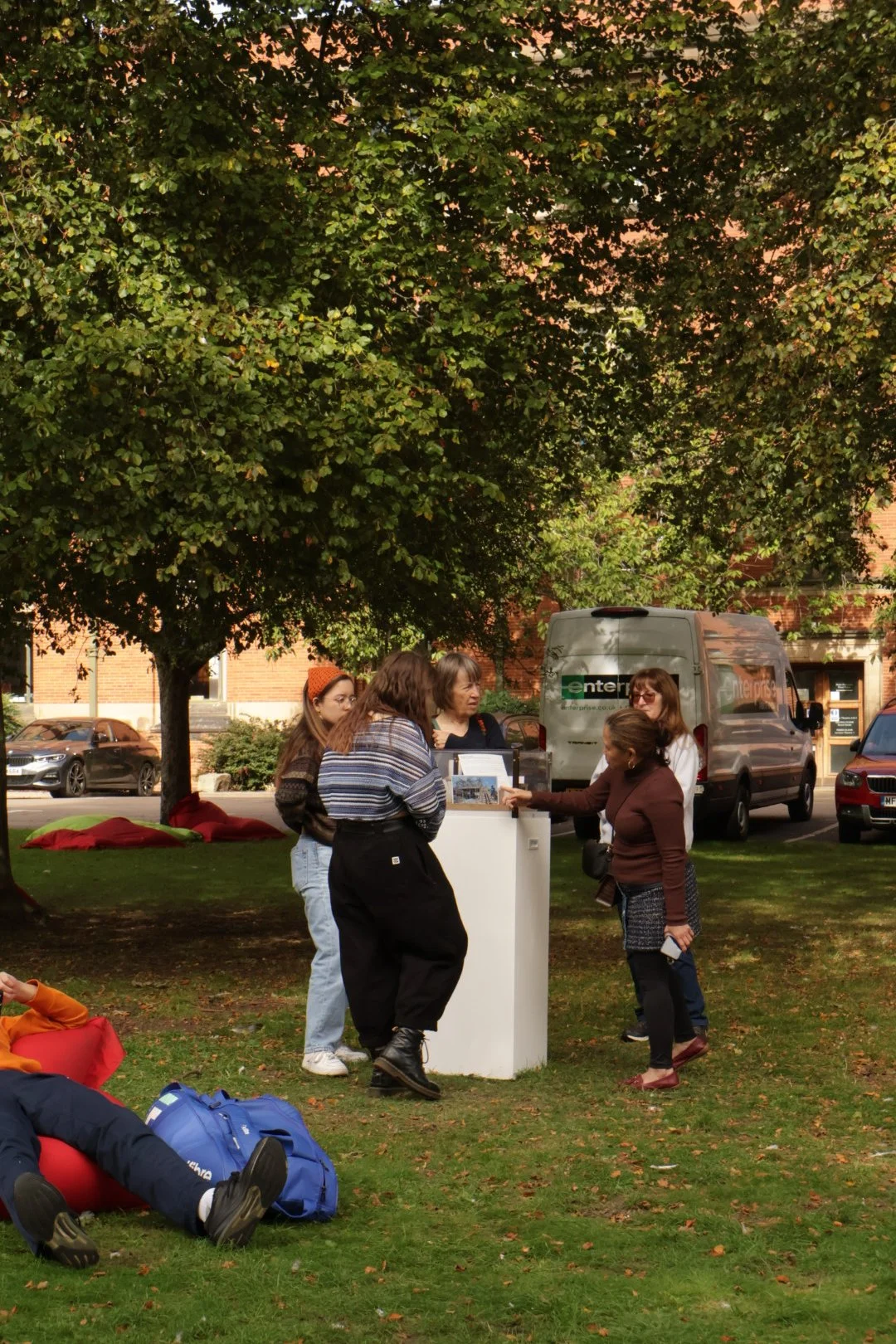
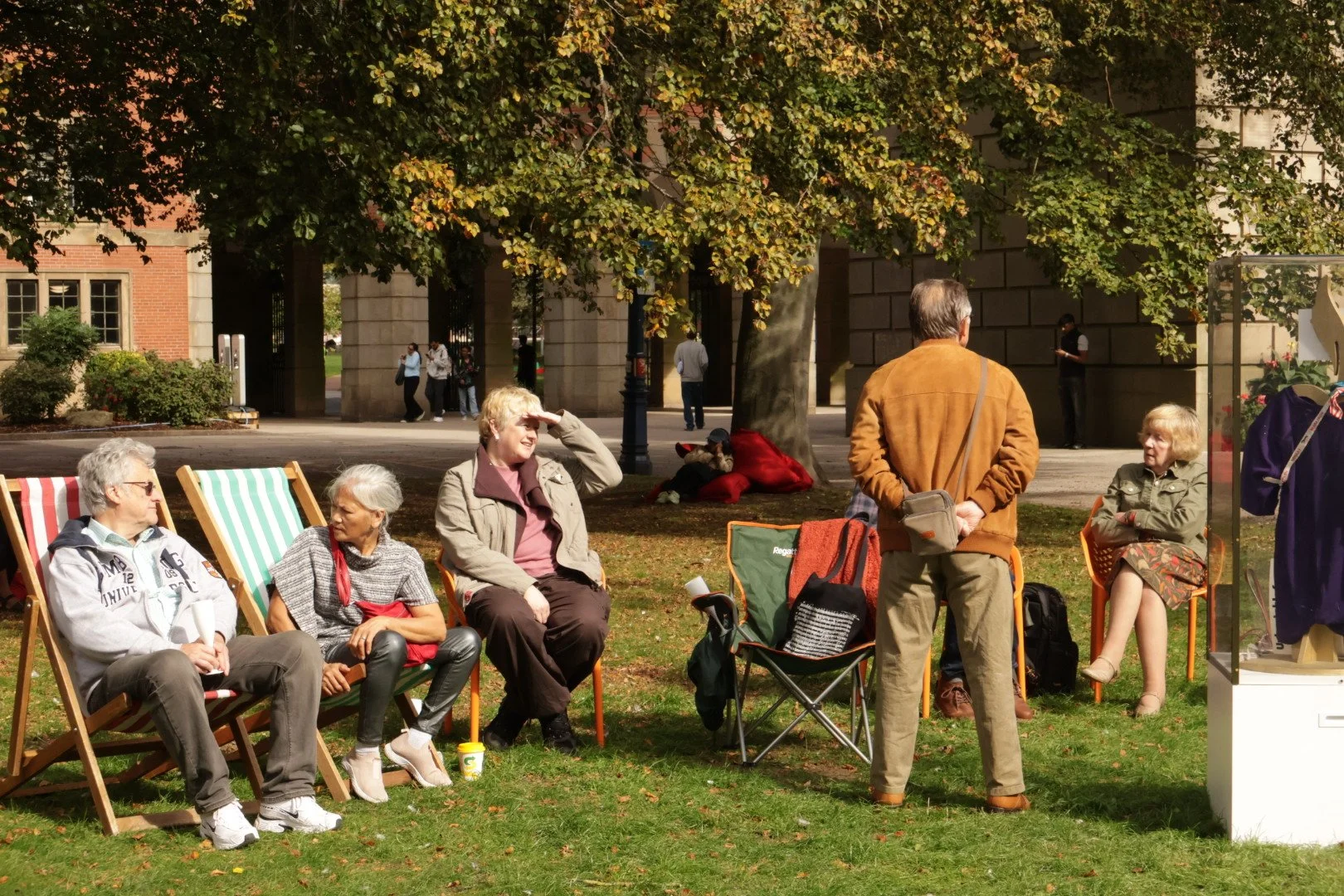
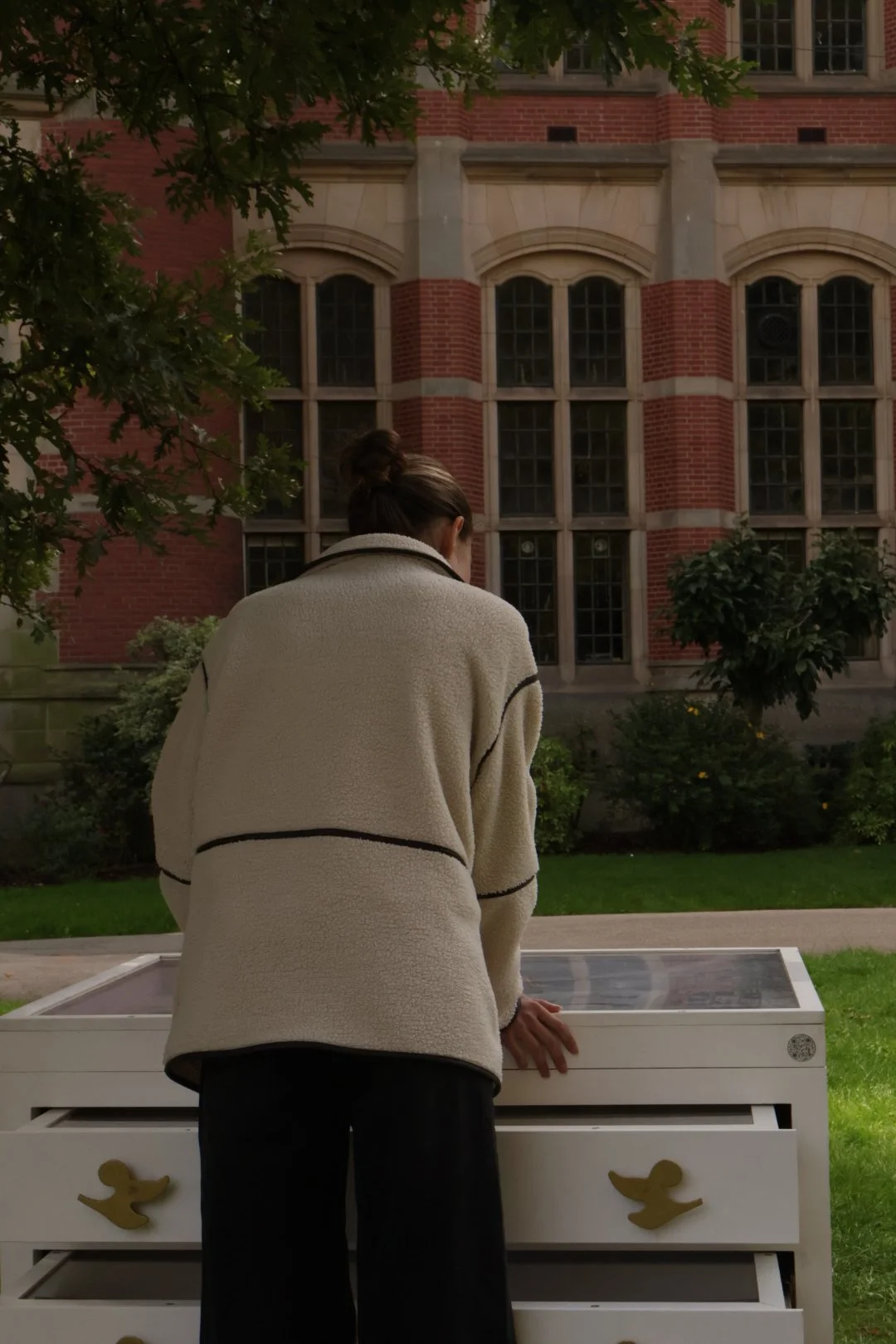
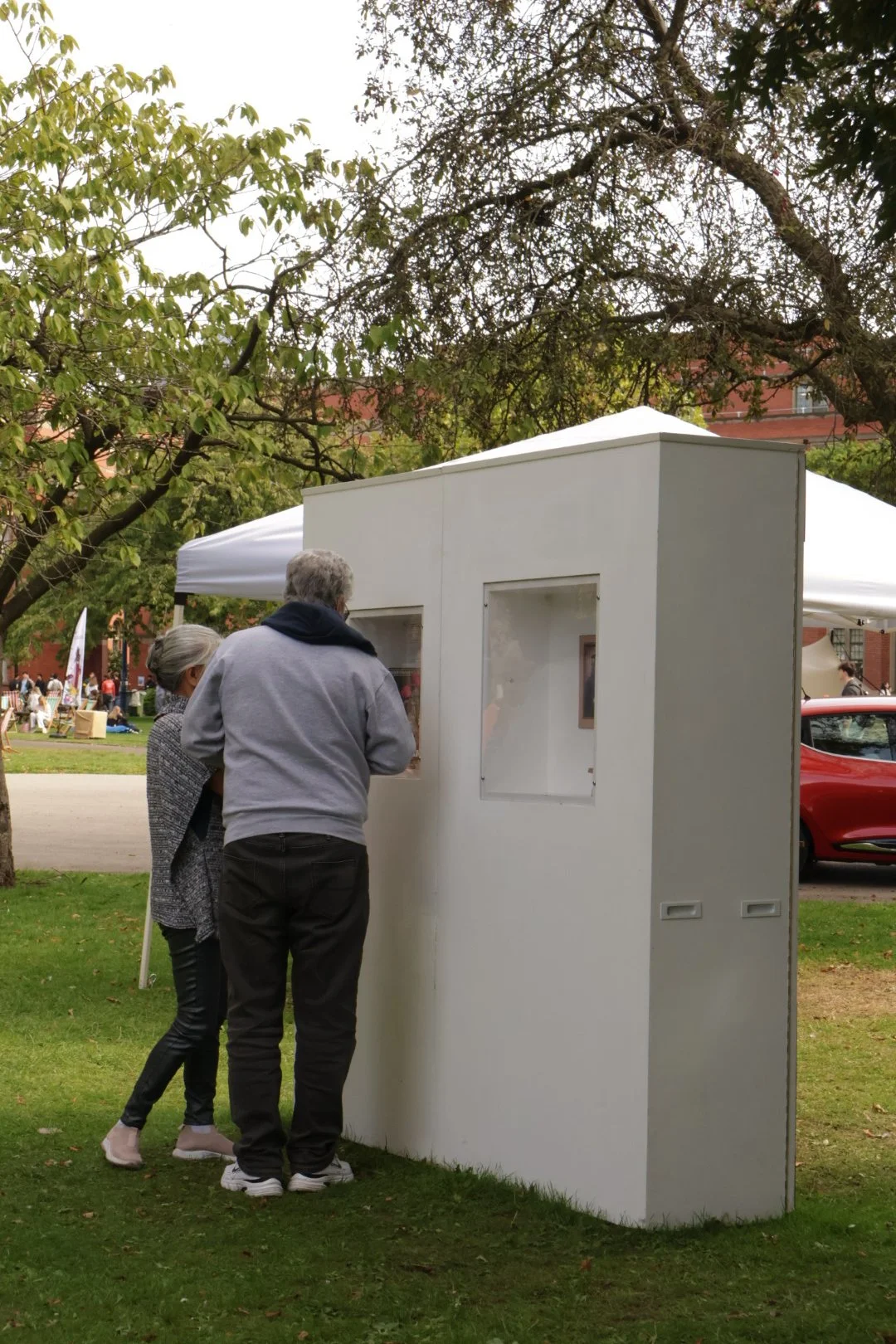
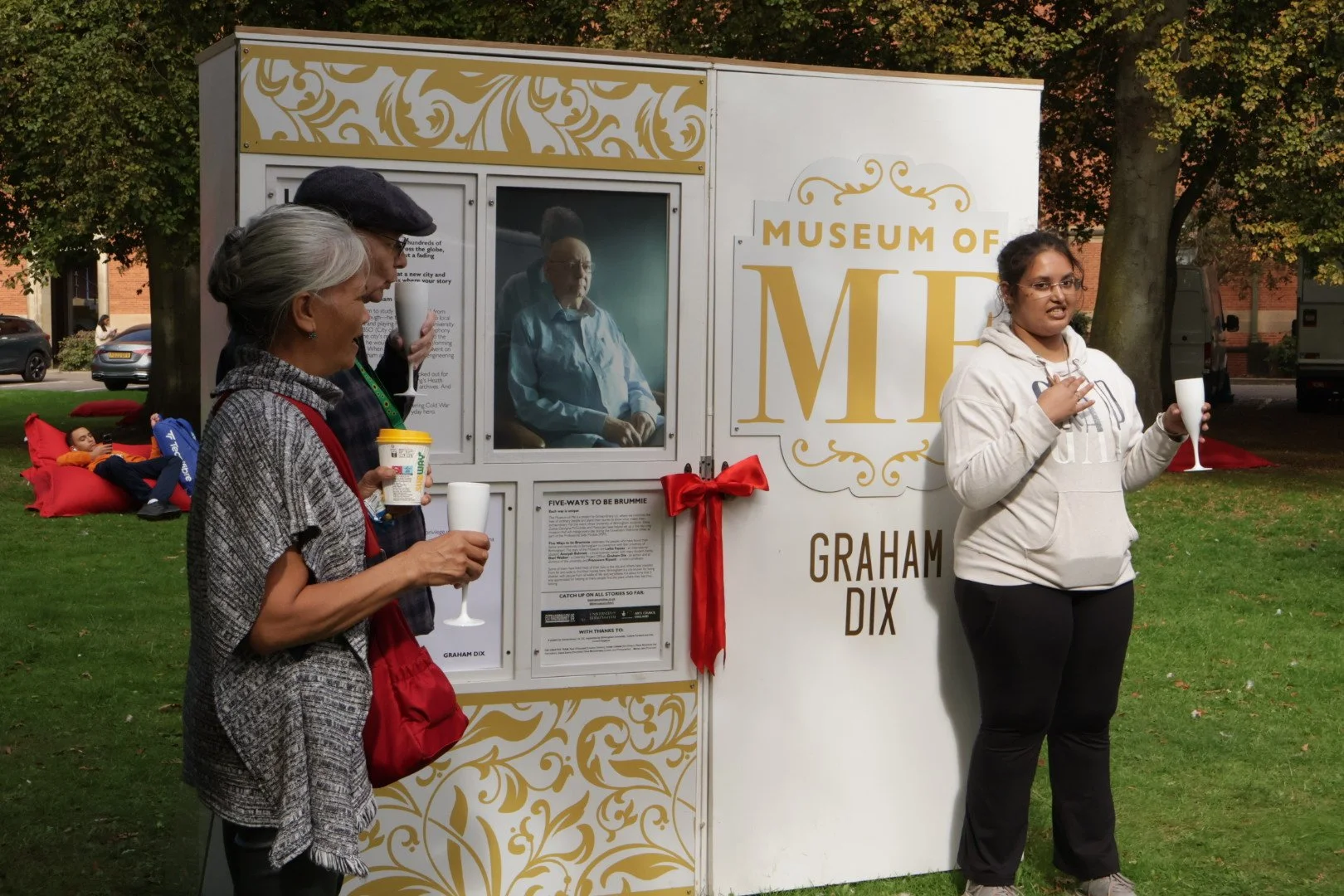
Welcome to the Museum of Graham Dix who is testament to those who found a new beginning right here at the world renowned University of Birmingham.
Graham first arrived in Birmingham to study Russian in 1976 from the far off land of ‘Oxfordshire.’
He didn't just pass through on a train - he used his University years to throw himself into local living: cheering for Aston Villa, playing hockey for the university team, and constantly visiting the City of Birmingham Symphony Orchestra. He fell in love with the city's red-brick libraries and the independent coffee shops where he would sit for hours, transforming blank pages into worlds of fiction. When he met his wife, he went on to build a bridge between Birmingham and the Philippines, engineering a vibrant, international lifestyle.
True to the generous Brummie spirit, Graham has always looked out for others and always will. He spent five years keeping kids safe on busy King's Heath crossings. He guided researchers through the university archives. And he has ran half-marathons for local charities.
Enjoy exploring the Museum of Graham Dix, a pioneering Cold War traveller, a passionate local author, and a proper everyday hero. We hope you will realise that your story starts today... if it hasn’t already.
YOUR STORY HAS BEGUN
Hello, I am Graham Dix.
In retirement, I am an author, but our daily jobs should not define us. There is so much more to everyone’s story. I am grateful that I can share mine with you now.
While researching my next novel I came across the old phrase “Jack of all trades and master of none”. In my schooldays this was a warning given to us to stick to one career. I didn’t. I’ve had 19 jobs. So far.
Along the way I have visited awe-inspiring places (none better than Birmingham!) and met wonderful people. I don’t regret any of it.
It has been a privilege working on my museum over the summer with Gina, Lena and Manya. They did all the work; I just found a few items and talked (which I’m good at!).
Thank you for visiting.
GRAHAM DIX
The Museum of Graham Dix
-
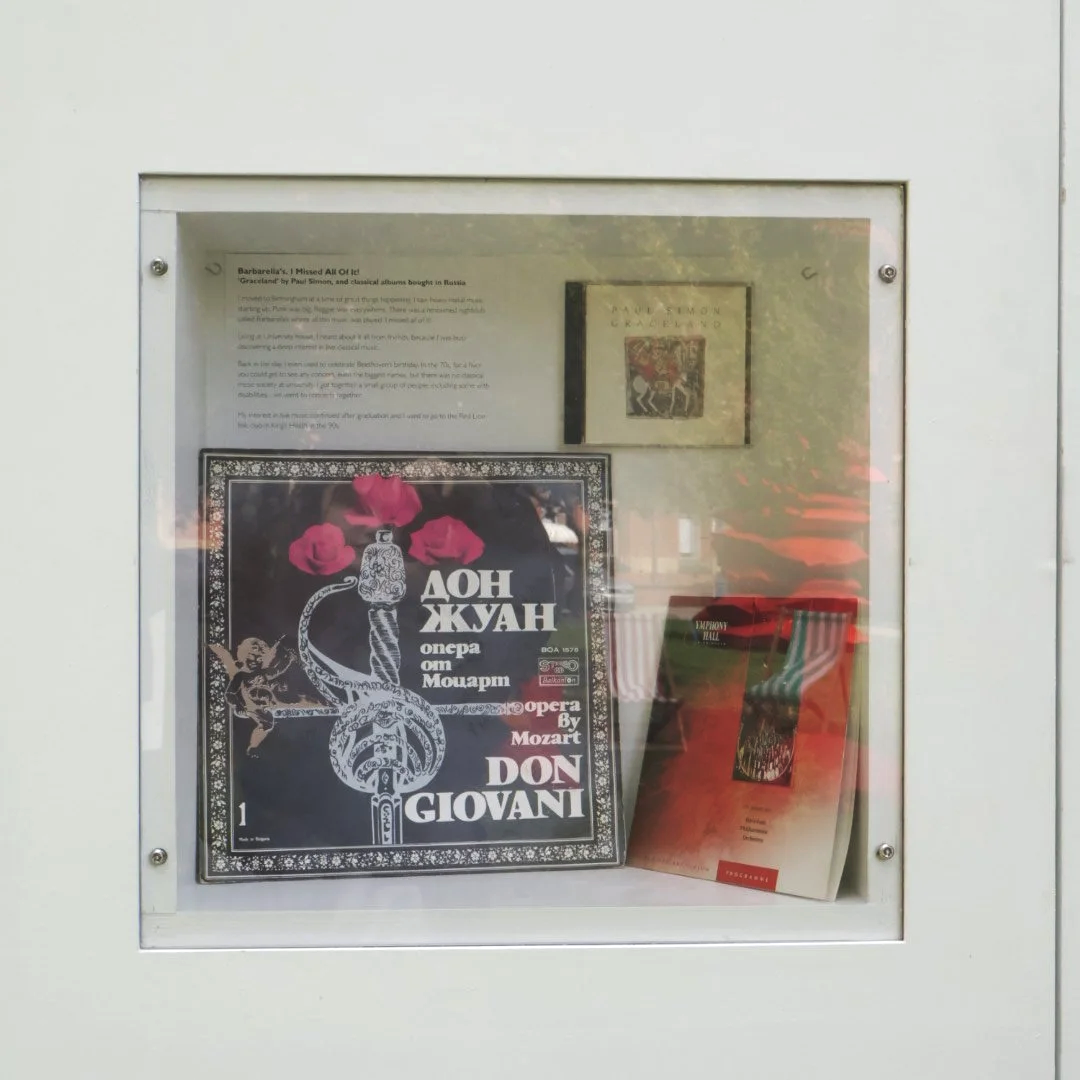
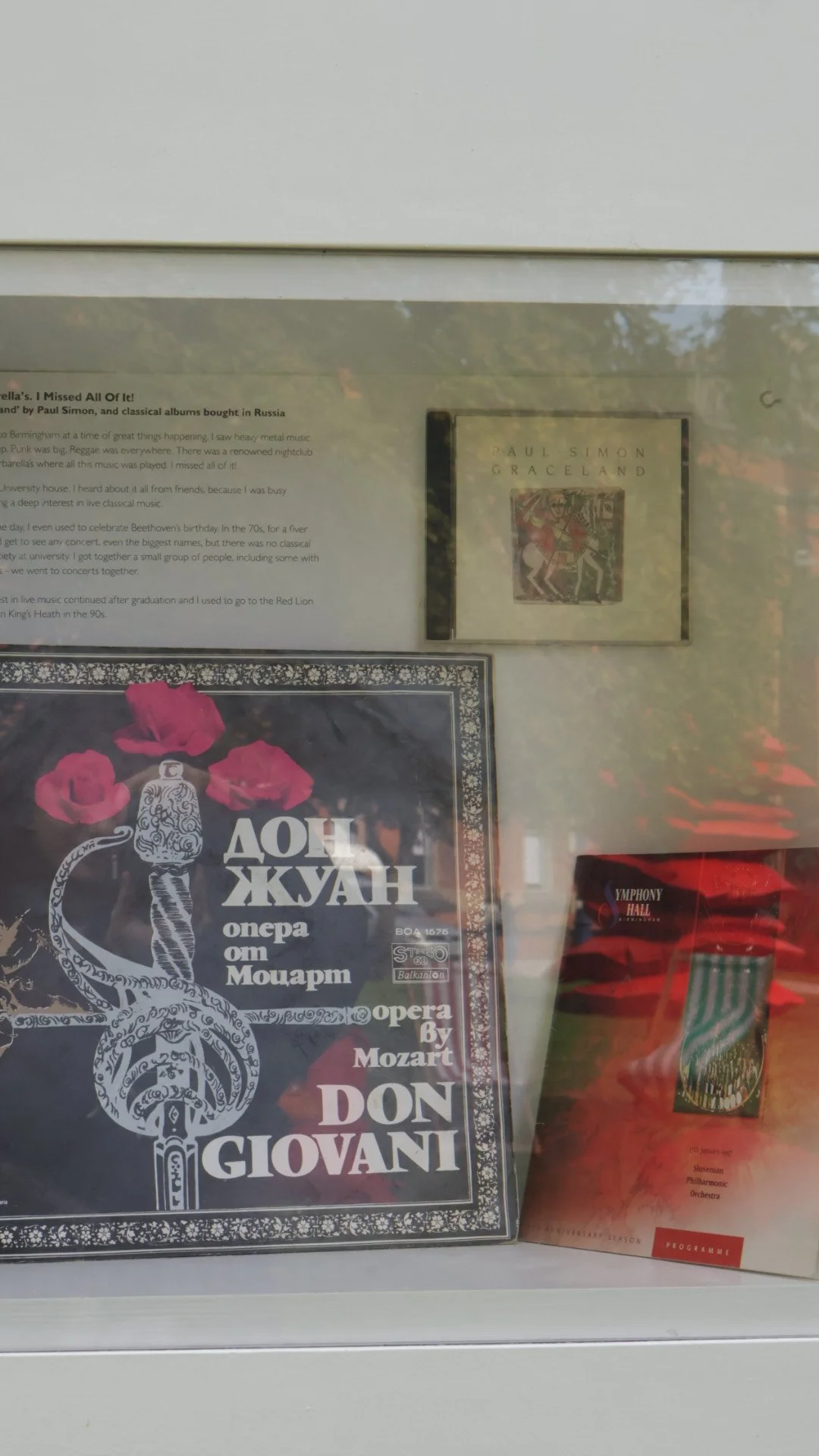
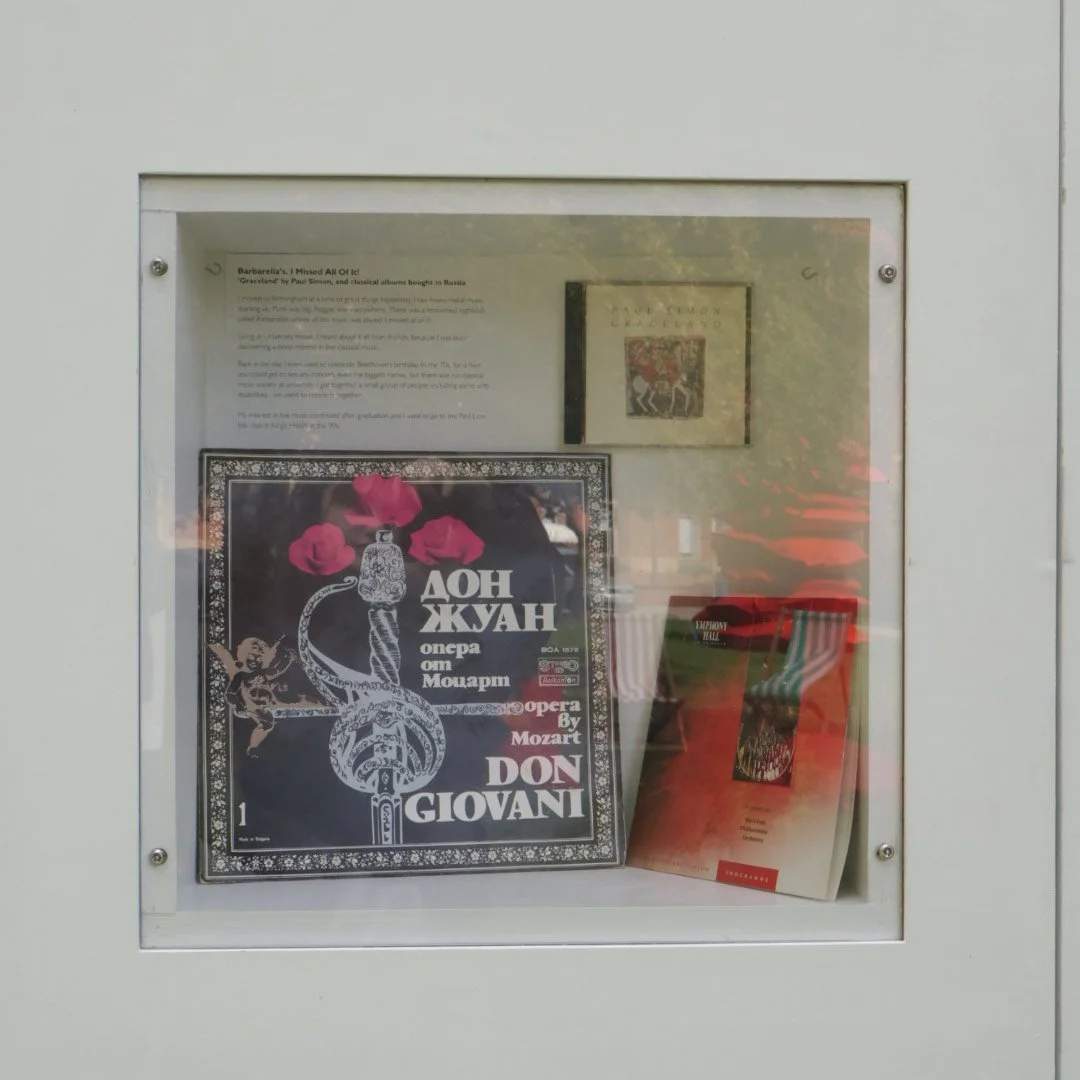
Barbarella’s. I Missed All Of It!
‘Graceland’ by Paul Simon, and classical albums bought in Russia
I moved to Birmingham at a time of great things happening. I saw heavy metal music starting up. Punk was big, Reggae was everywhere. There was a renowned nightclub called Barbarella’s where all this music was played. I missed all of it!
Living at University house, I heard about it all from friends, because I was busy discovering a deep interest in live classical music.
Back in the day, I even used to celebrate Beethoven’s birthday. In the 70s, for a fiver you could get to see any concert, even the biggest names, but there was no classical music society at university. I got together a small group of people, including some with disabilities - we went to concerts together.
My interest in live music continued after graduation and I used to go to the Red Lion folk club in King’s Heath in the 90s.
-
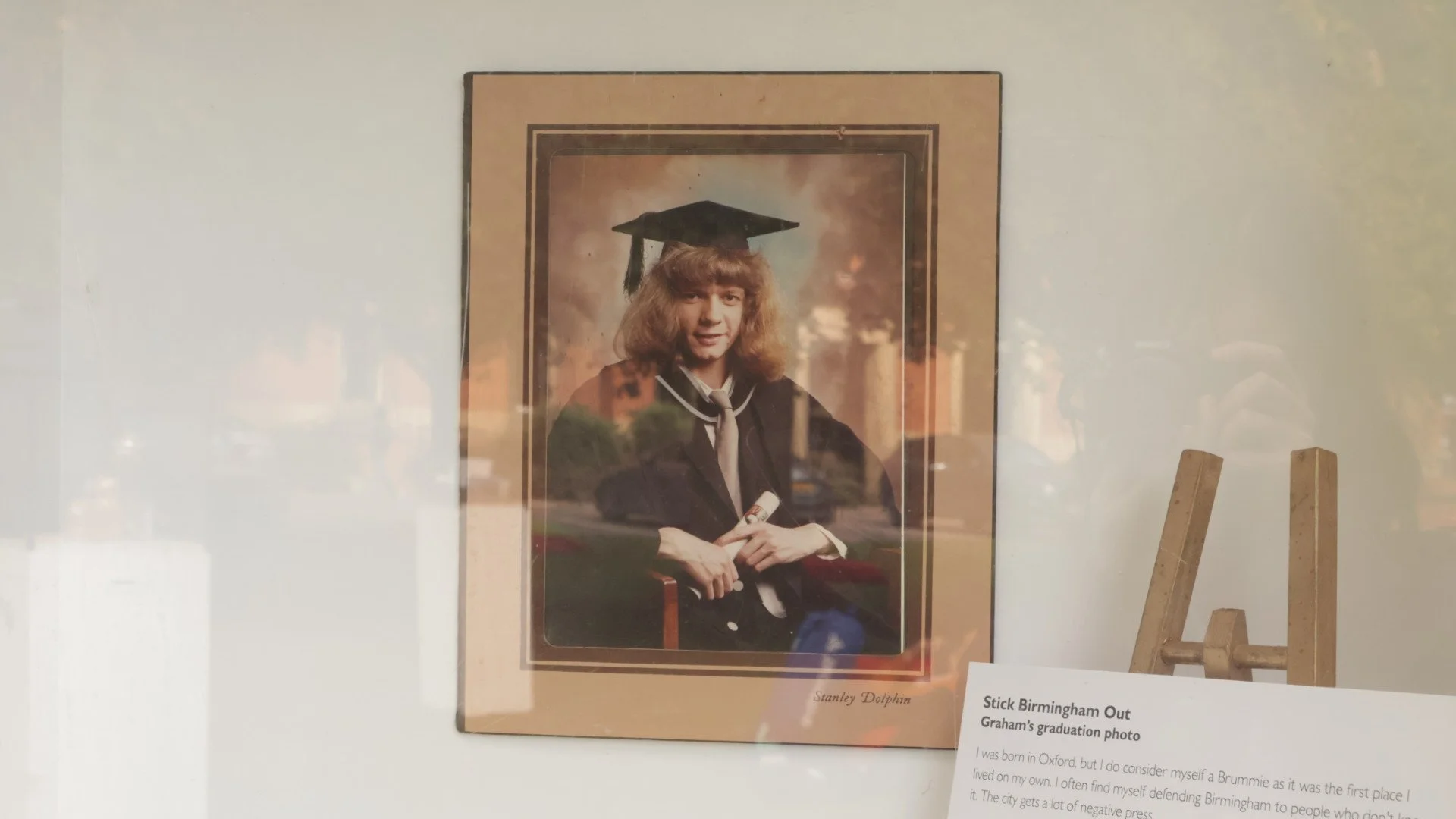
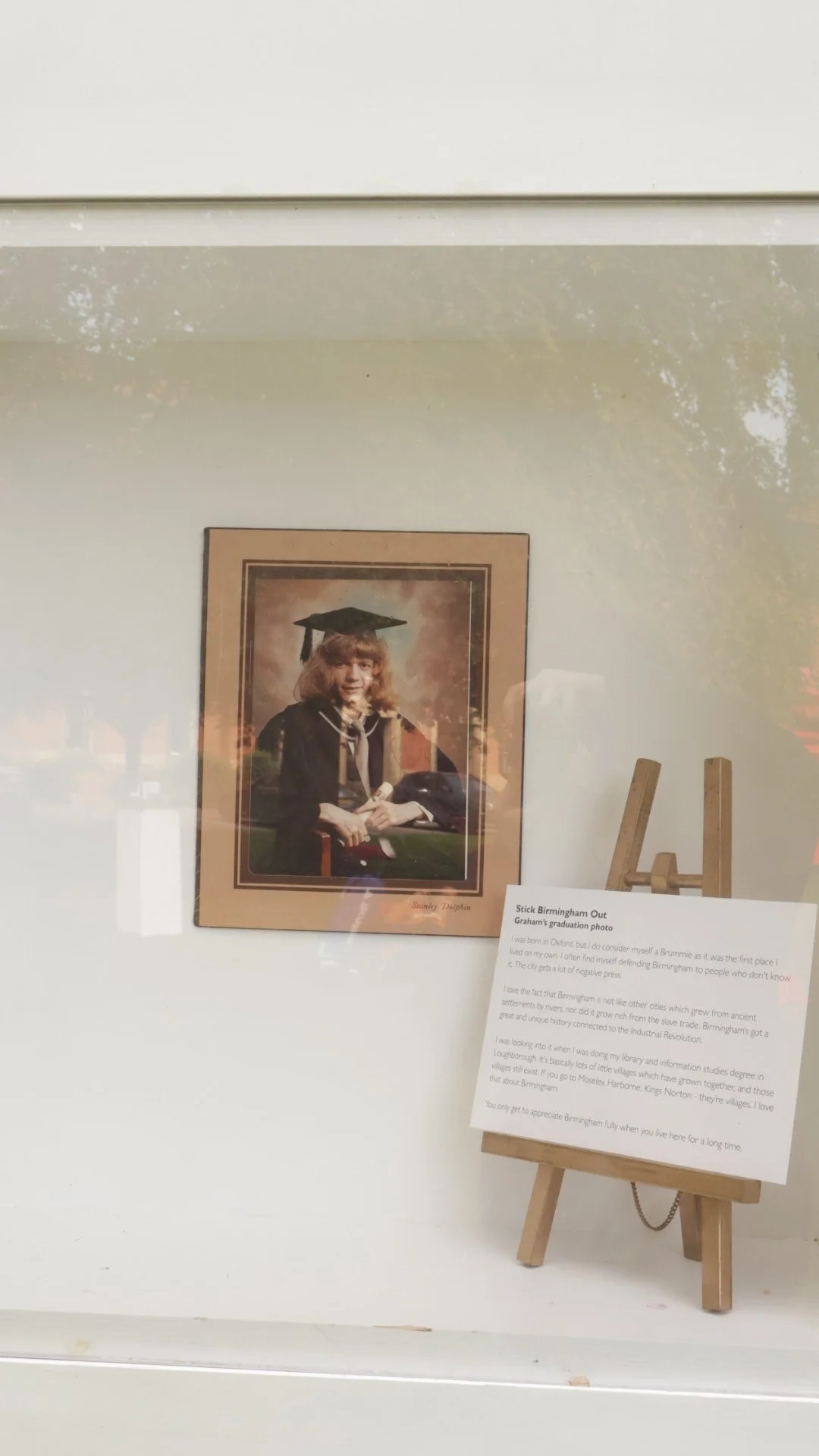
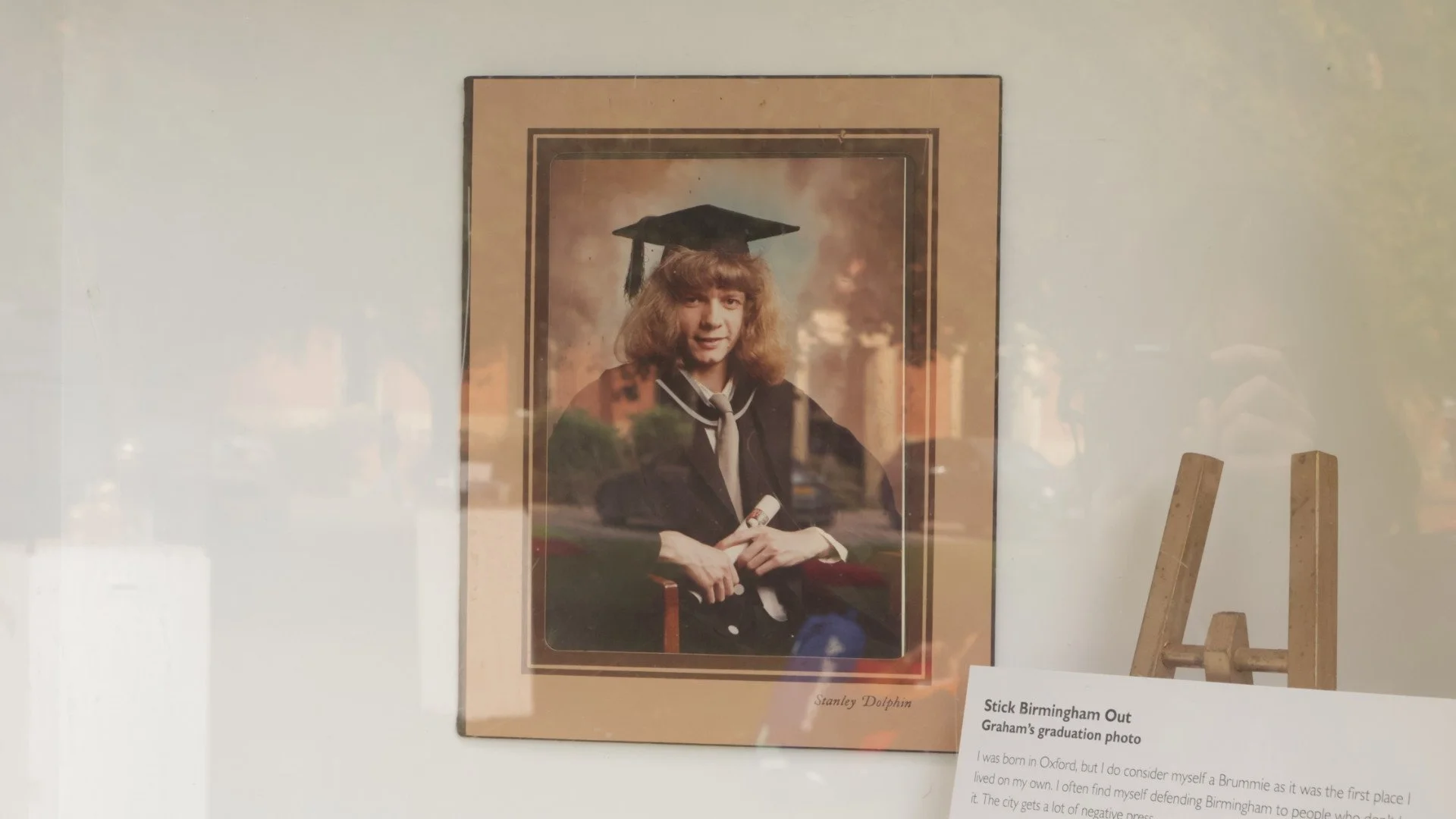
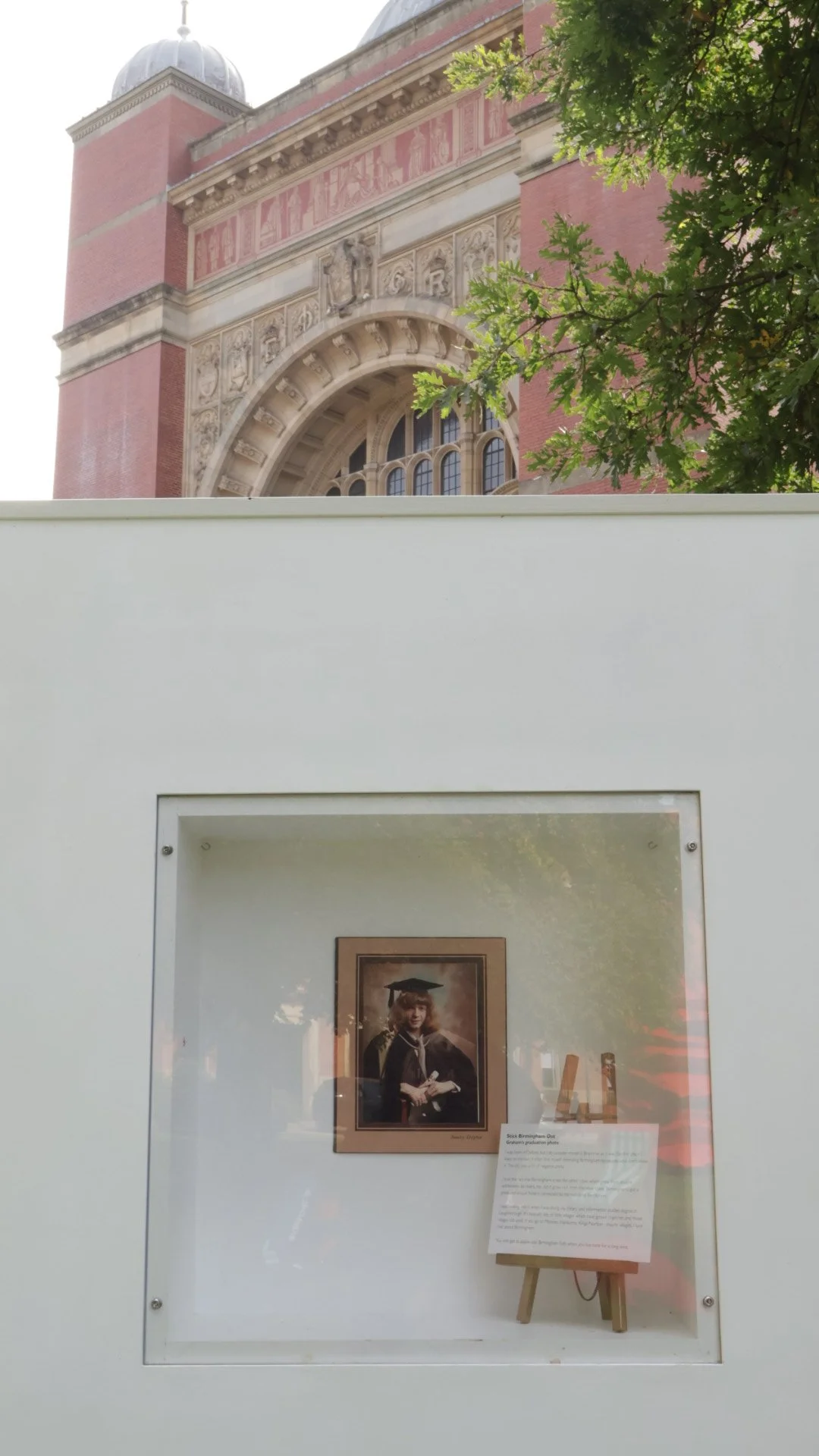
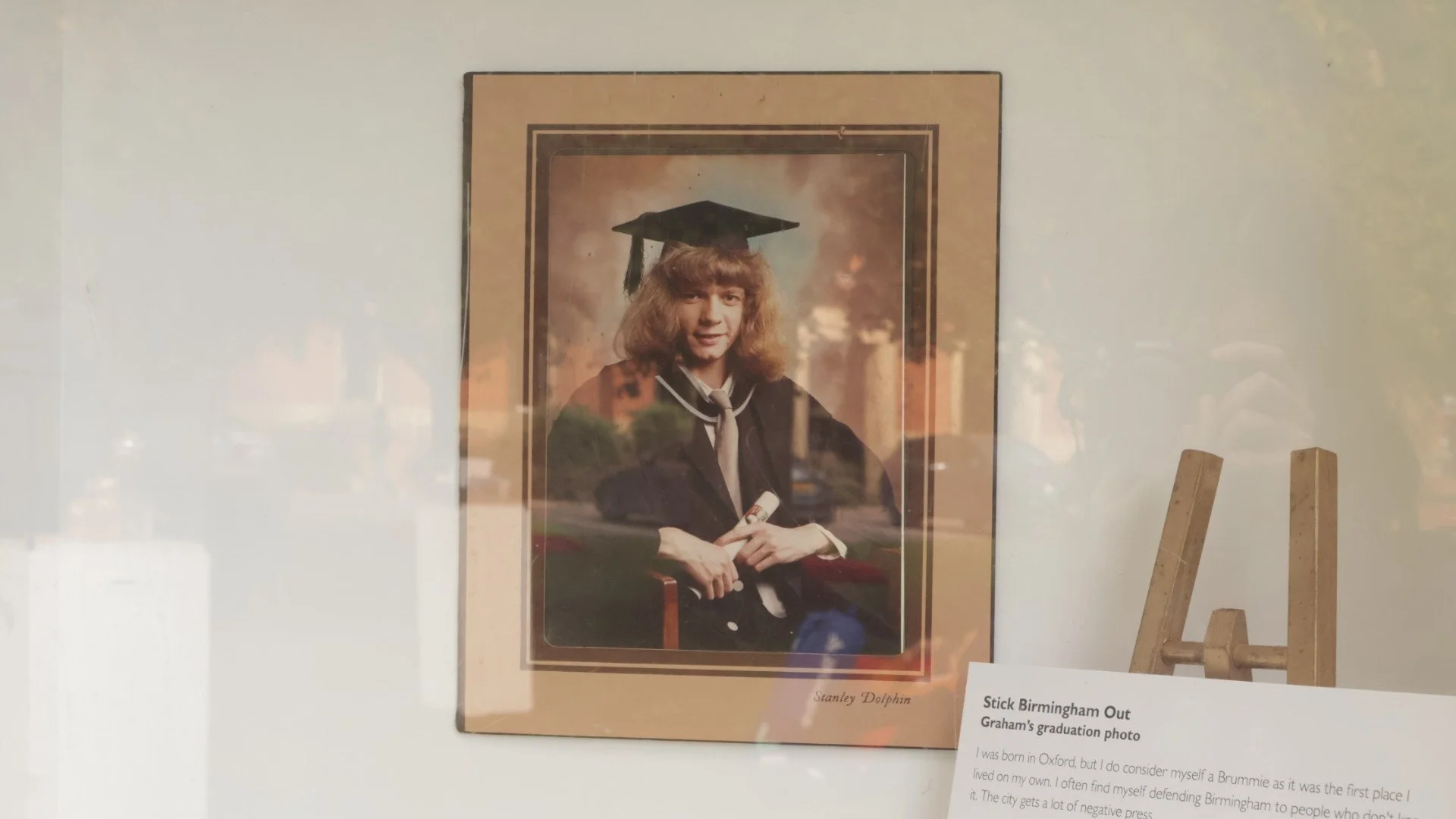
Stick Up For Birmingham
Graham’s graduation photo
I was born in Oxford, but I do consider myself a Brummie as it was the first place I lived on my own. I often find myself defending Birmingham to people who don't know it. The city gets a lot of negative press.
I love the fact that Birmingham is not like other cities which grew from ancient settlements by rivers, nor did it grow rich from the slave trade. Birmingham’s got a great and unique history connected to the Industrial Revolution.
I was looking into it when I was doing my library and information studies degree in Loughborough. It's basically lots of little villages which have grown together, and those villages still exist. If you go to Moseley, Harborne, Kings Norton - they’re villages. I love that about Birmingham.
You only get to appreciate Birmingham fully when you live here for a long time.
-
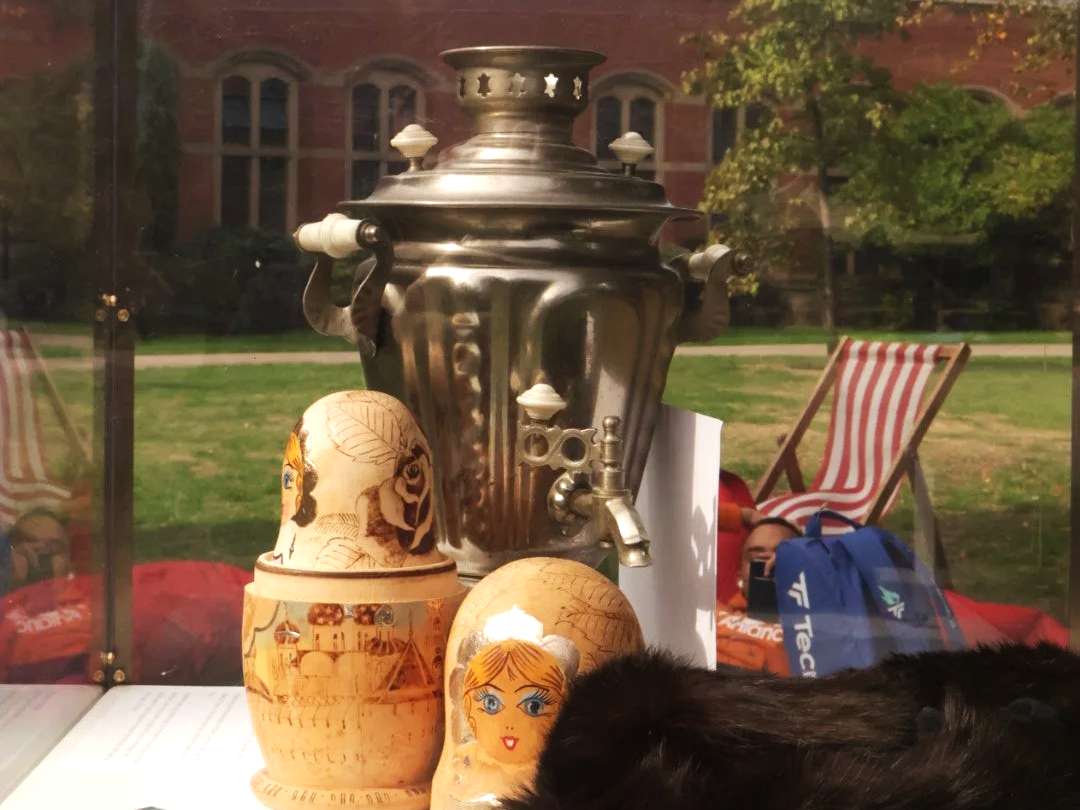
...I Wasn’t!
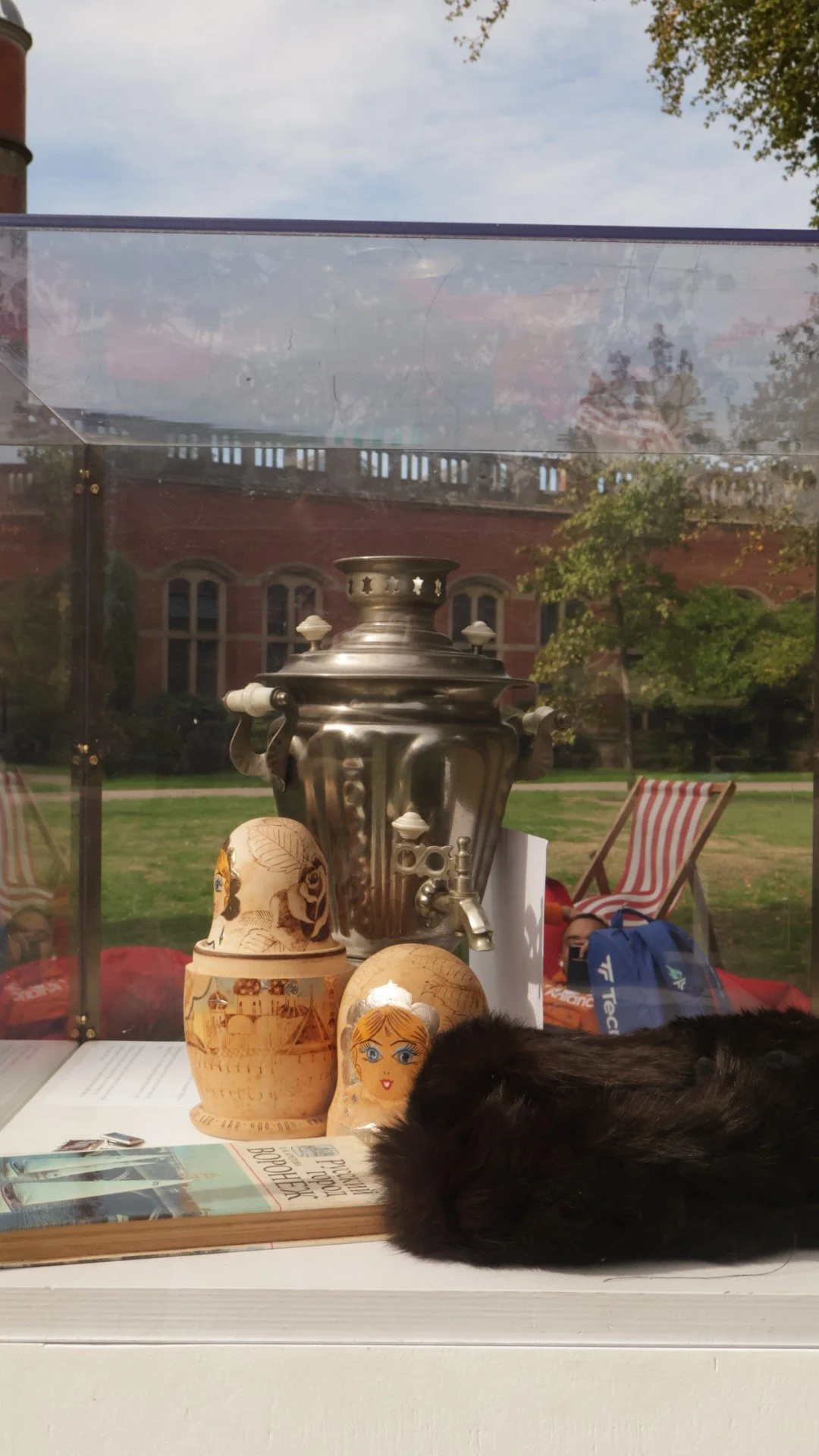
Souvenirs from Graham’s time in Russia
I was the first one from the University of Birmingham to go for an exchange year to Russia in 1979. A lot of Oxbridge students and I lived in the Russian city called Voronezh.
It was in the middle of the Cold War, so ever since then, I often get asked, ‘Were you a spy?’... I wasn’t!
Nobody openly asked the same question in the Soviet Union. But I knew I was once followed in Moscow - in a time before social media, when being followed was a bad thing.
We wanted to learn and practice Russian, but there were strict travel rules for people in the Soviet Union, so they couldn’t complete their part of the exchange. The students wanted to practice English all the time with me; that’s why I didn’t learn as much Russian as I’d hoped.
-
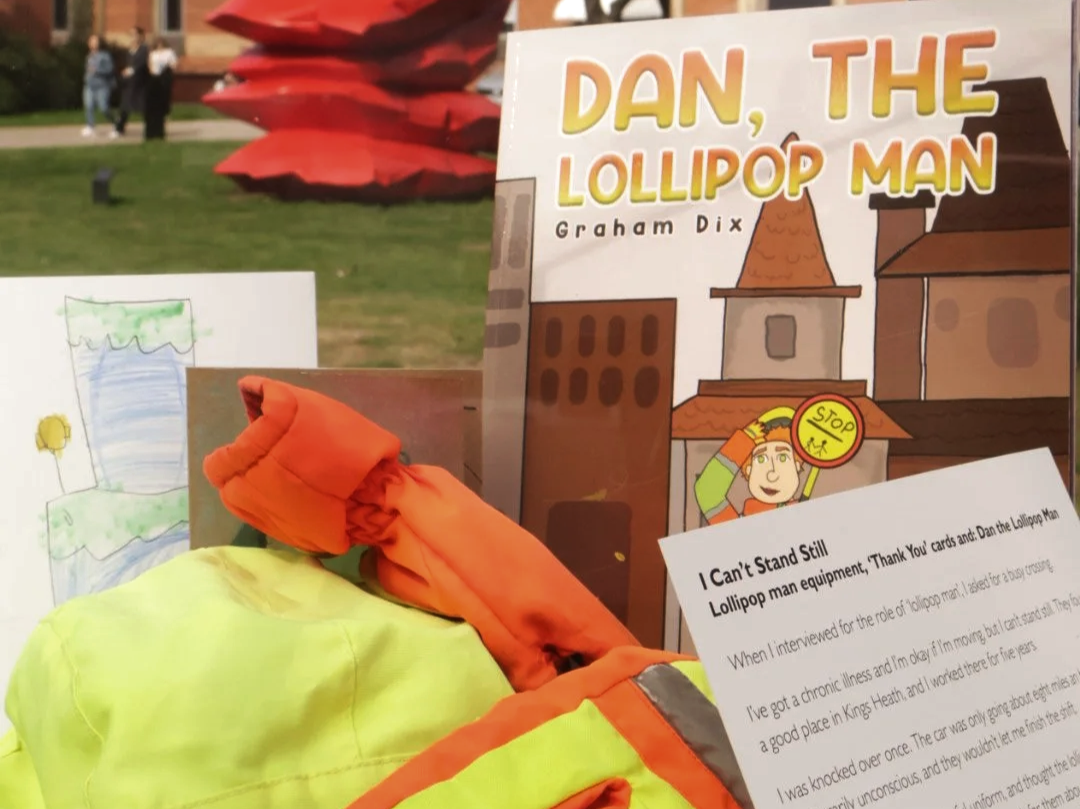
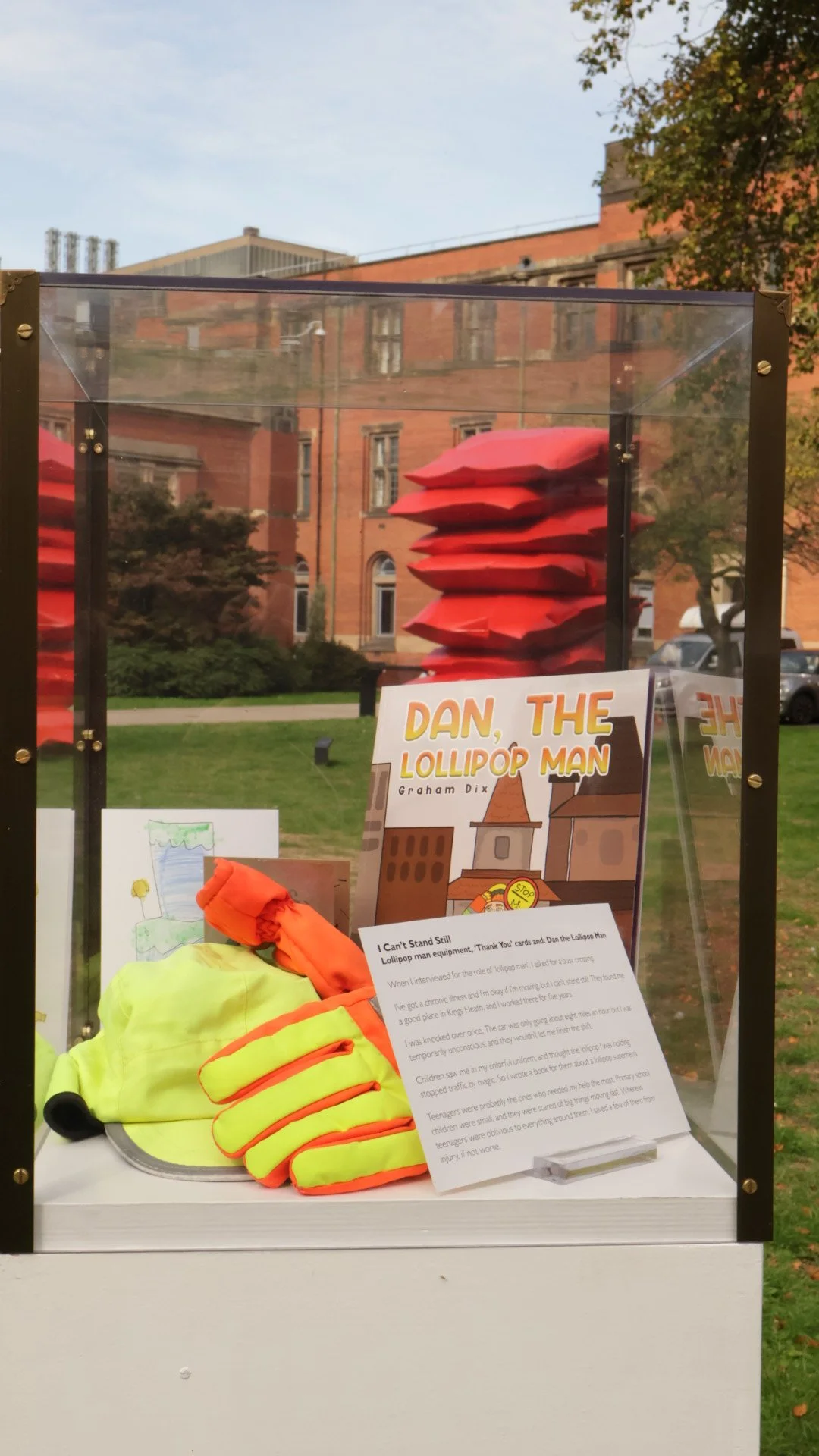
I Can’t Stand Still
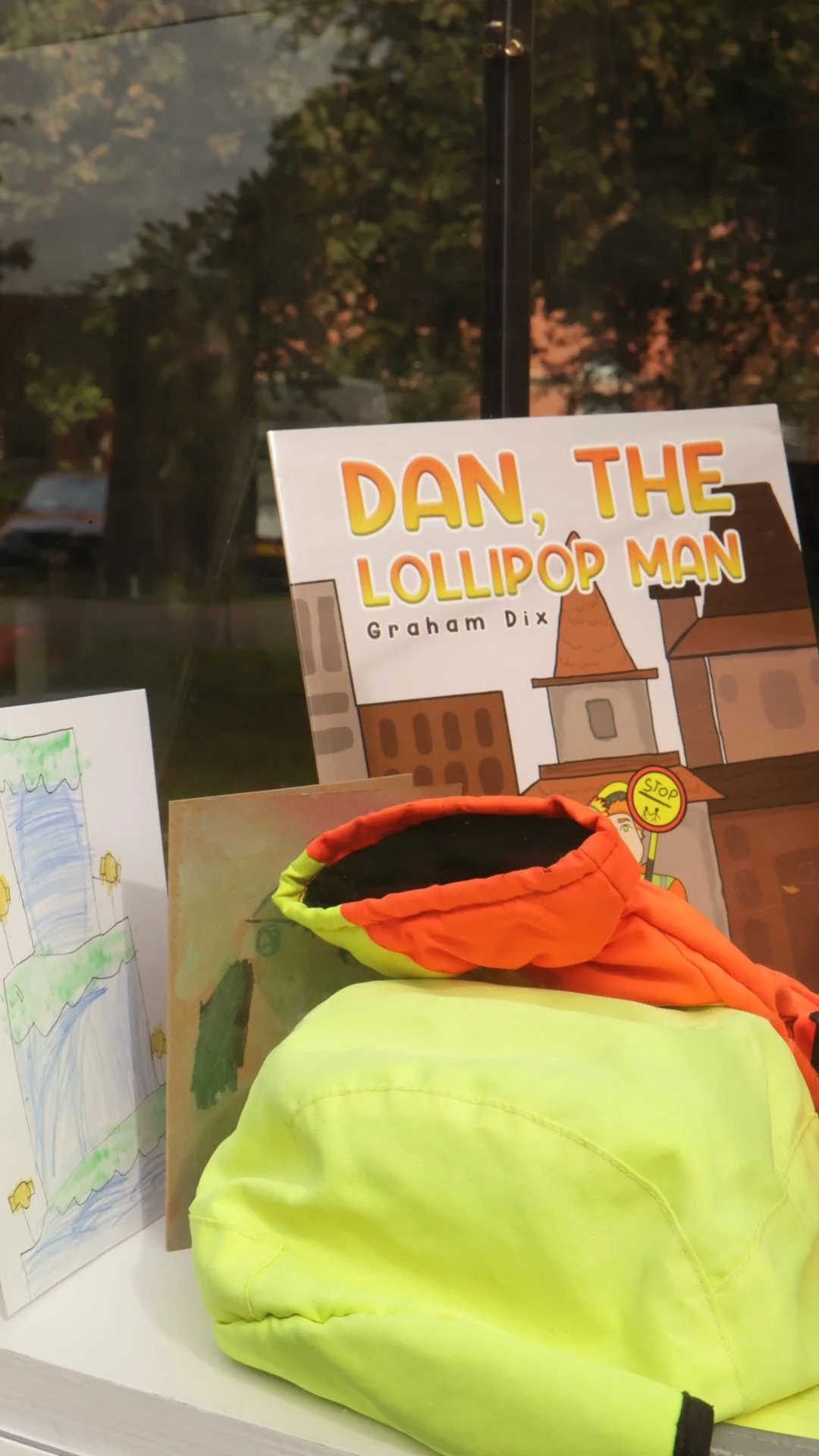
Lollipop man equipment, ‘Thank You’ cards and: Dan the Lollipop Man
When I interviewed for the role of ‘lollipop man’, I asked for a busy crossing.
I’ve got a chronic illness and I’m okay if I’m moving, but I can’t stand still. They found me a good place in Kings Heath, and I worked there for five years.
I was knocked over once. The car was only going about eight miles an hour, but I was temporarily unconscious, and they wouldn’t let me finish the shift.
Children saw me in my colorful uniform, and thought the lollipop I was holding stopped traffic by magic. So I wrote a book for them about a lollipop superhero.
Teenagers were probably the ones who needed my help the most. Primary school children were small, and they were scared of big things moving fast. Whereas teenagers were oblivious to everything around them. I saved a few of them from injury, if not worse.
-
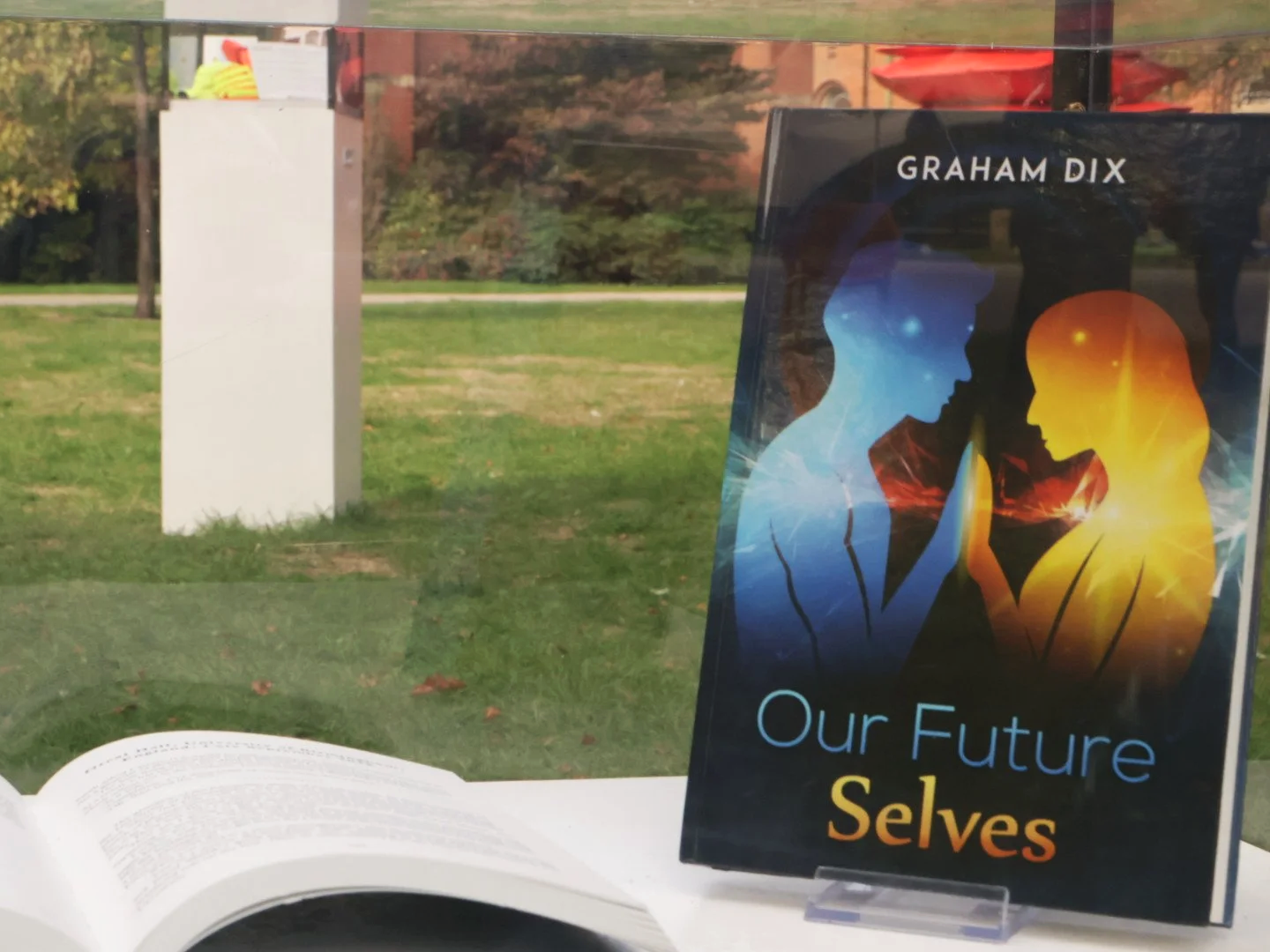
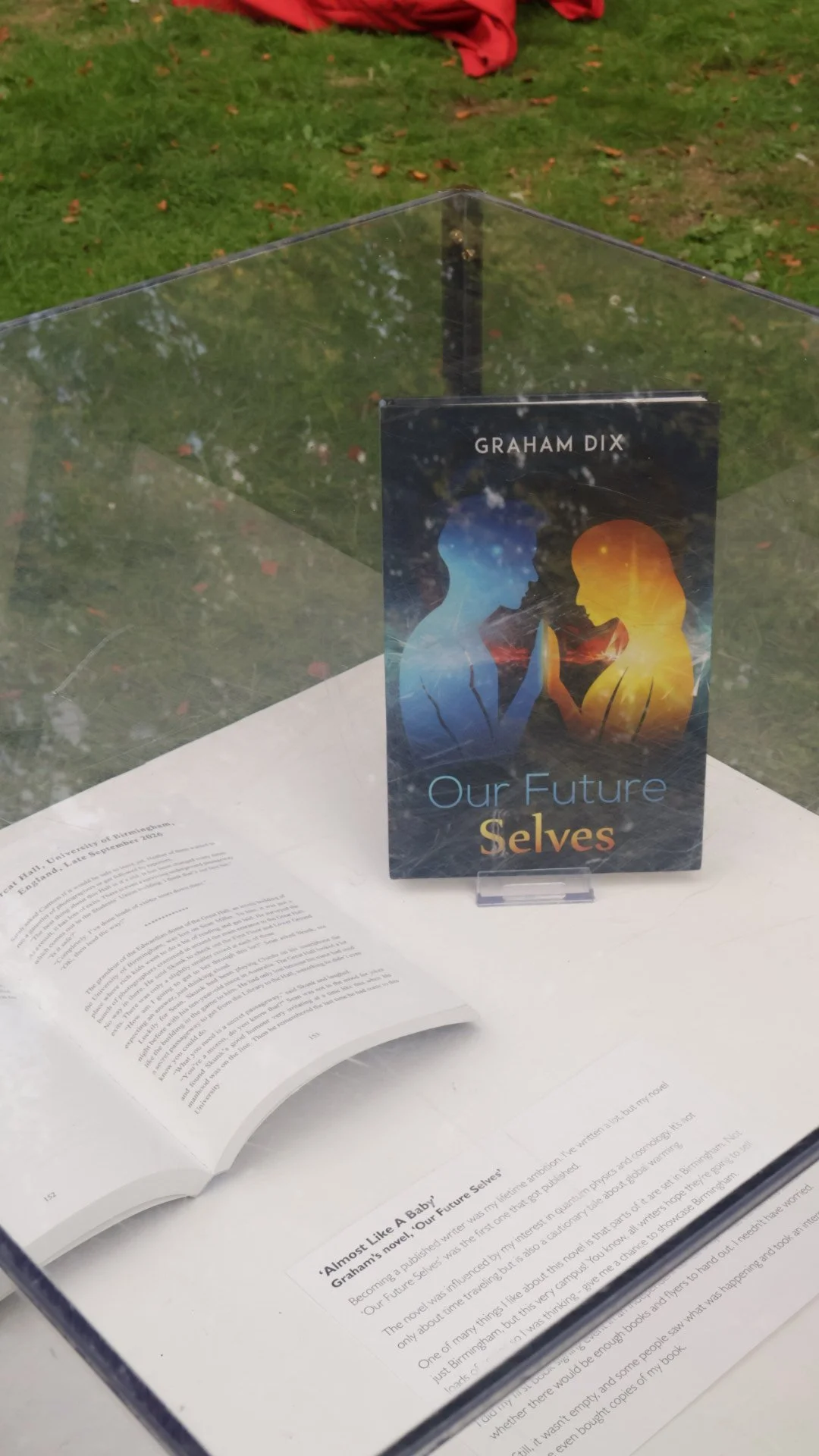
‘Almost Like A Baby’
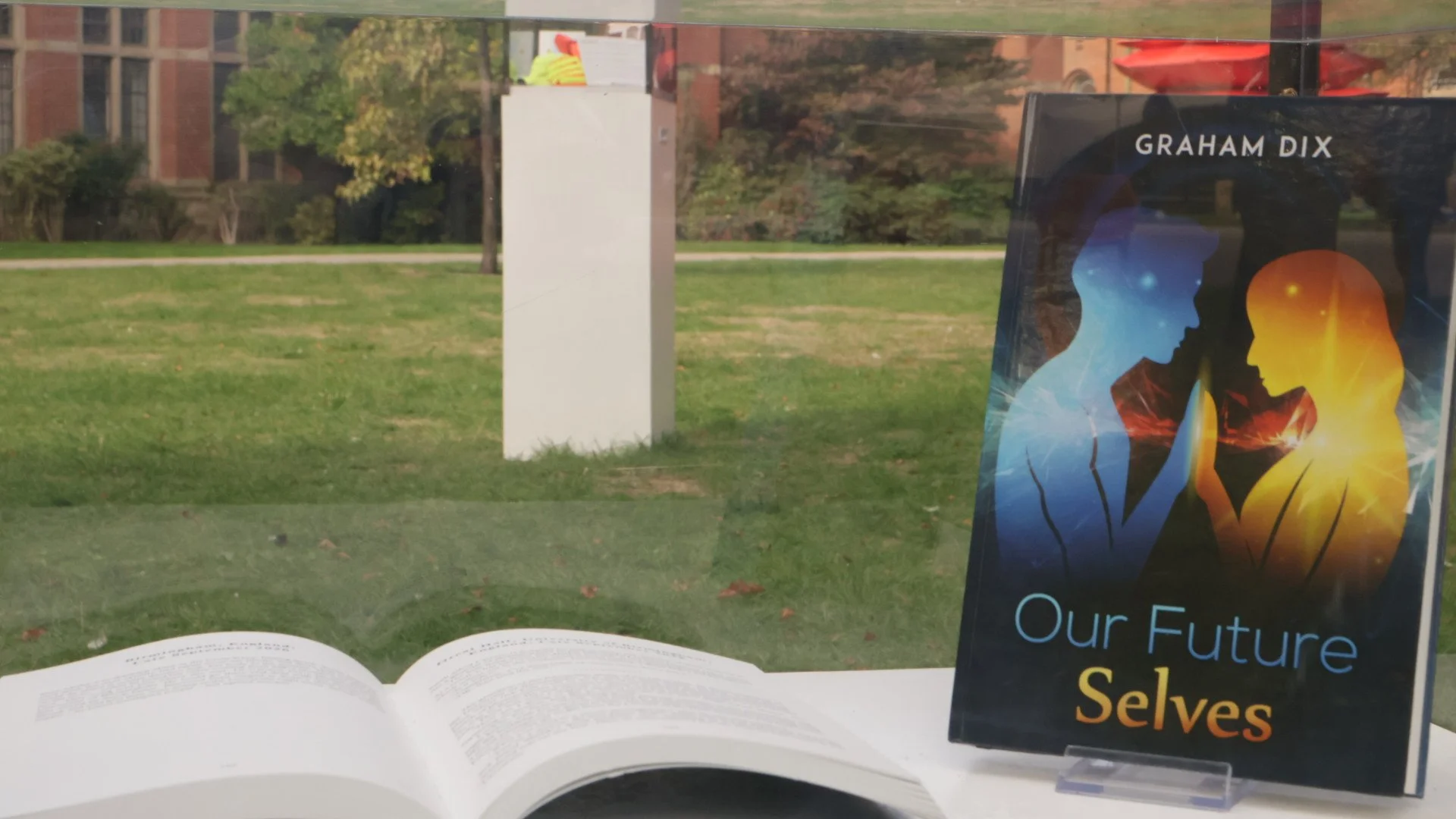
Graham’s novel, ‘Our Future Selves’
Becoming a published writer was my lifetime ambition. I’ve written a lot, but my novel ‘Our Future Selves’ was the first one that got published.
The novel was influenced by my interest in quantum physics and cosmology. It’s not only about time traveling but is also a cautionary tale about global warming.
One of many things I like about this novel is that parts of it are set in Birmingham. Not just Birmingham, but this very campus! You know, all writers hope they’re going to sell loads of copies so I was thinking - give me a chance to showcase Birmingham.
I did my first book signing event in an independent coffee shop. I was concerned about whether there would be enough books and flyers to hand out. I needn’t have worried.
Still, it wasn’t empty, and some people saw what was happening and took an interest. Some even bought copies of my book.
-
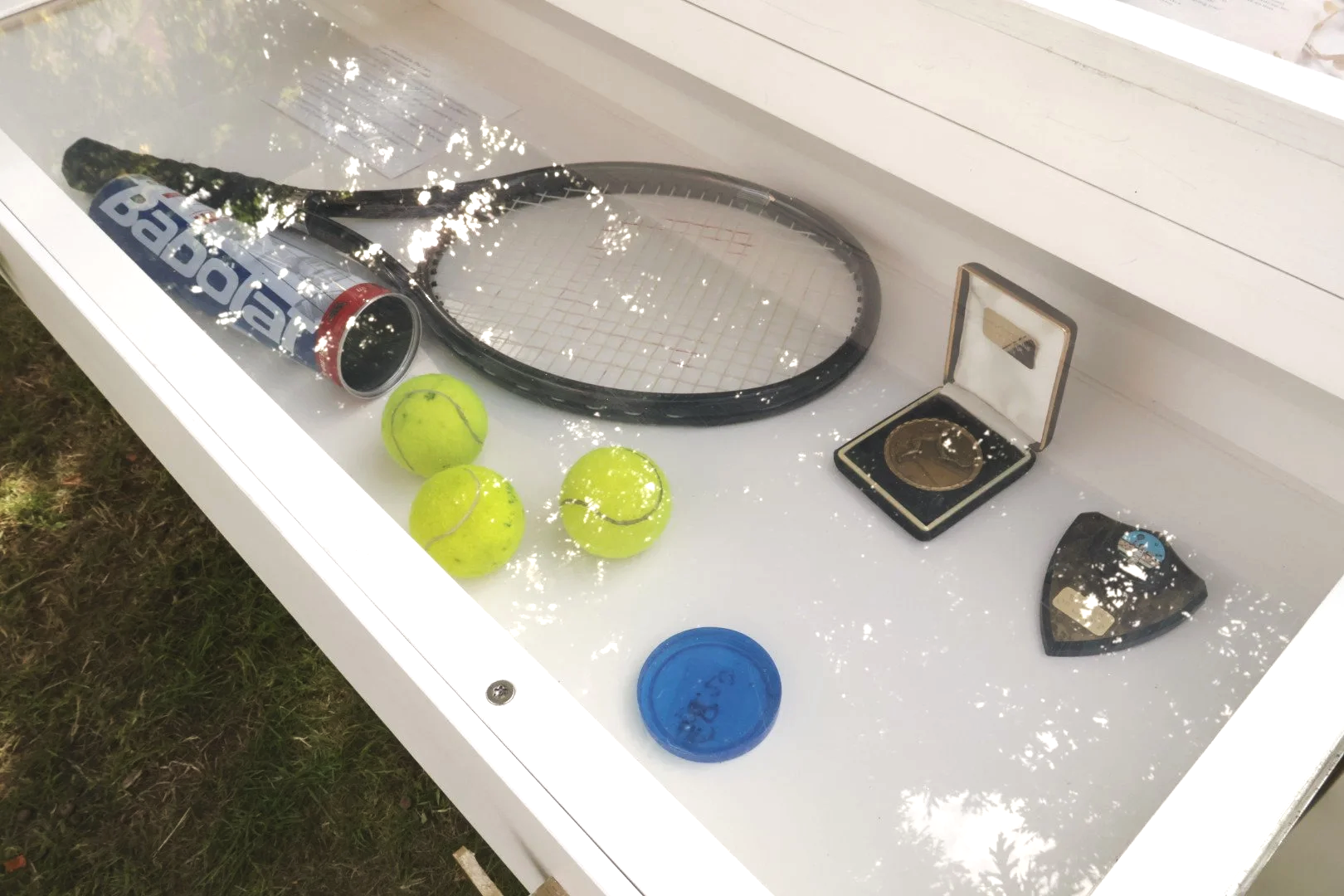
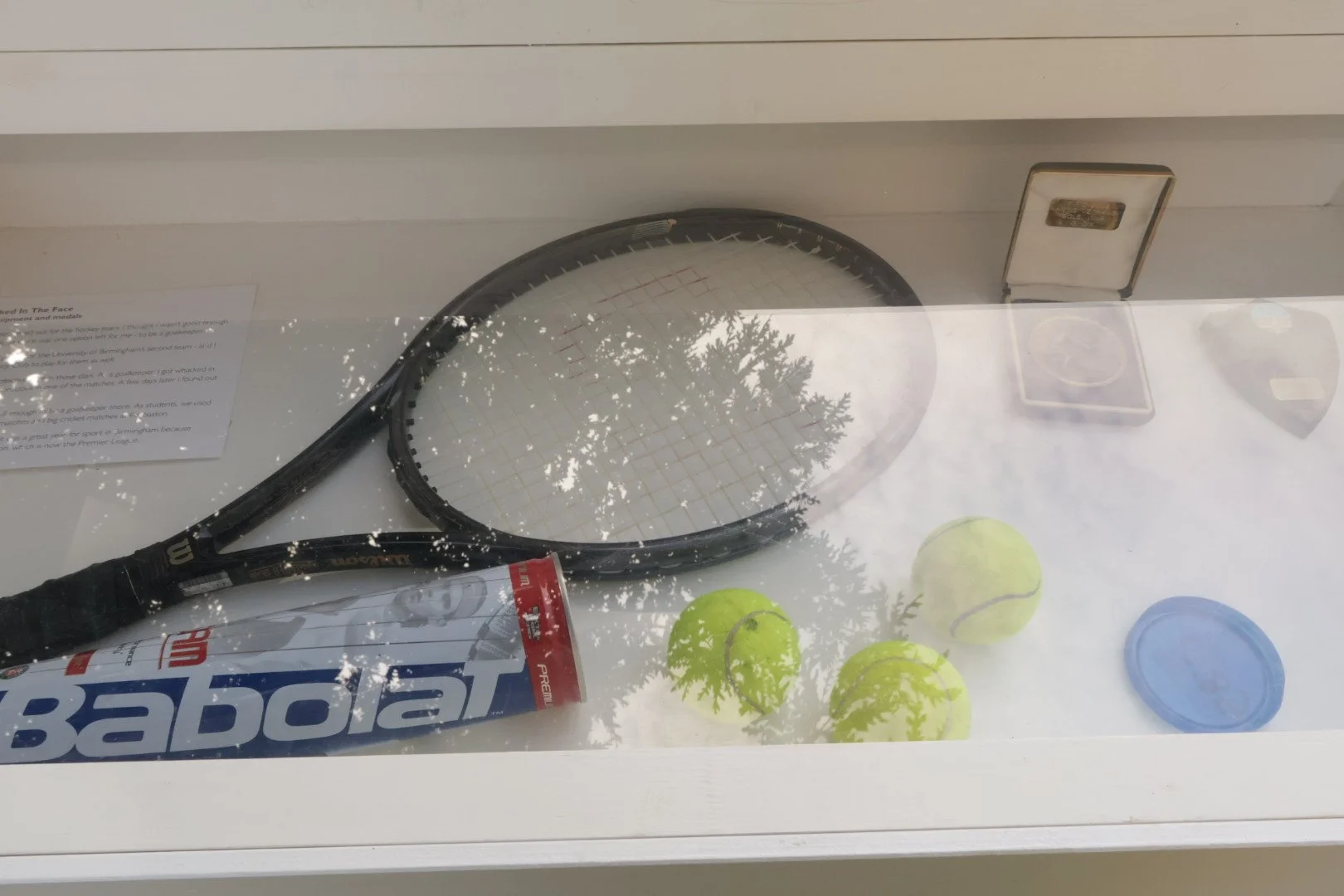
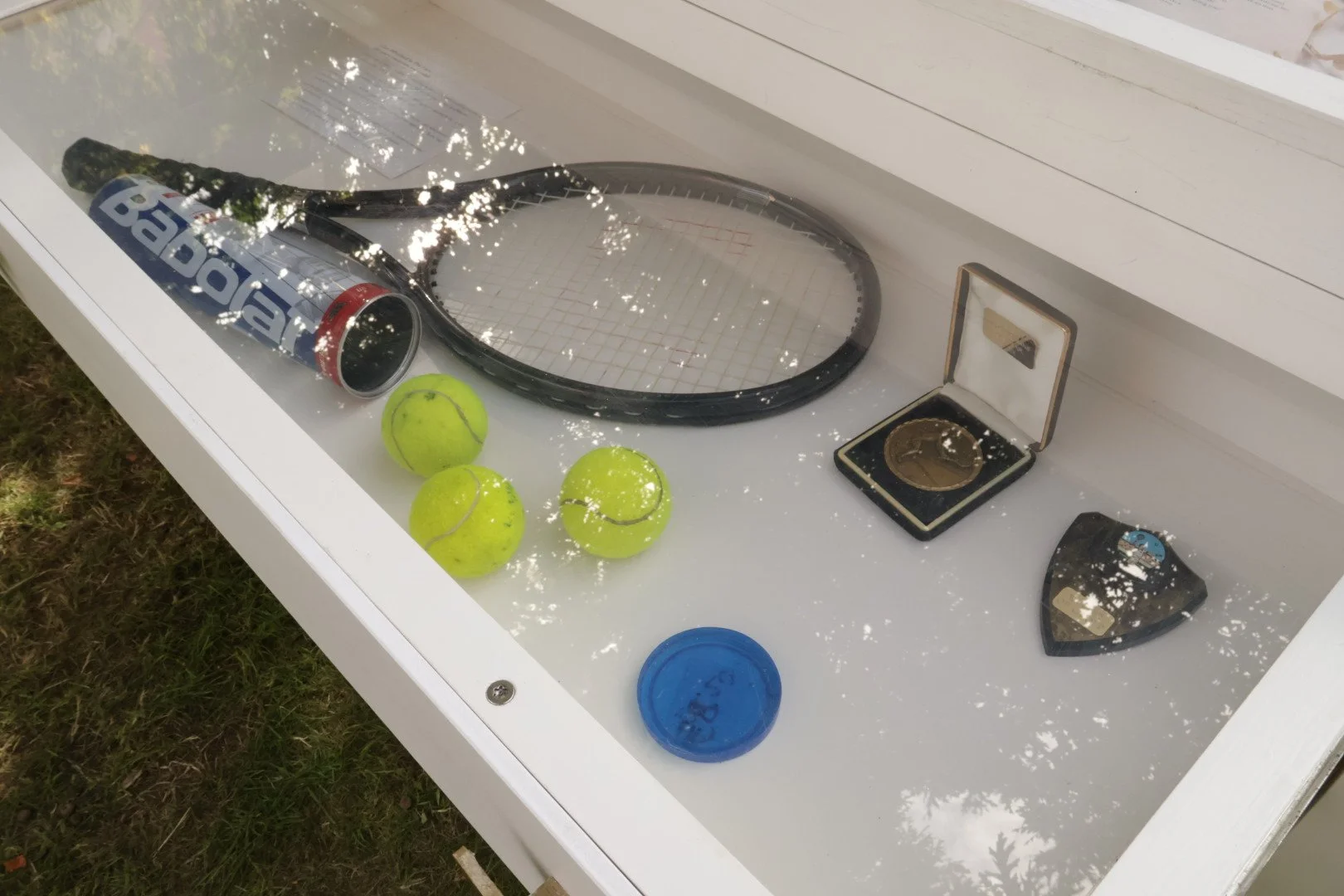
I Got Whacked In The Face
Old sports equipment and medals
While I was a fresher, I tried out for the hockey team. I thought I wasn’t good enough to use a hockey stick, so there was one option left for me - to be a goalkeeper.
I played quite a lot of games for the University of Birmingham’s second team - and I joined Harborne Hockey Club to play for them as well.
We didn’t have good protective gear in those days. As a goalkeeper, I got whacked in the face and knocked unconscious in one of the matches. A few days later I found out my nose was broken.
I love football, but I wasn’t tall enough to be a goalkeeper there. As students, we used to go to Aston Villa football matches and big cricket matches at Edgbaston.
In 1981, my graduation year - it was a great year for sport in Birmingham because Aston Villa won the First Division, which is now the Premier League.
-
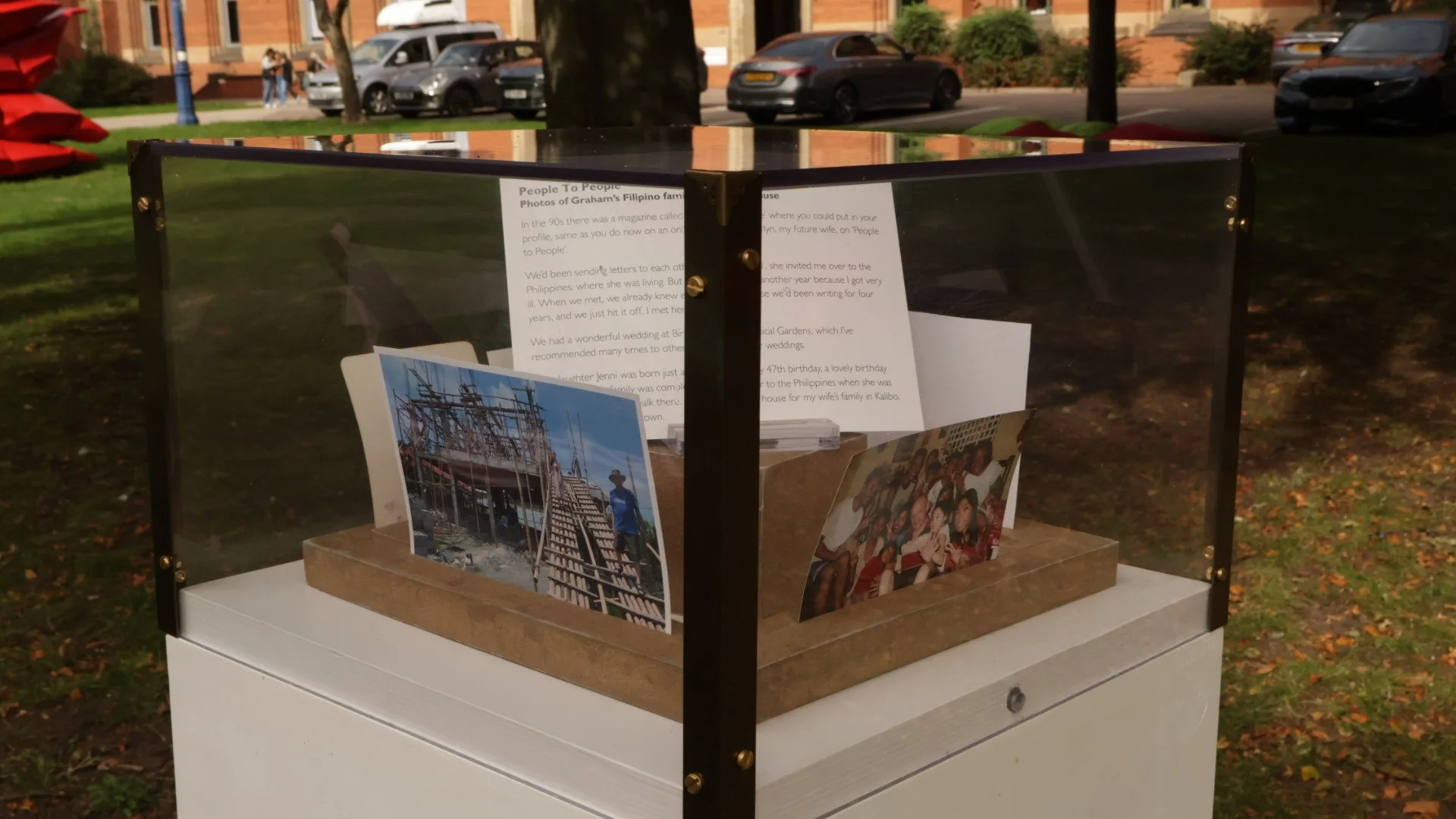
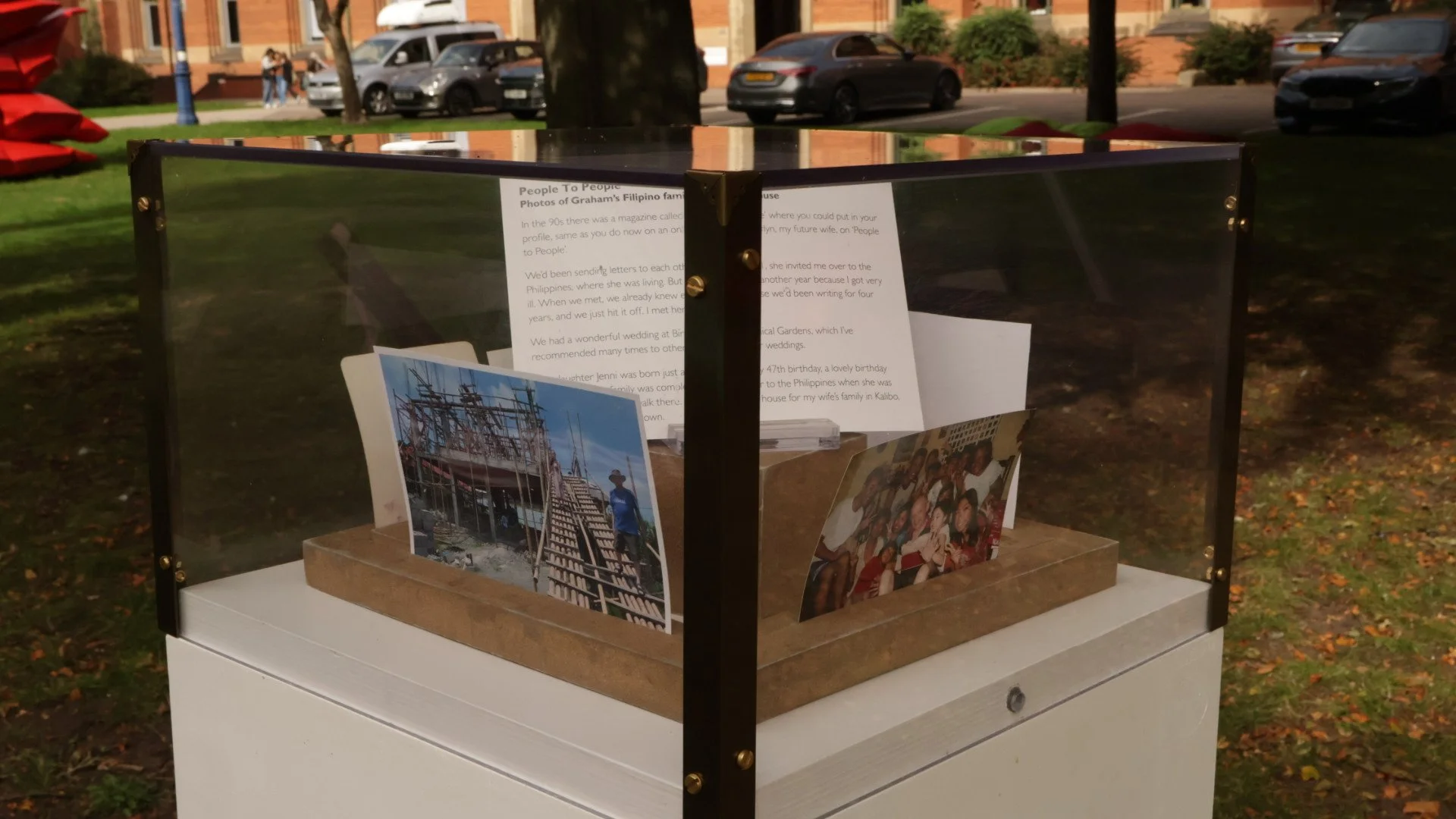
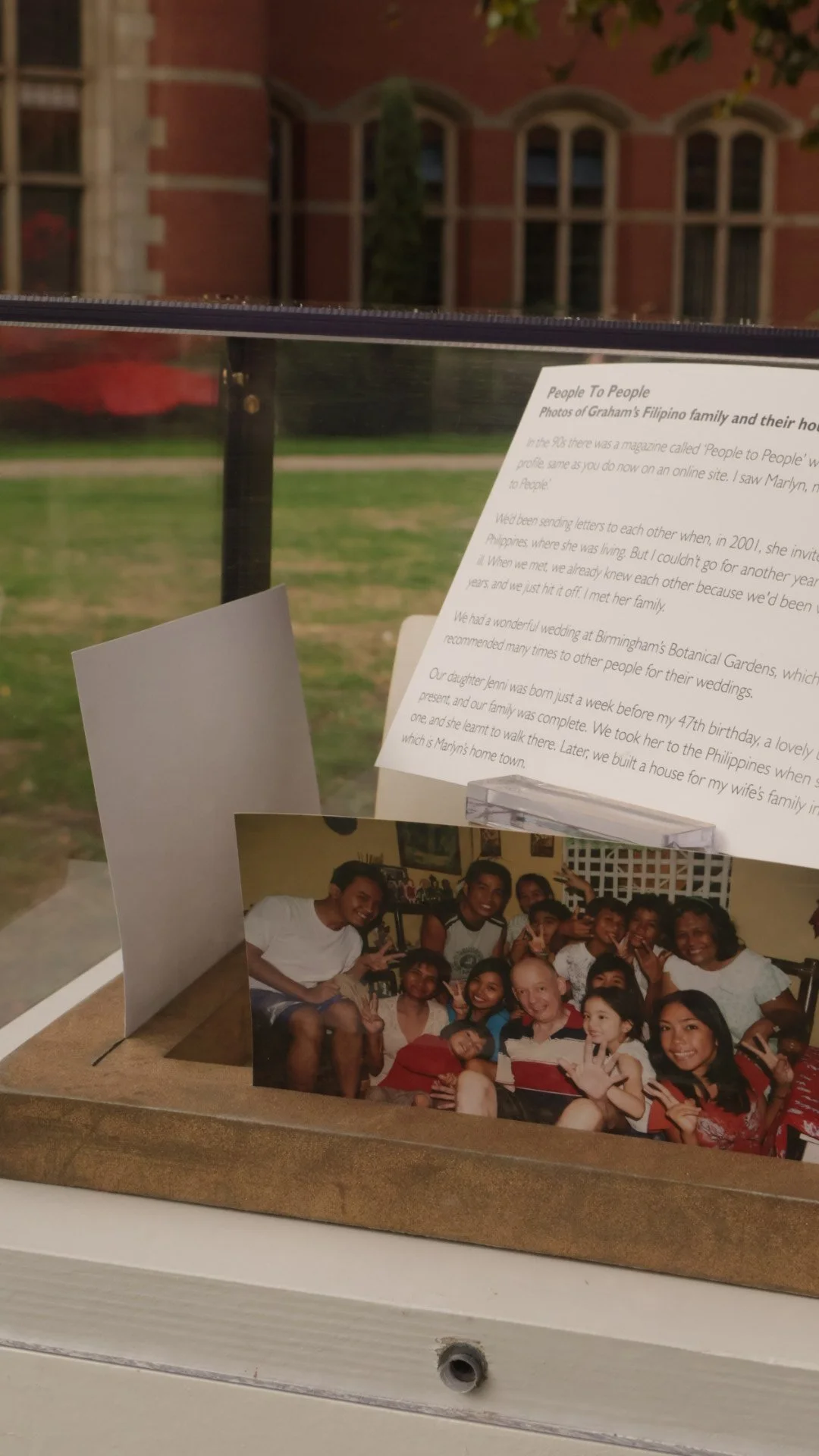
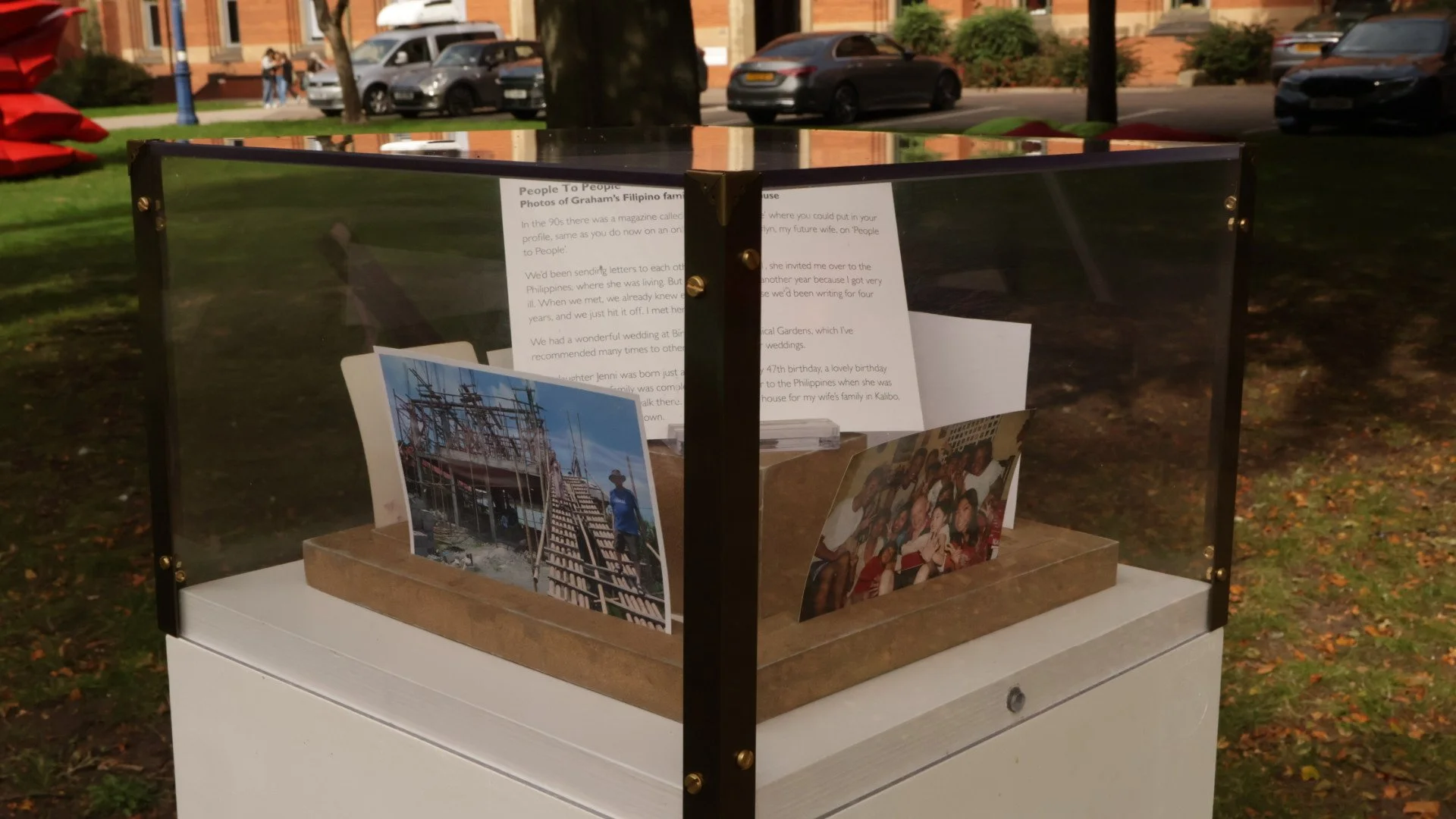
People To People
Photos of Graham’s Filipino family and their house
In the 90s there was a magazine called ‘People to People’ where you could put in your profile, same as you do now on an online site. I saw Marlyn, my future wife, on ‘People to People’.
We’d been sending letters to each other when, in 2001, she invited me over to the Philippines, where she was living. But I couldn’t go for another year because I got very ill. When we met, we already knew each other because we'd been writing for four years, and we just hit it off. I met her family.
We had a wonderful wedding at Birmingham’s Botanical Gardens, which I’ve recommended many times to other people for their weddings.
Our daughter Jenni was born just a week before my 47th birthday, a lovely birthday present, and our family was complete. We took her to the Philippines when she was one, and she learnt to walk there. Later, we built a house for my wife’s family in Kalibo, which is Marlyn’s home town.
-
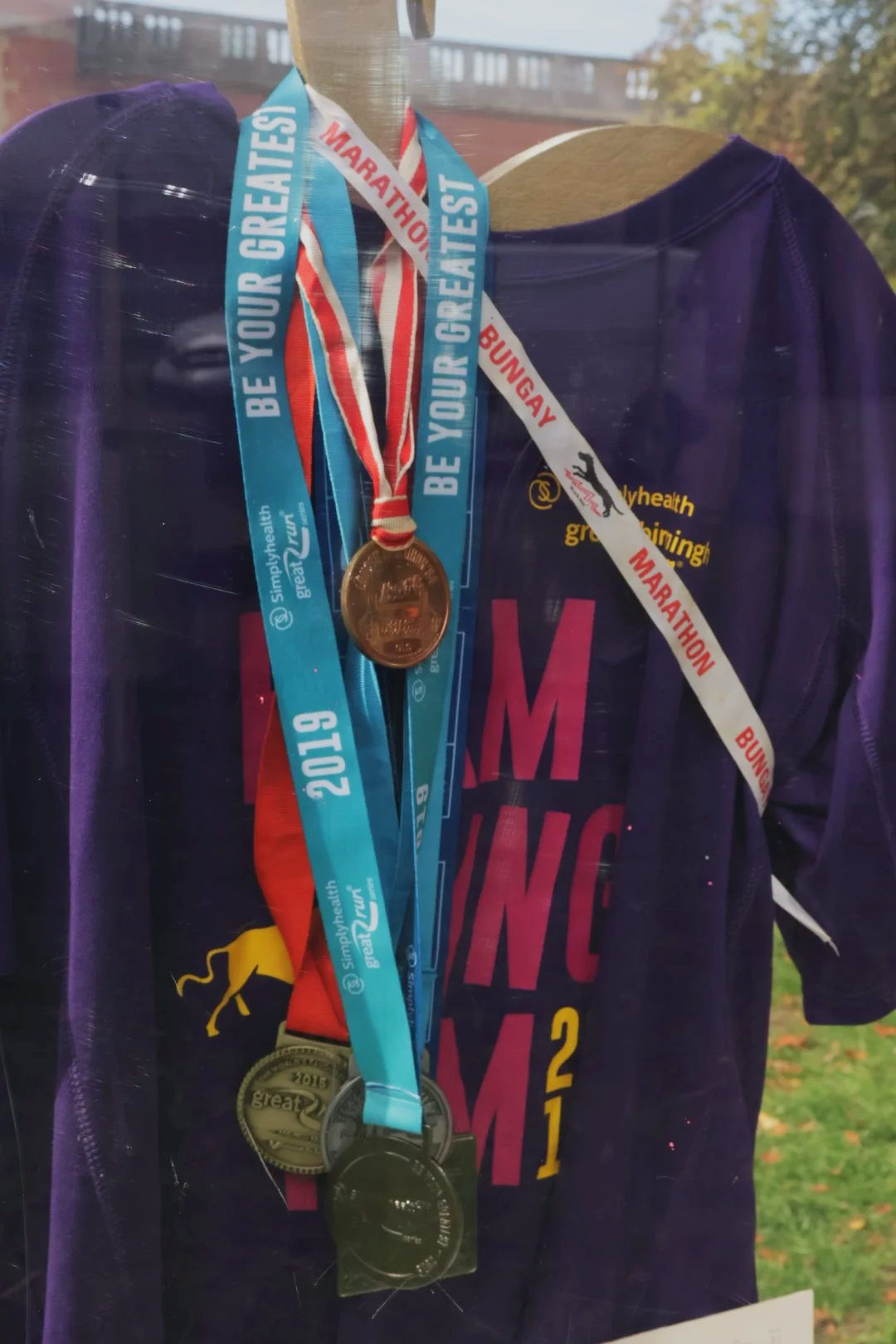
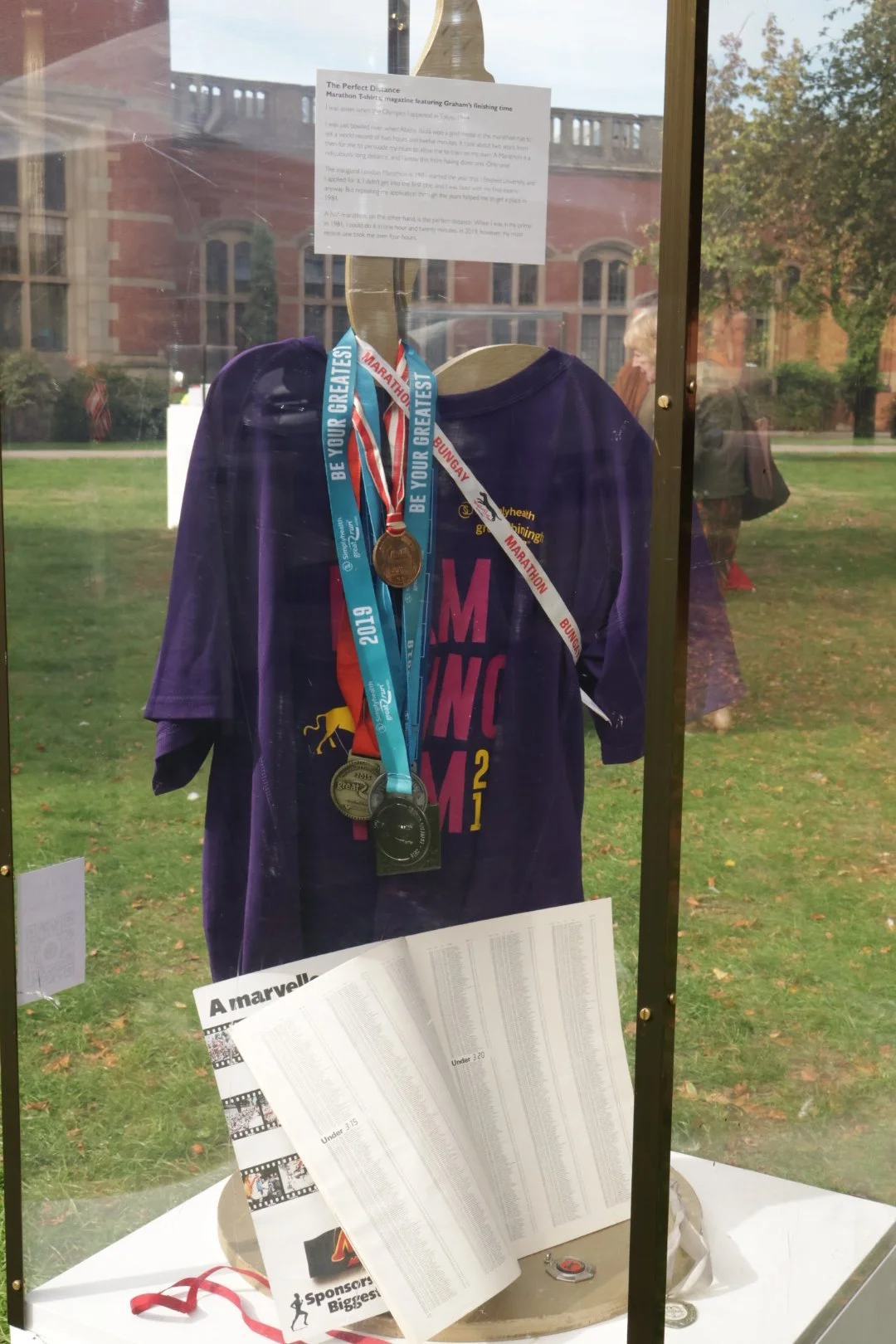
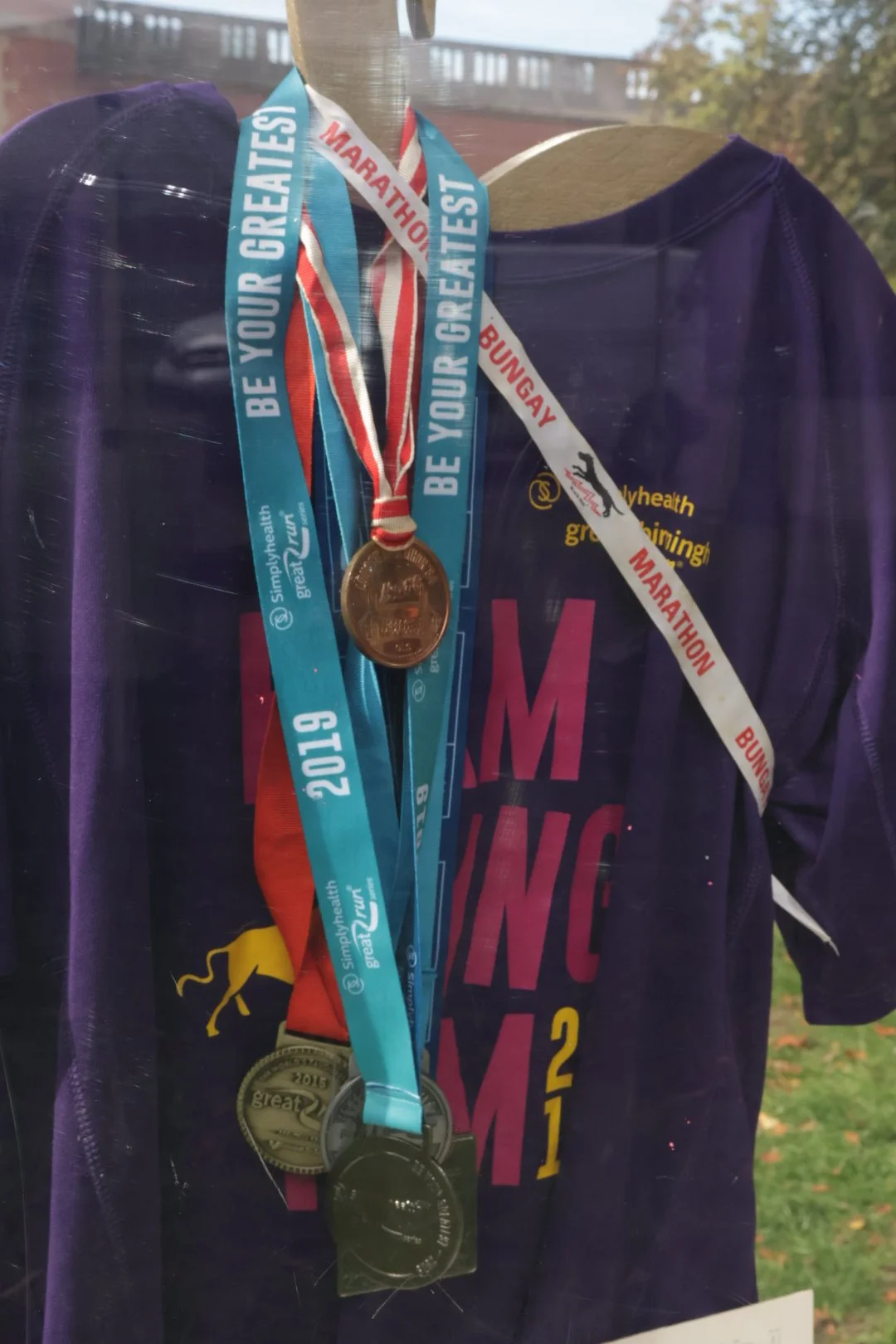
The Perfect Distance
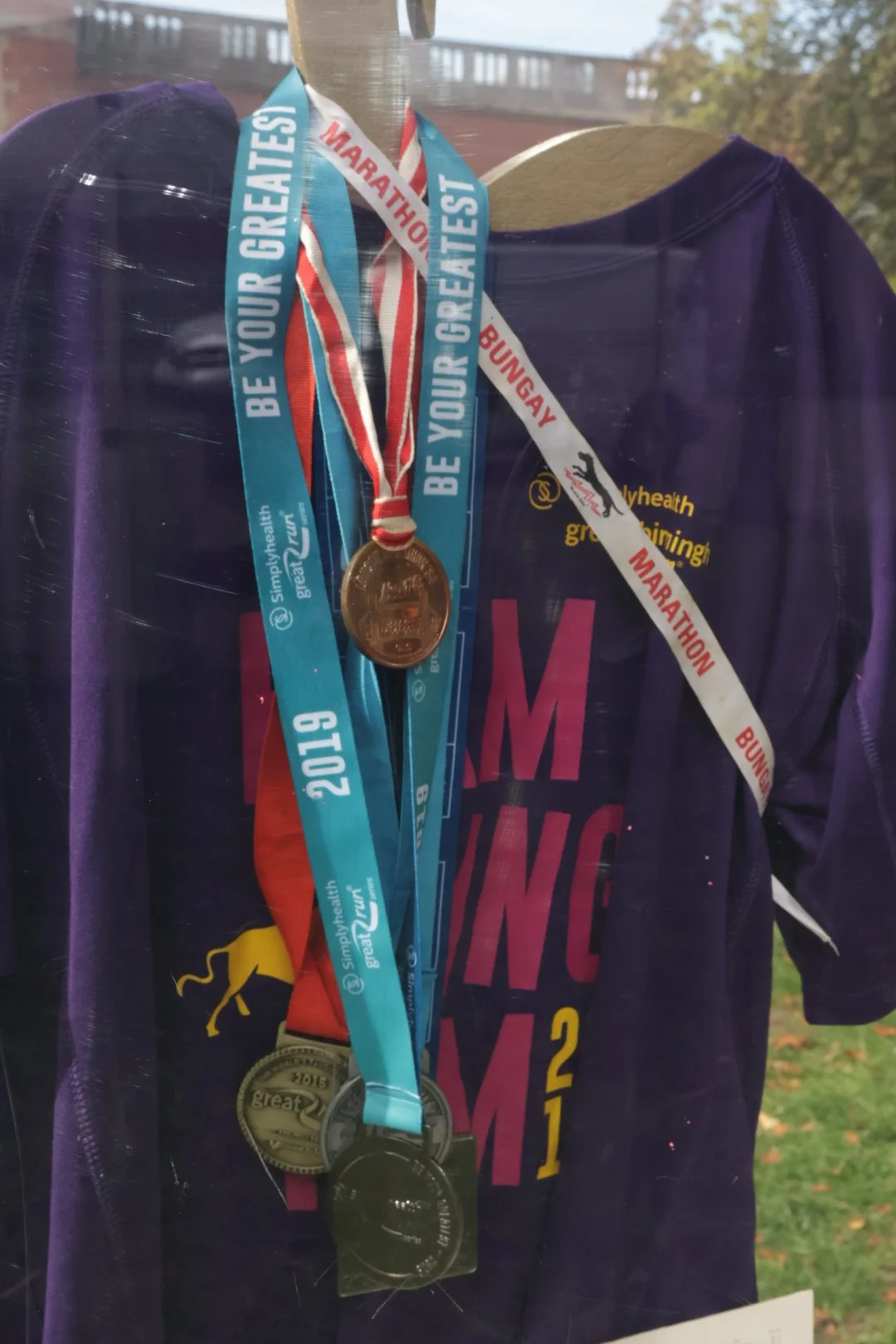
Marathon T-shirts, magazine featuring Graham’s finishing time
I was seven when the Olympics happened in Tokyo, 1964.
I was just bowled over when Abebe Bikila won a gold medal in the marathon run to set a world record of two hours and twelve minutes. It took about two years from then for me to persuade my mum to allow me to train on my own. A Marathon is a ridiculously long distance, and I know this from having done one. Only one!
The inaugural London Marathon in 1981 started the year that I finished university, and I applied for it. I didn’t get into the first one, and I was busy with my final exams anyway. But repeating my application through the years helped me to get a place in 1984.
A half-marathon, on the other hand, is the perfect distance. When I was in my prime in 1981, I could do it in one hour and twenty minutes. In 2019, however, my most recent one took me over four hours.
-
Do NOT Sympathise With The Protagonist
A selection of pieces written during Graham’s career at UoB
I’ve worked at both Birmingham City University and the University of Birmingham. Here, I worked in the Baykov Library, in the Center for Russian and East European Studies and I was taking an interest in people’s research topics and helping them find extra material.
During these times - women’s rights marches were publicly taking place and there was a-lot of homophobia and misogyny in society. So, I wanted to write something feminist, a story where a male protagonist is not like-able.
I wrote a ghost story, where an abusive husband was punished by his dead wife. It won the UOB Staff Writing Competition in 1993.
But it also got a few negative reactions from other staff, people who said it was ‘sexist’ against men. I think some of that was because it was hard for some of them not to sympathise with the protagonist.
-
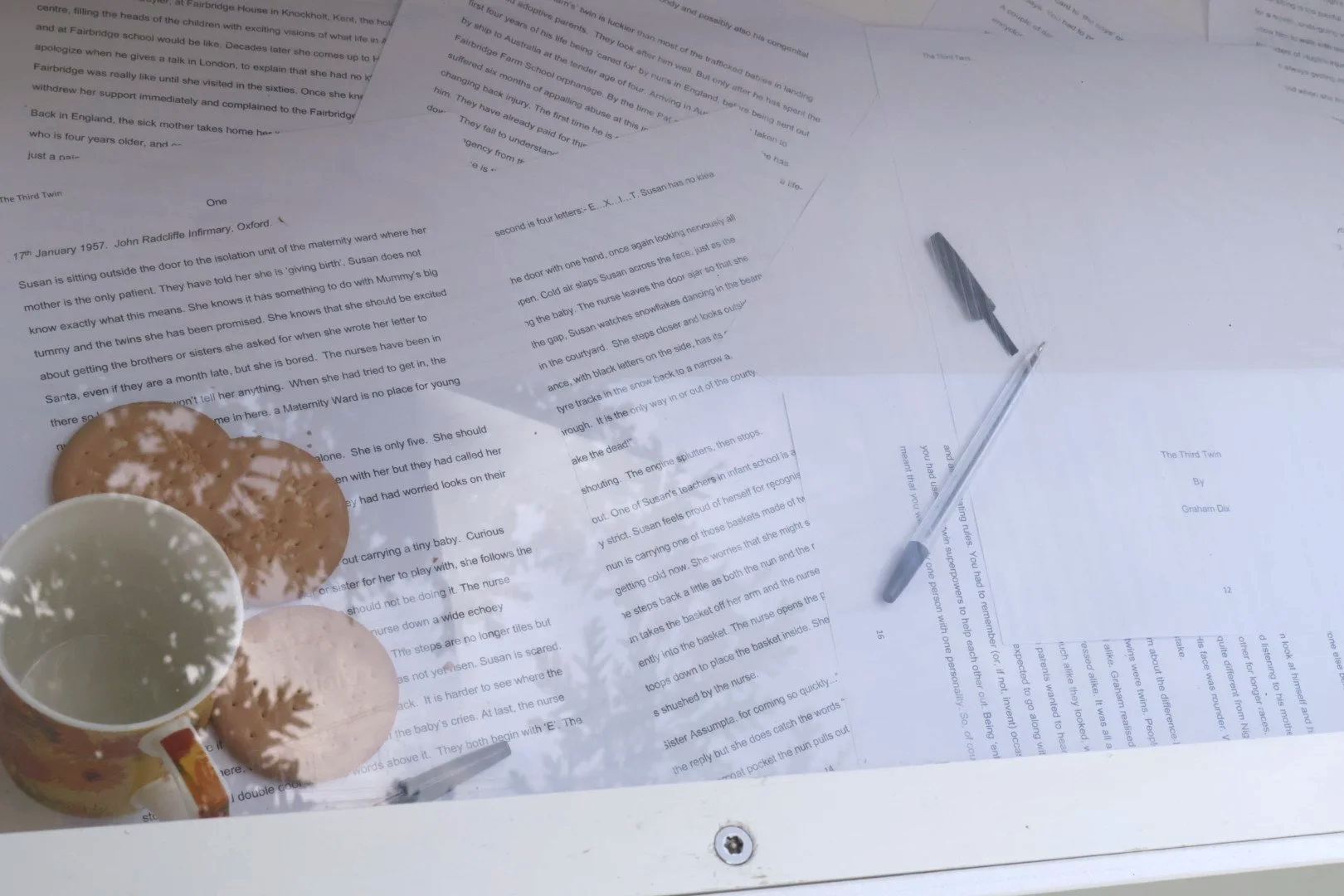
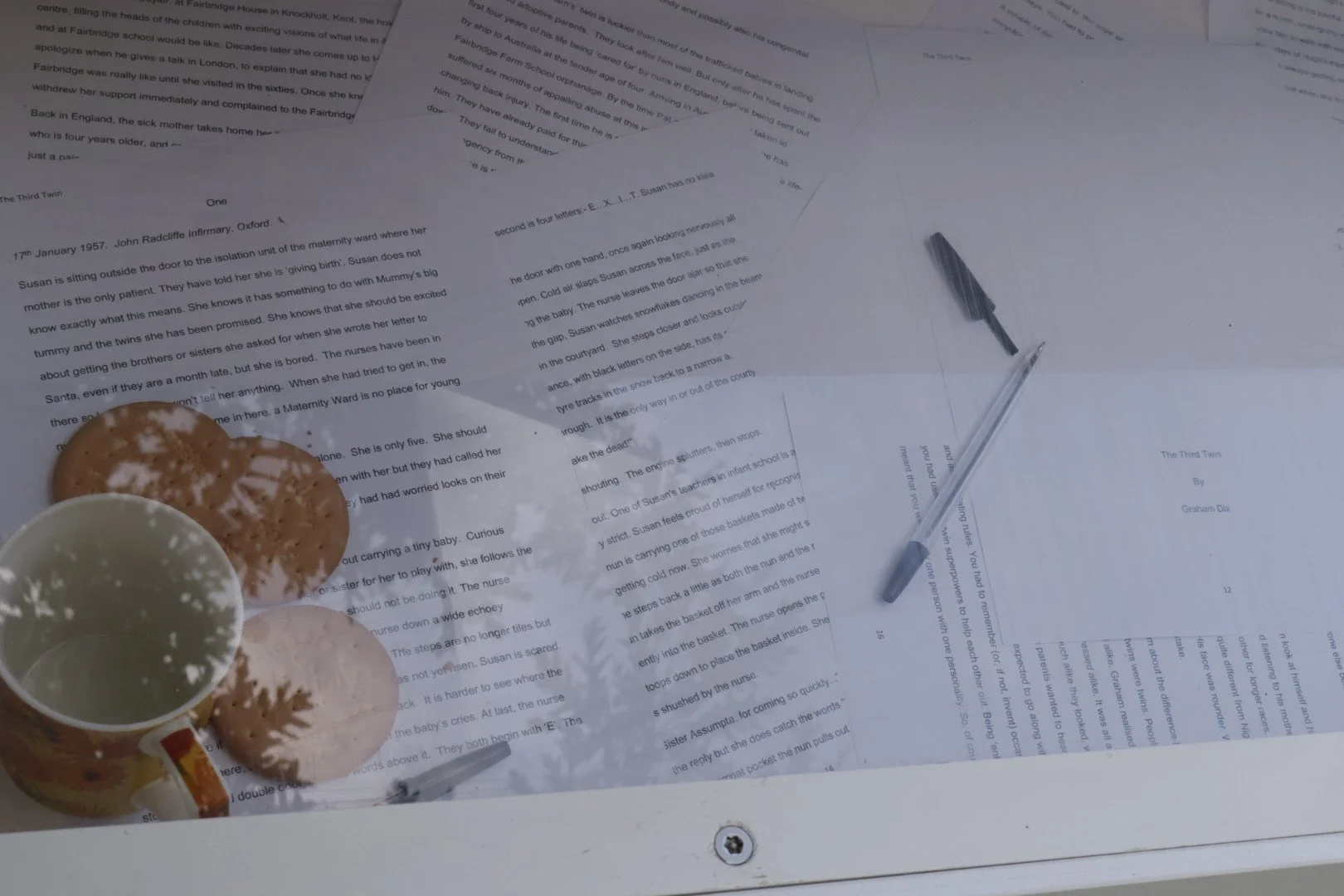
The Third Twin
Written notes on the new novel
My next novel is going to be very different.
It will be semi-autobiographical. I spent my first eighteen years thinking I was a twin. I have a wonderful twin brother (not identical) who lives in Wales. But, in our late teens we found out that we were triplets. My parents’ generation were very secretive about such things, and they didn’t want to share this with us earlier.
From books and films, I know that lots of children were shipped to Australia in the 50s, 60s and 70s.
People thought they were improving these children’s life chances, but in fact they were separating families. I believe I might have a living triplet somewhere. And my novel ‘The Third Twin’ is going to be about a search for a lost baby.

Image Gallery