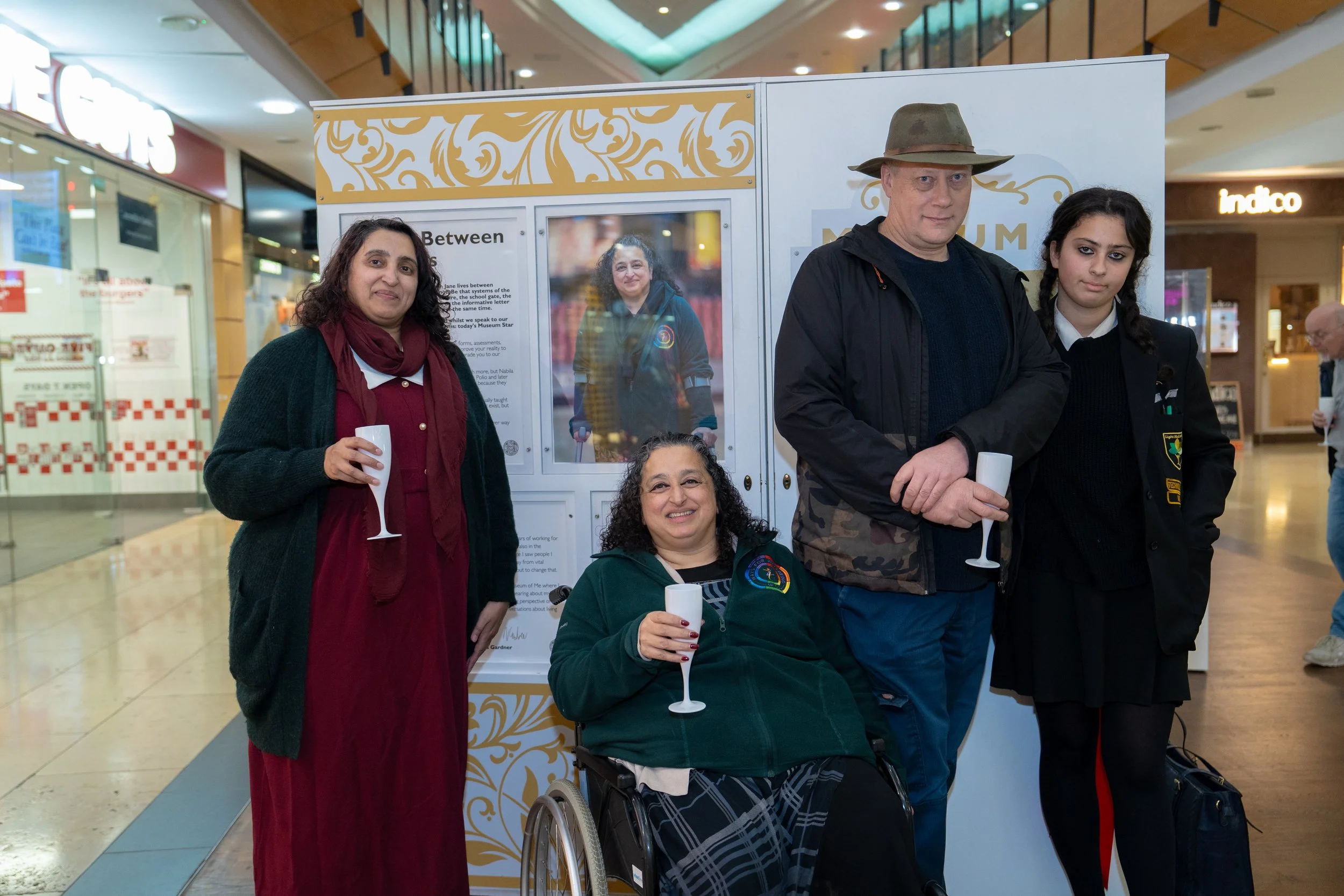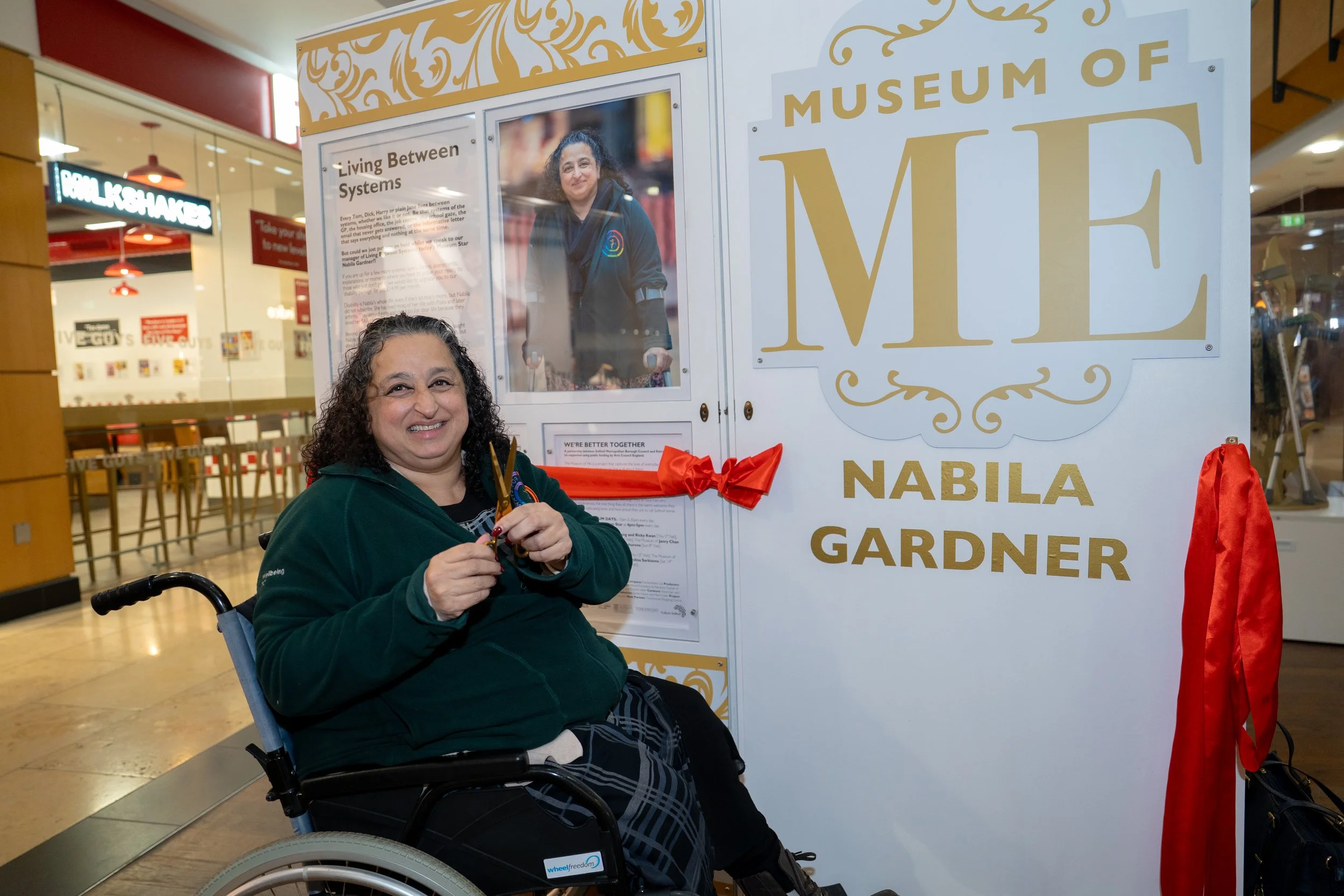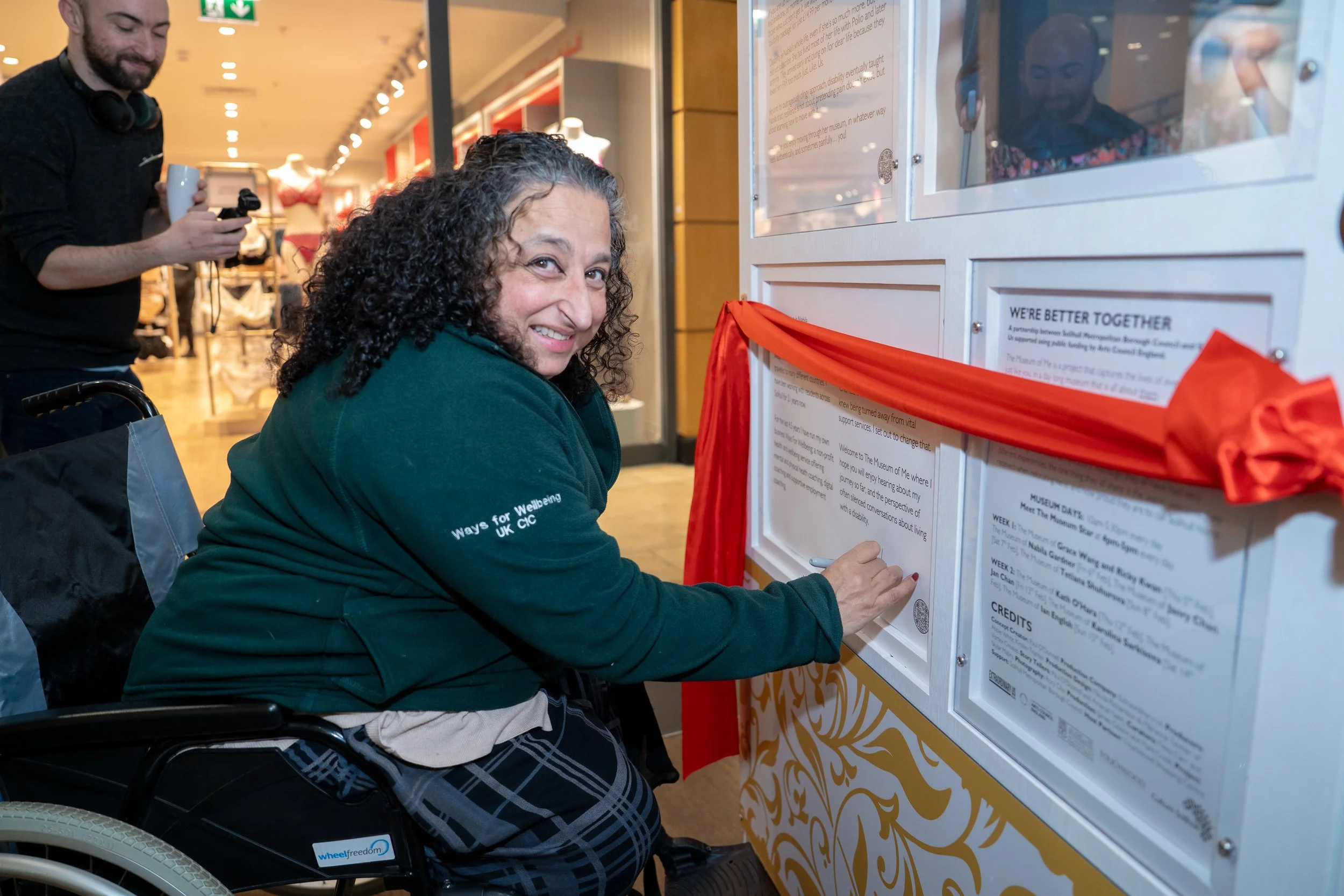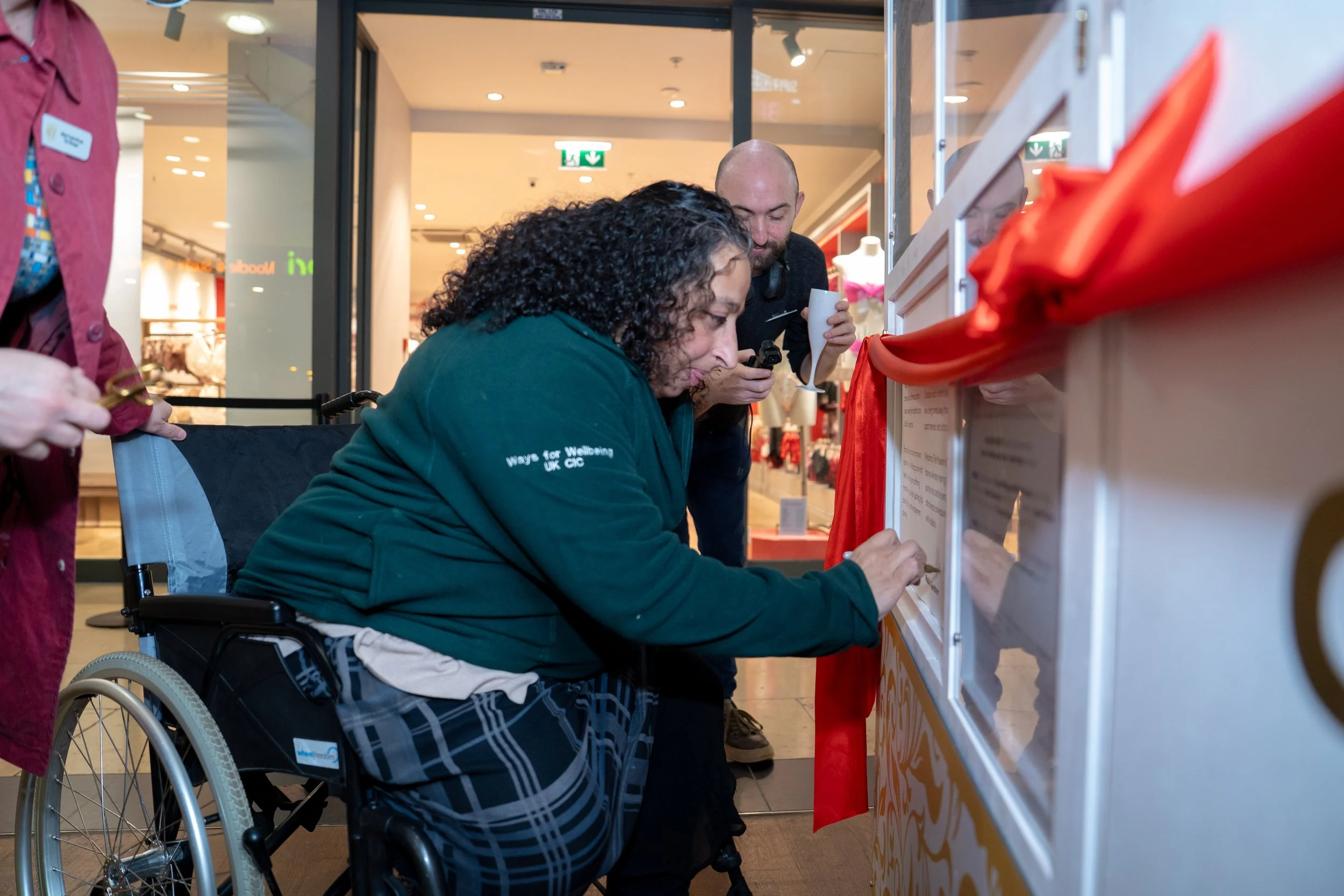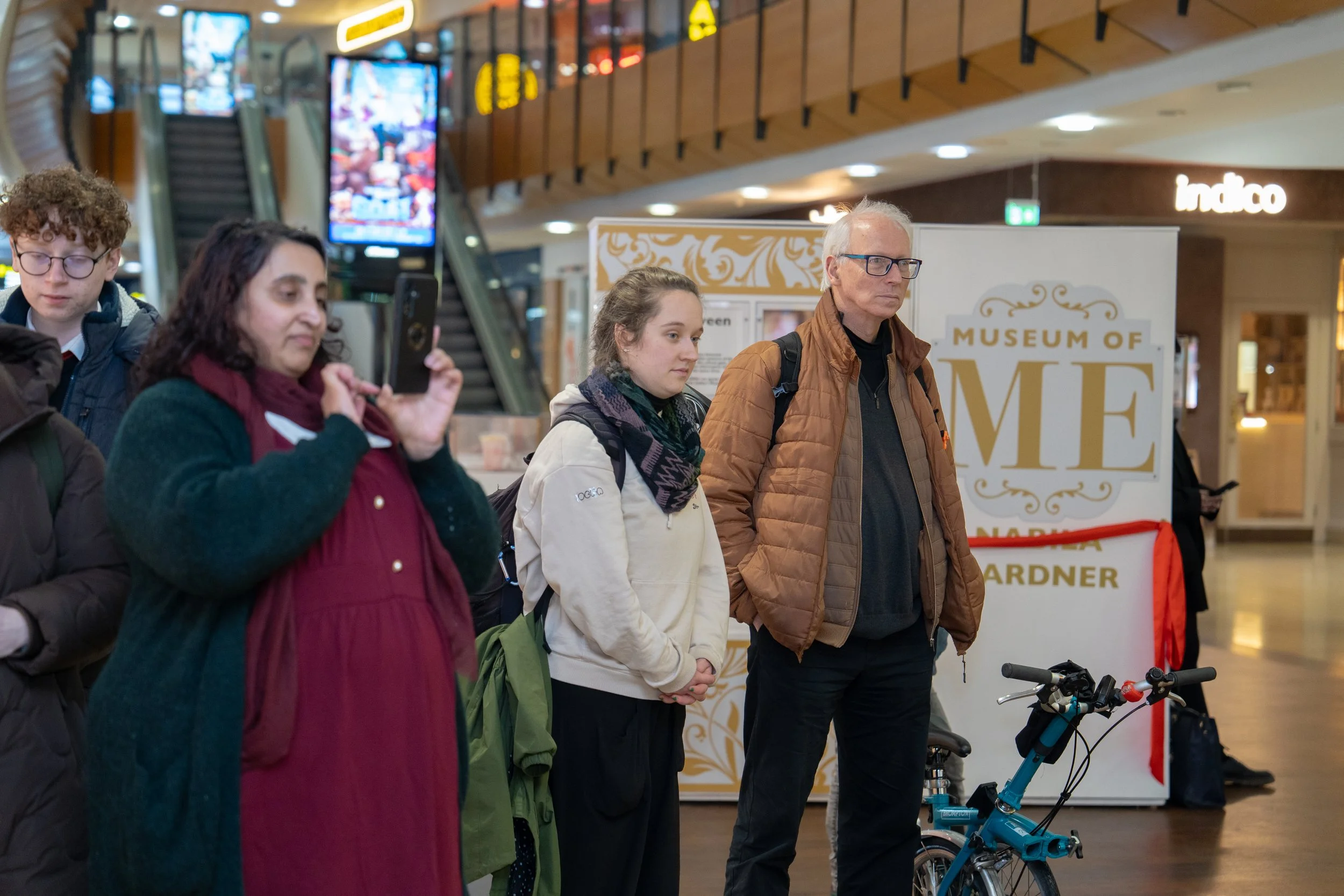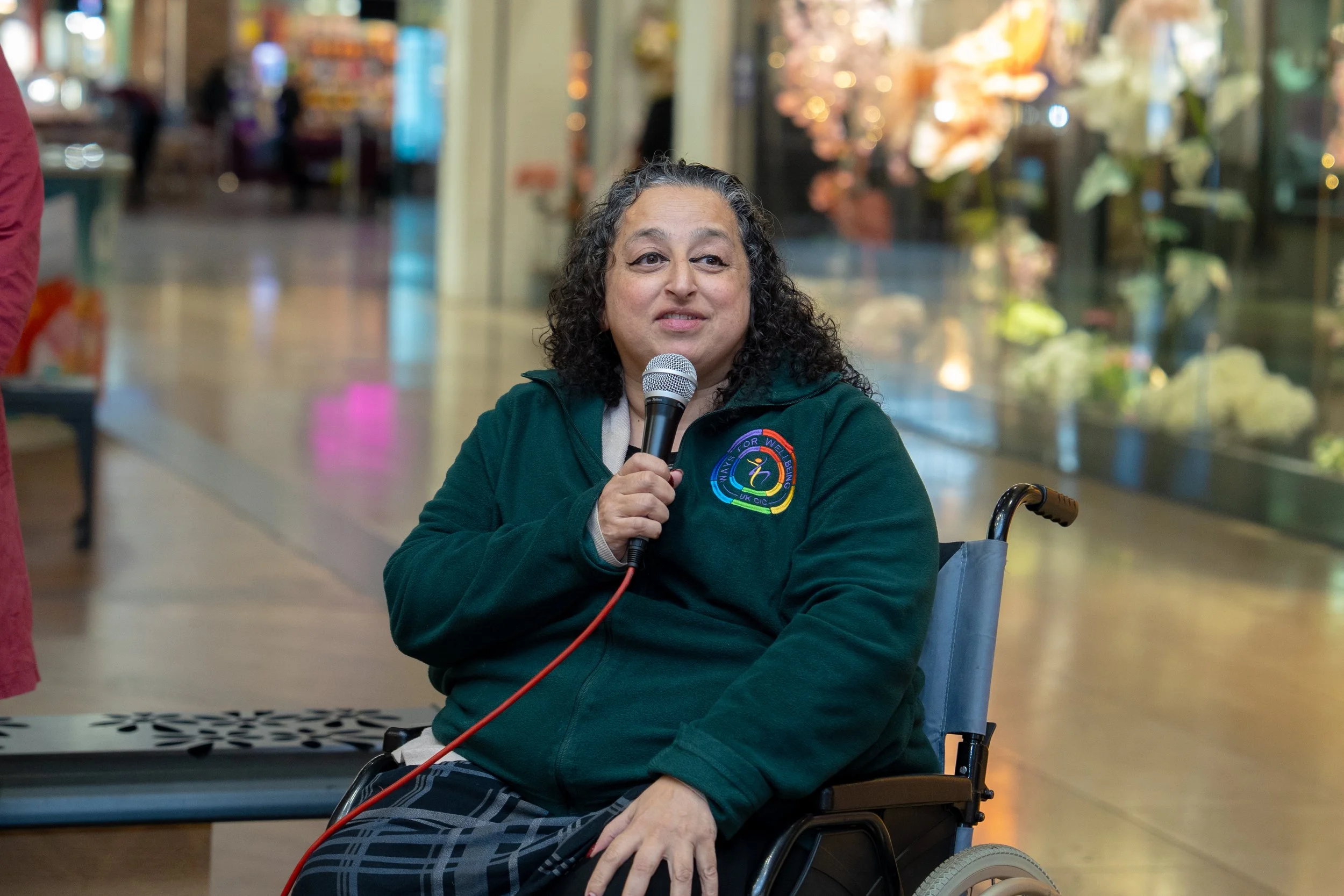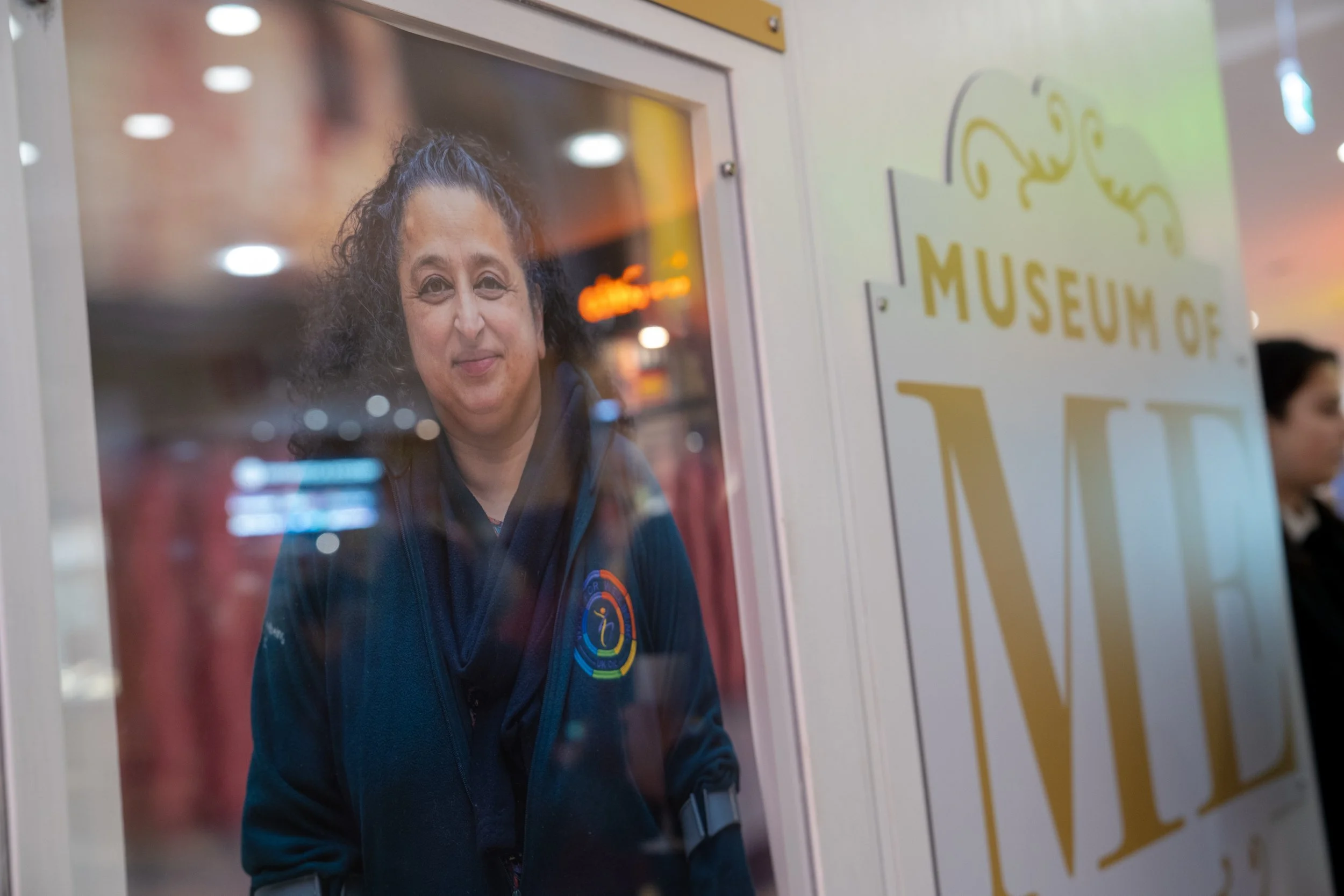
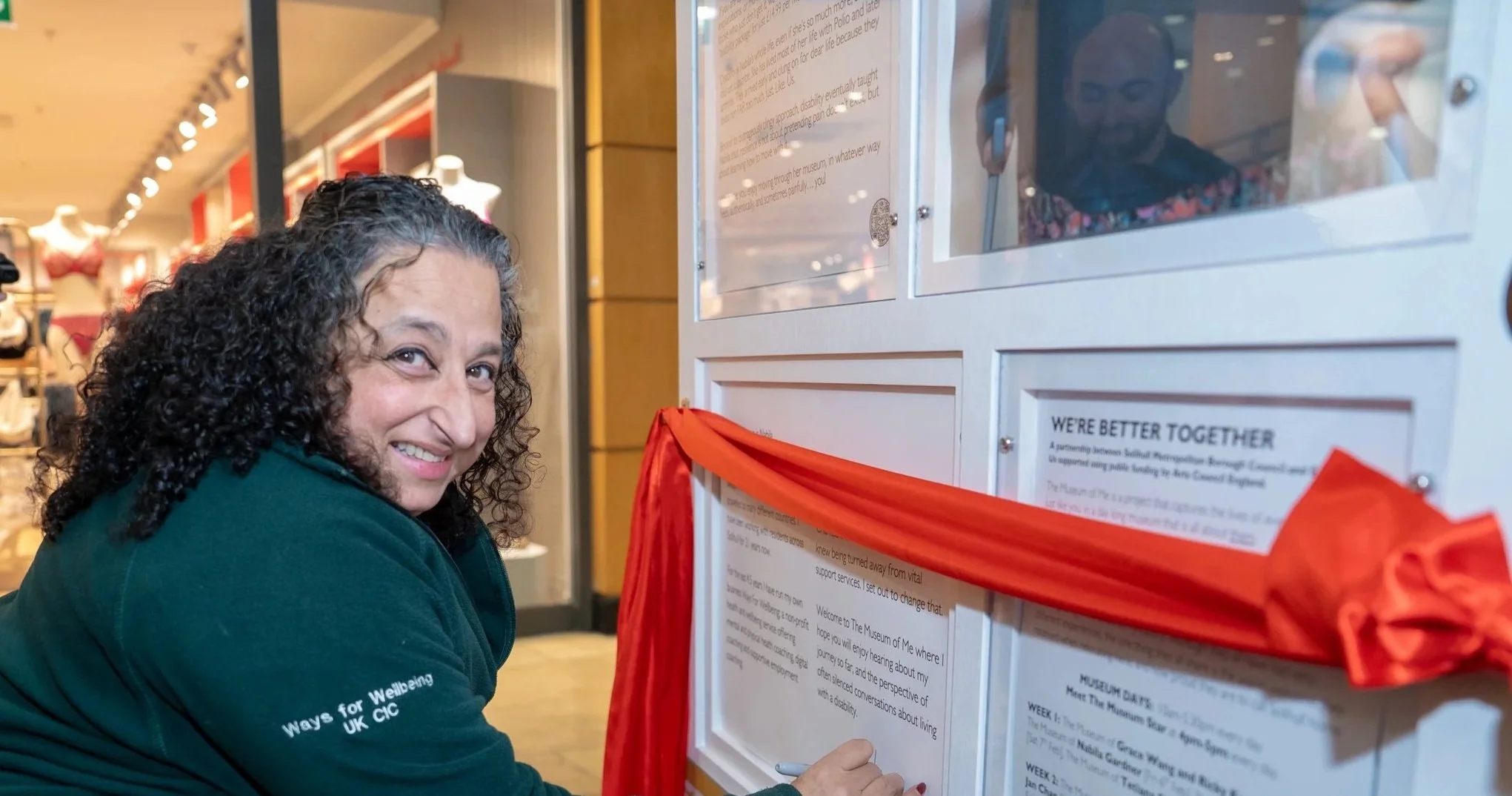
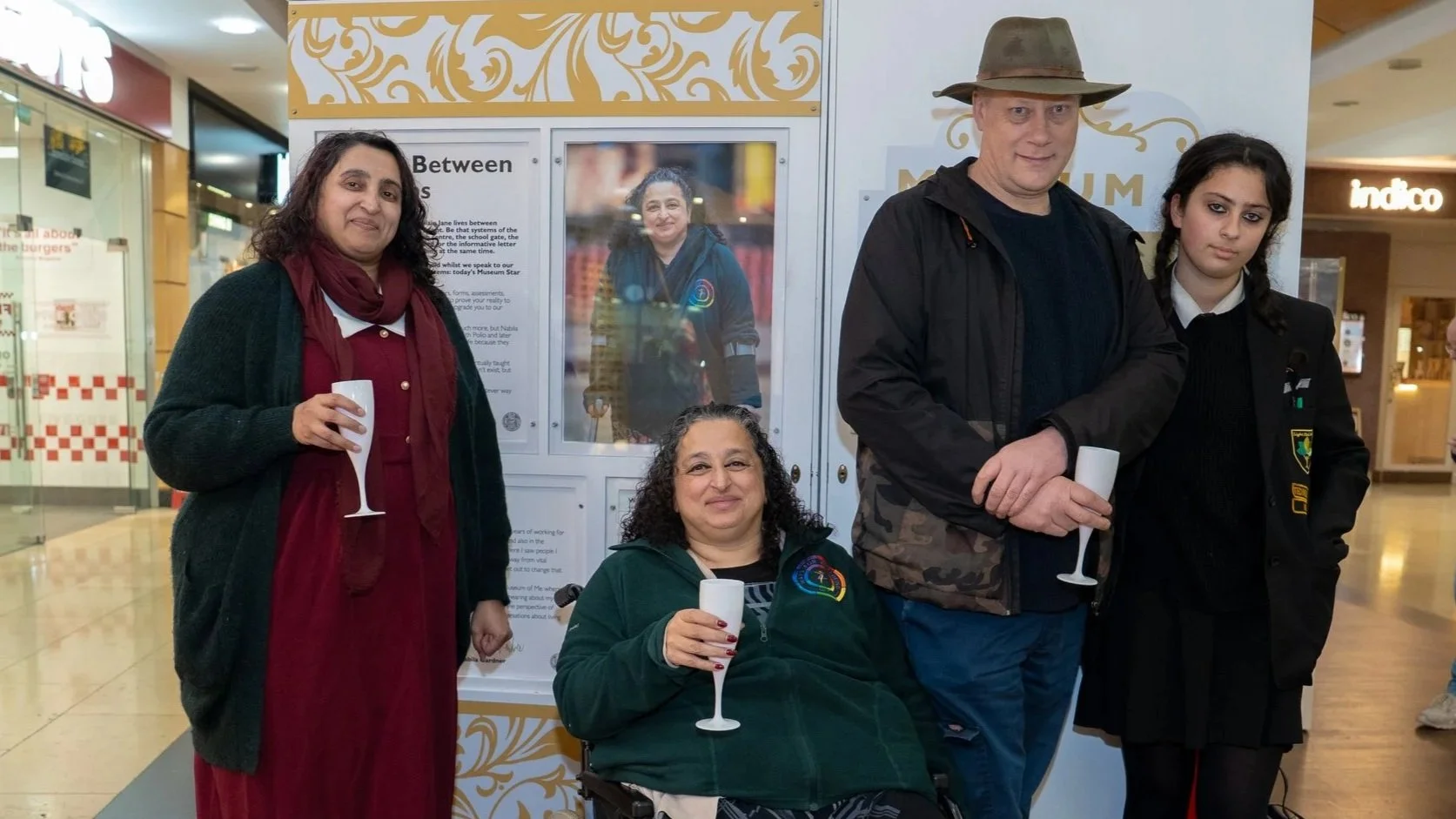
Nabila Gardner
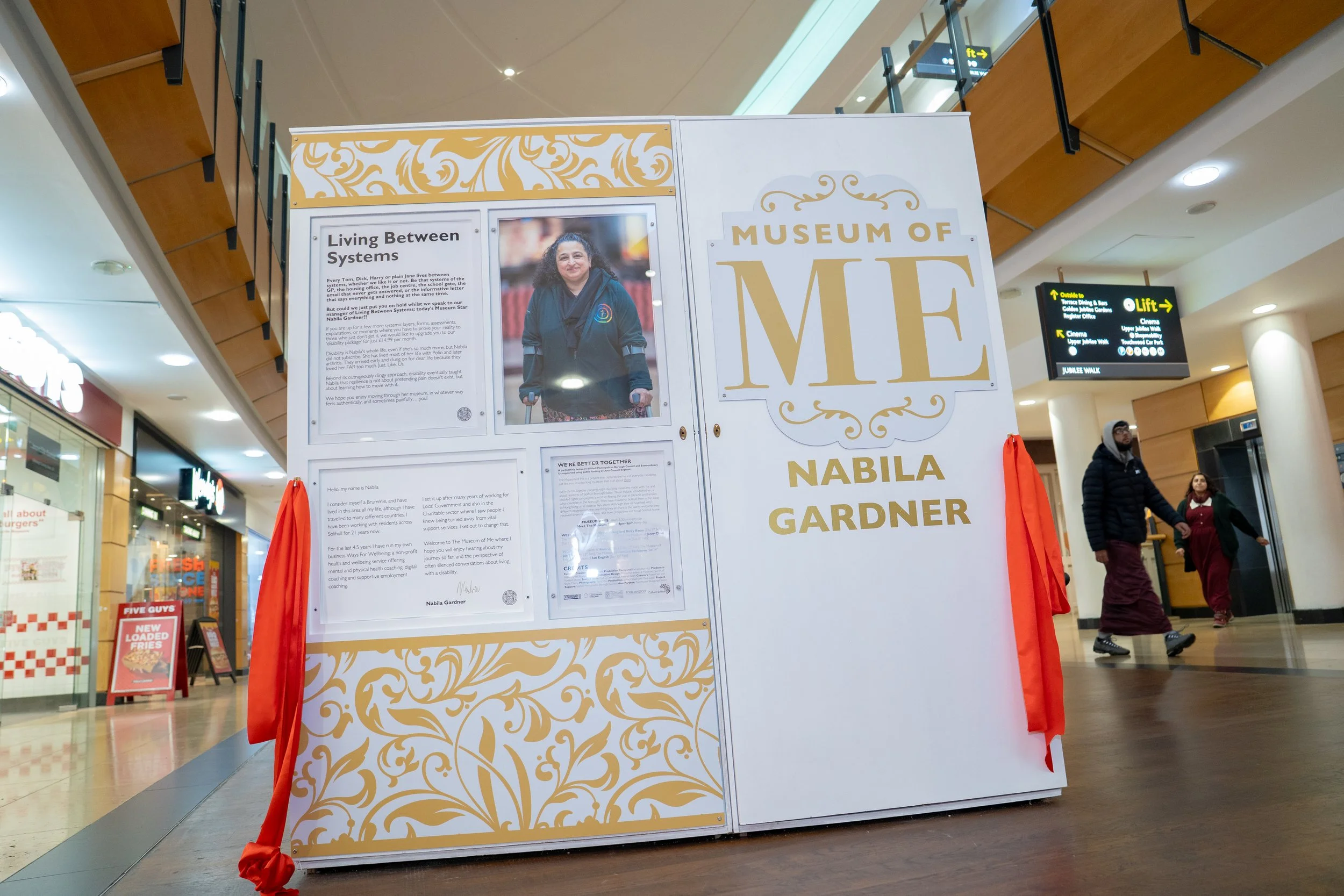
LIVING BETWEEN SYSTEMS
Every Tom, Dick, Harry or plain Jane lives between systems, whether we like it or not. Be that systems of the GP, the housing office, the job centre, the school gate, the email that never gets answered, or the informative letter that says everything and nothing at the same time.
But could we just put you on hold whilst we speak to our manager of Living Between Systems: today's Museum Star Nabila Gardner?!
If you are up for a few more systemic layers, forms, assessments, explanations, or moments where you have to prove your reality to those who just don’t get it, we would like to upgrade you to our ‘disability package’ for just £14.99.
Disability is Nabila's whole life, even if she’s so much more, but she did not subscribe. She has lived most of her life with Polio and later arthritis. They arrived early and clung on for dear life because they loved her FAR too much. Just. Like. Us.
Beyond its outrageously clingy approach, disability eventually taught Nabila that resilience is not about pretending pain doesn’t exist, but about learning how to move with it. We hope you enjoy moving through her museum, in whatever way feels authentically, and sometimes painfully… you!
Hello, my name is Nabila
I consider myself a Brummie, and have lived in this area all my life, although I have travelled to many different countries. I have been working with residents across Solihull for 21 years now.
For the last 4.5 years I have run my own business Ways For Wellbeing; a non-profit health and wellbeing service offering mental and physical health coaching, digital coaching and supportive employment coaching. I set it up after many years of working for Local Government and also in the Charitable sector where I saw people I knew being turned away from support services. I set out to change that.
Welcome to The Museum of Me where I hope you will enjoy hearing about my journey so far, and the perspective of often silenced conversations about living with a disability.
NABILA GARDNER
The Museum of Nabila Gardner
-
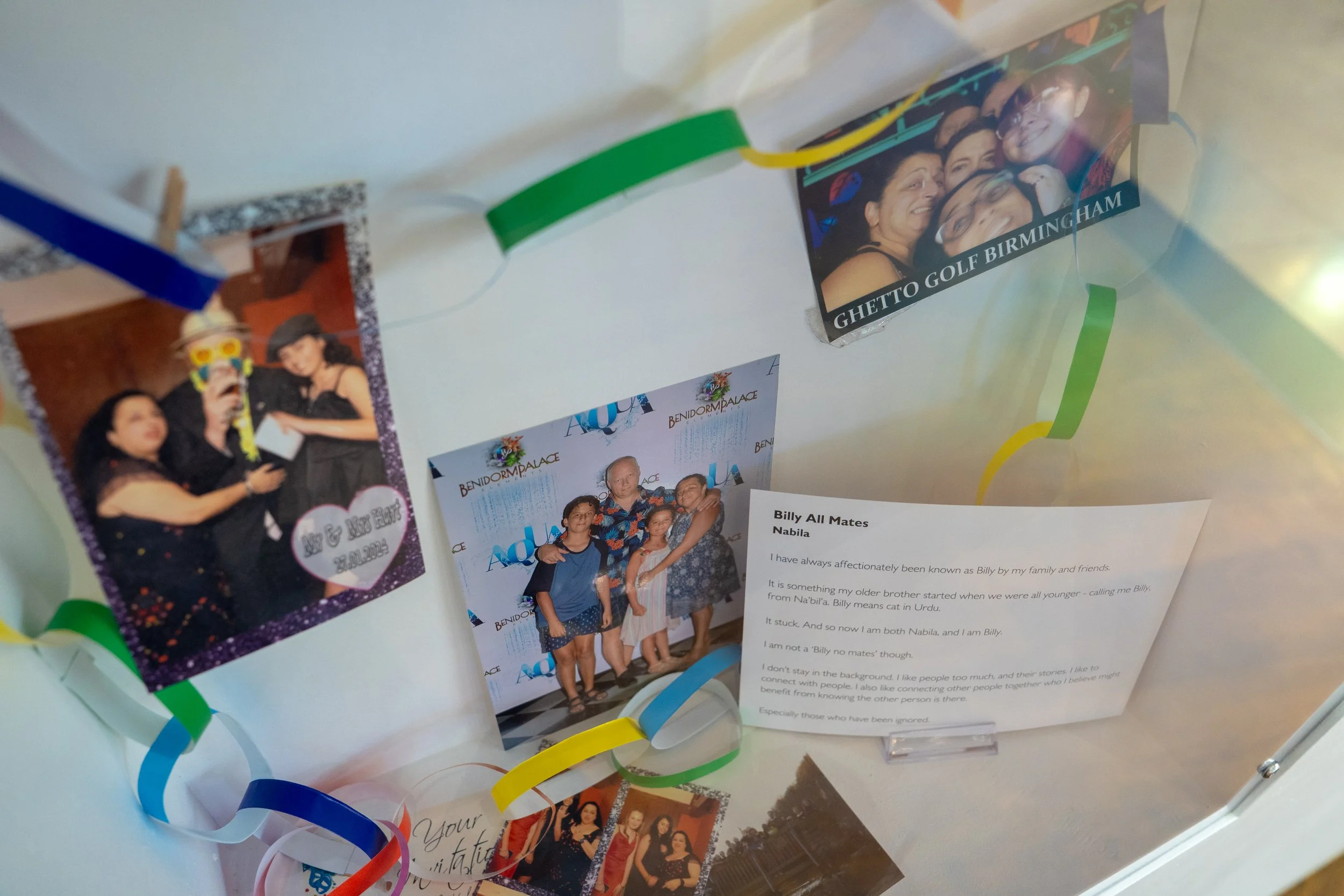
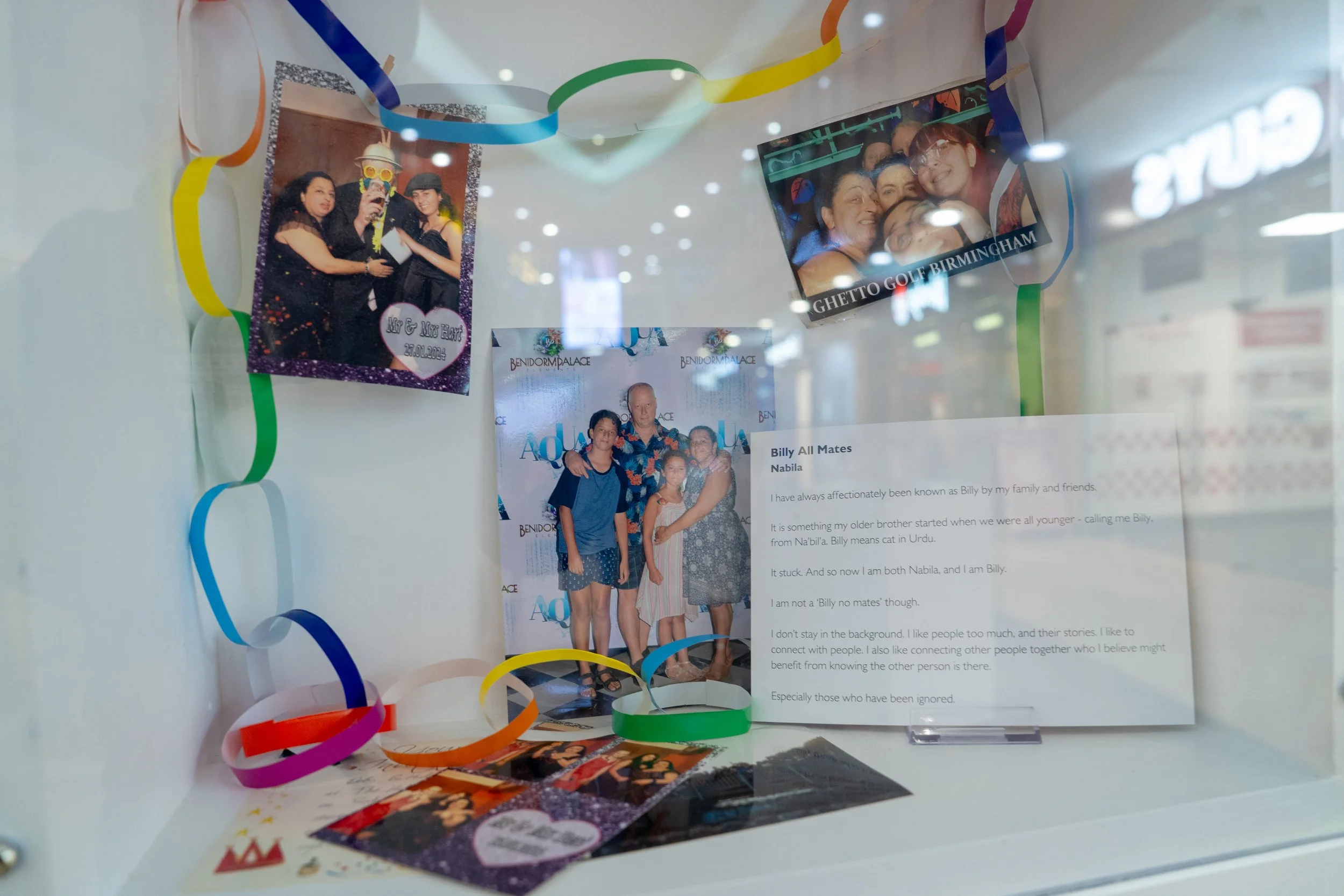
Billy All Mates
Items of Nabila’s youth
I have always affectionately been known as Billy by my family and friends.
It is something my older brother started when we were all younger - calling me Billy from Na’bil’a. Billy means cat in Urdu.
It stuck. And so now I am both Nabila, and I am Billy.
I am not a ‘Billy no mates’ though.
I don’t stay in the background. I like people too much, and their stories. I like to connect with people. I also like connecting other people together who I believe might benefit from knowing the other person is there.
Especially those who have been ignored.
-
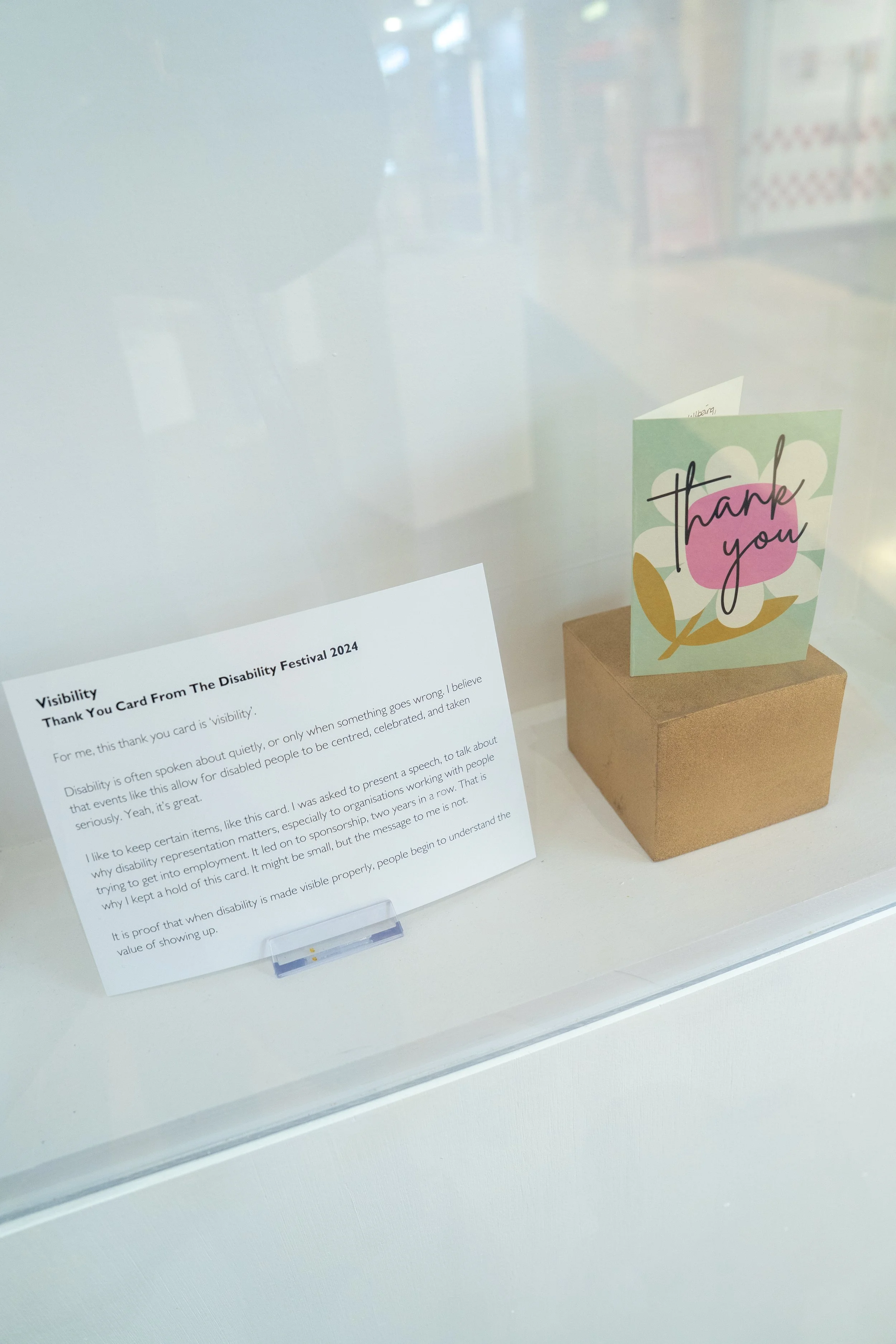
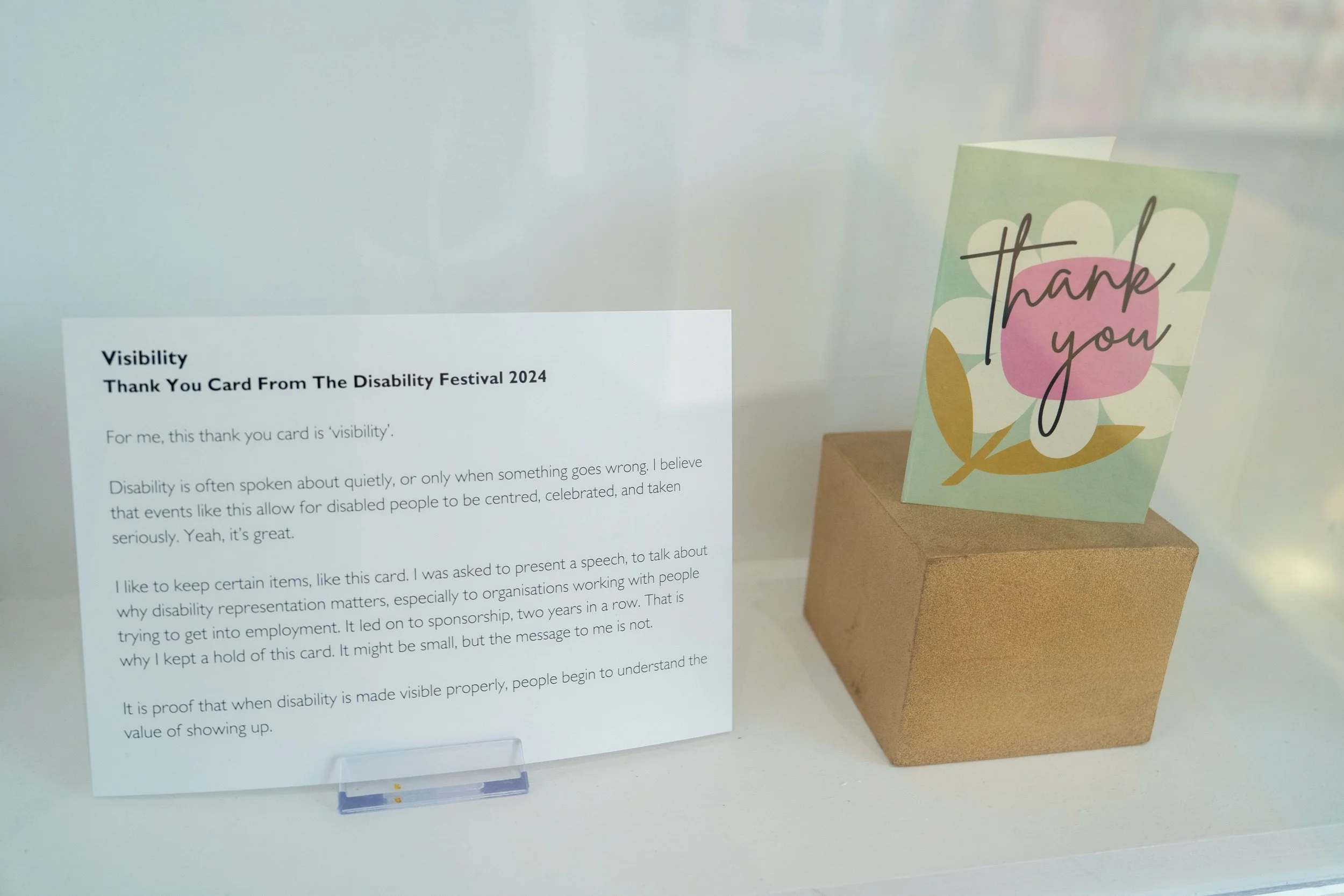
Visibility
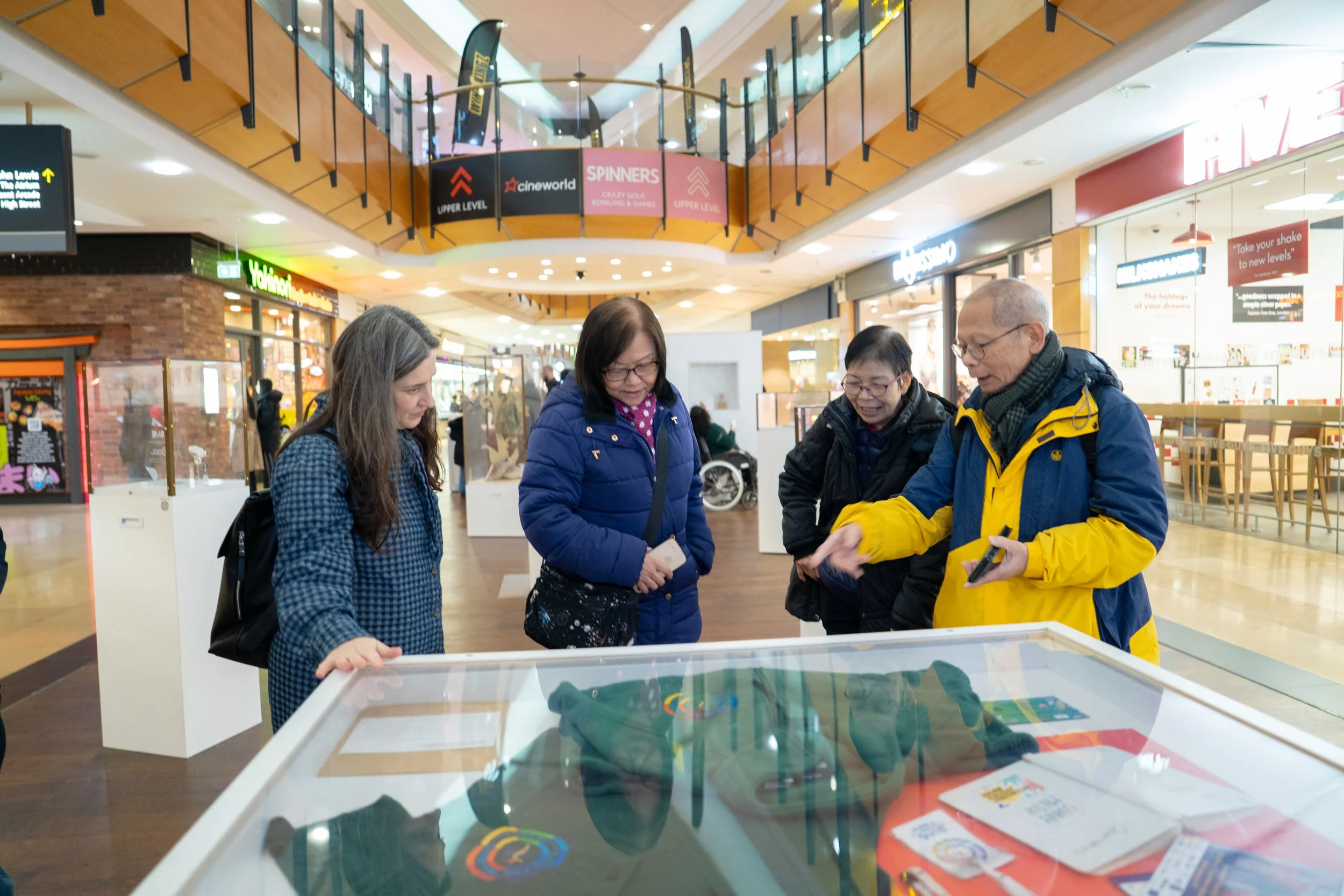
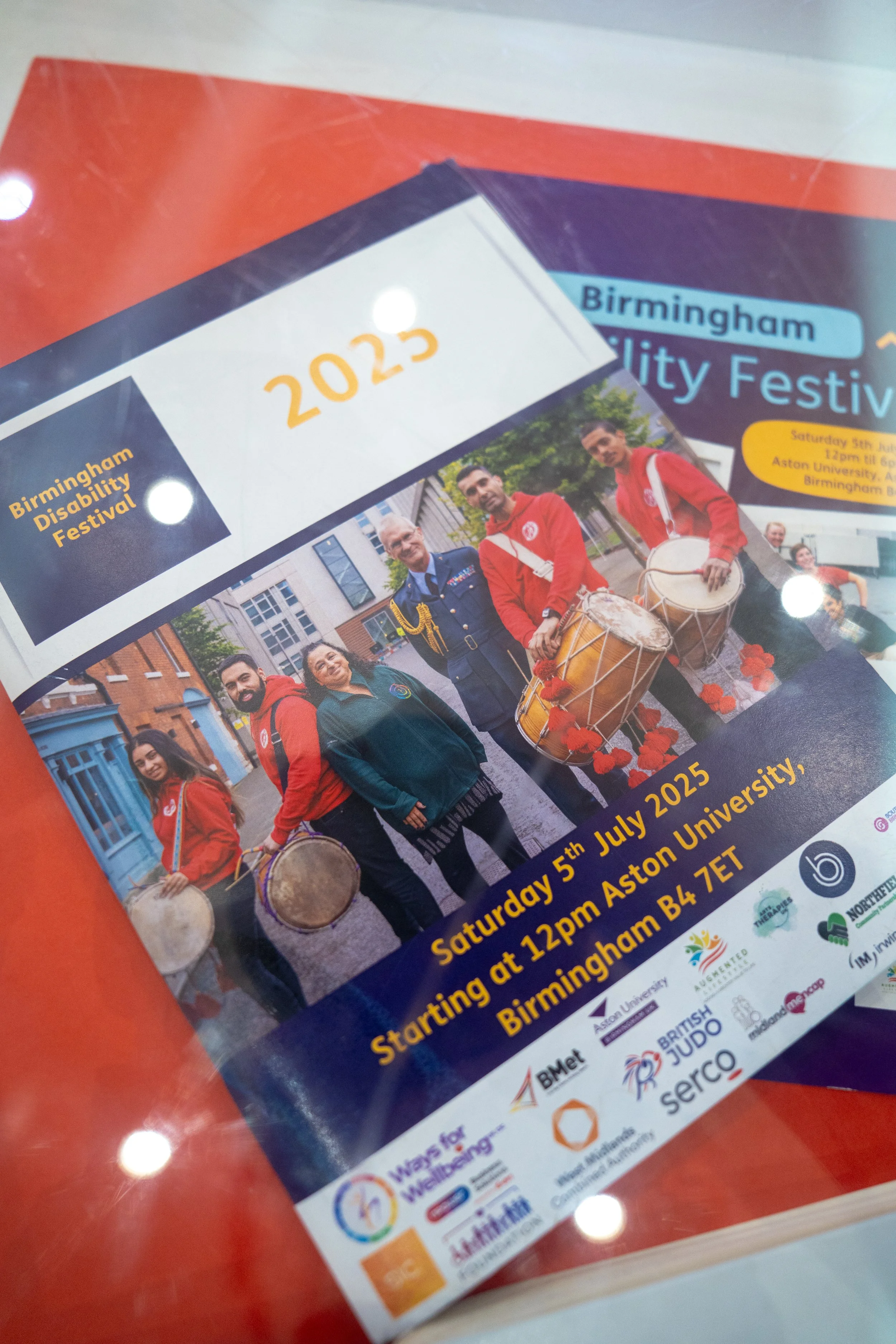
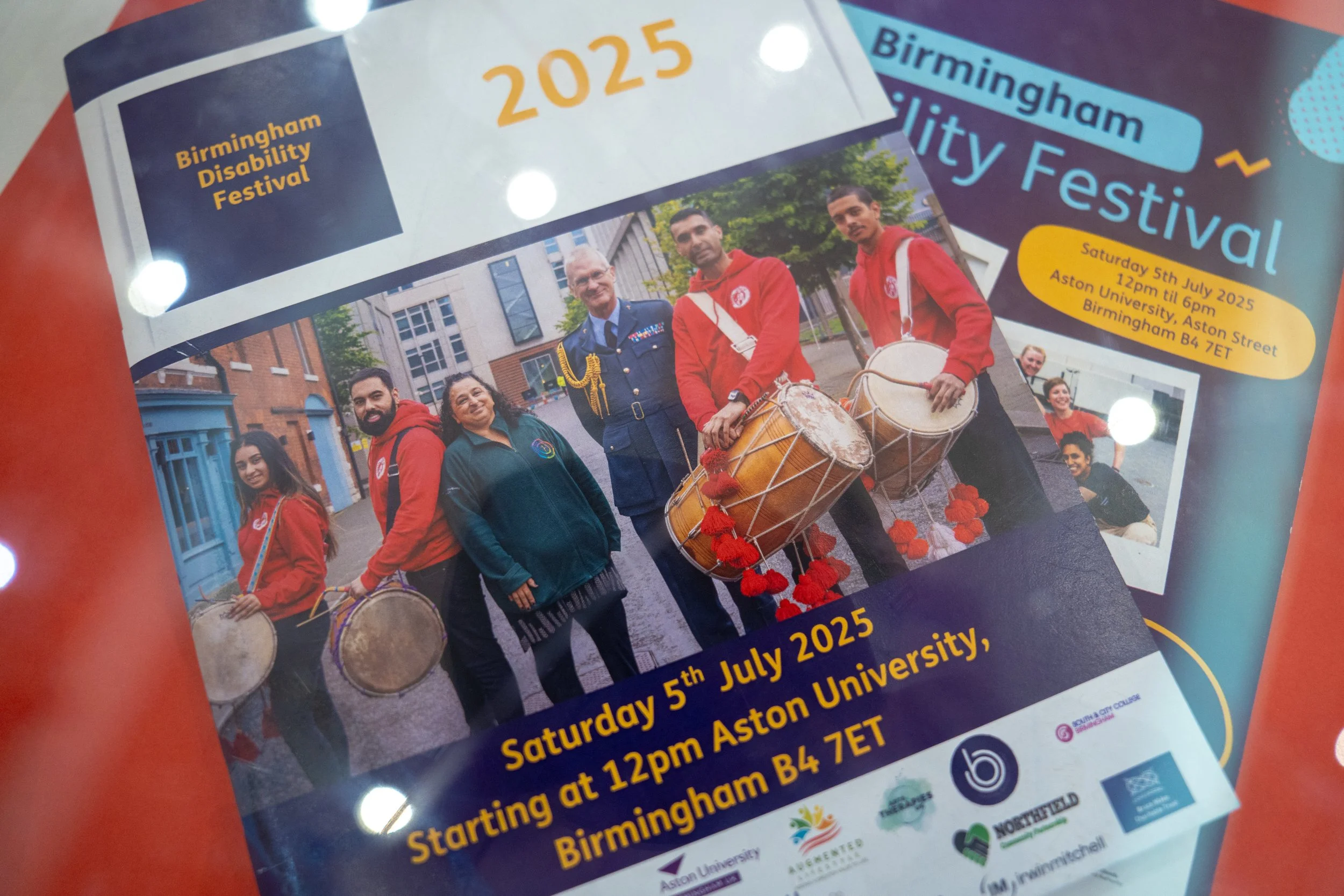
Thank You Card From The Disability Festival 2024
For me, this thank you card is ‘visibility’.
Disability is often spoken about quietly, or only when something goes wrong. I believe that events like this allow for disabled people to be centred, celebrated, and taken seriously. Yeah, it’s great.
I like to keep certain items, like this card. I was asked to present a speech, to talk about why disability representation matters, especially to organisations working with people trying to get into employment. It led on to sponsorship, two years in a row. That is why I kept a hold of this card. It might be small, but the message to me is not.
It is proof that when disability is made visible properly, people begin to understand the value of showing up.
-
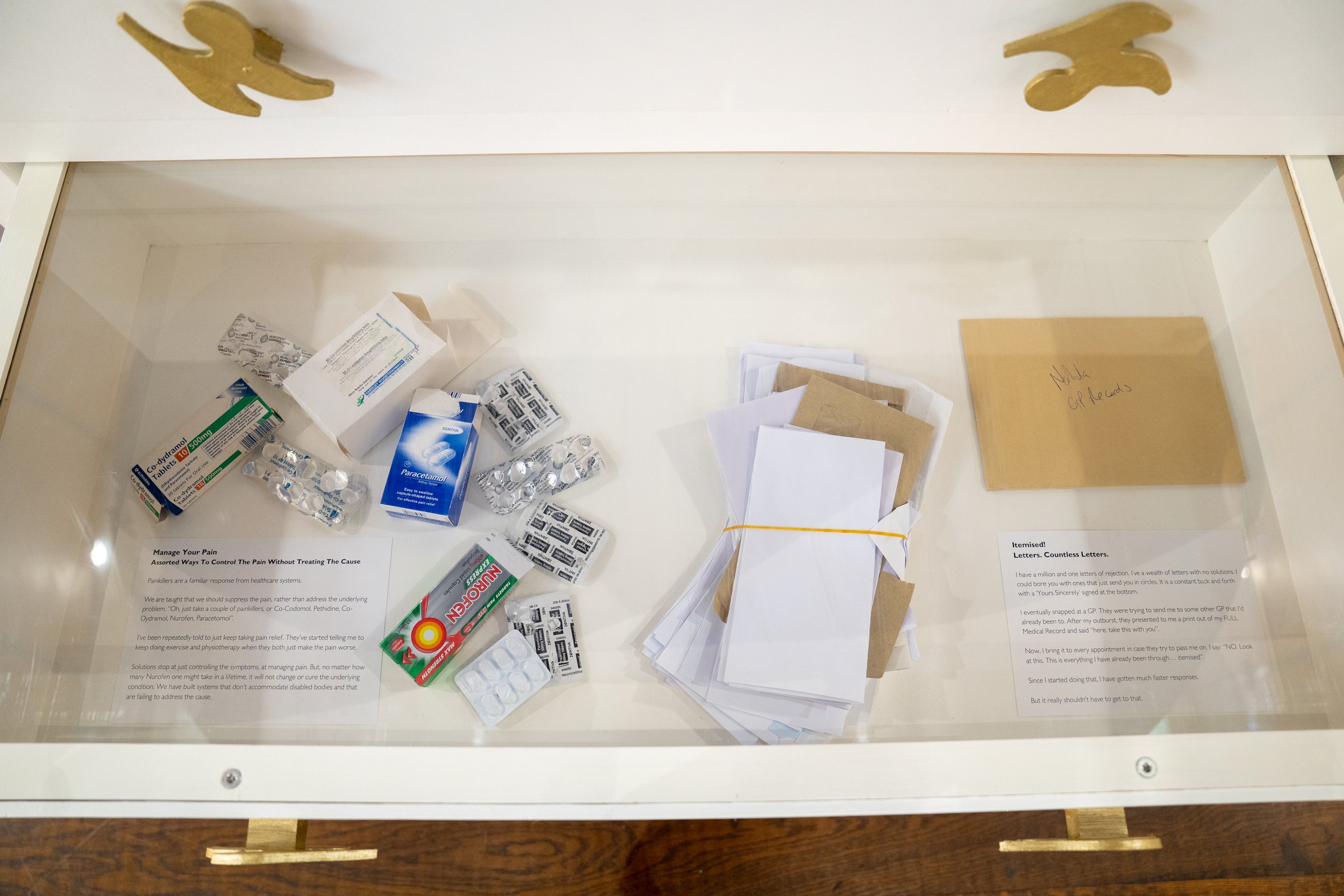
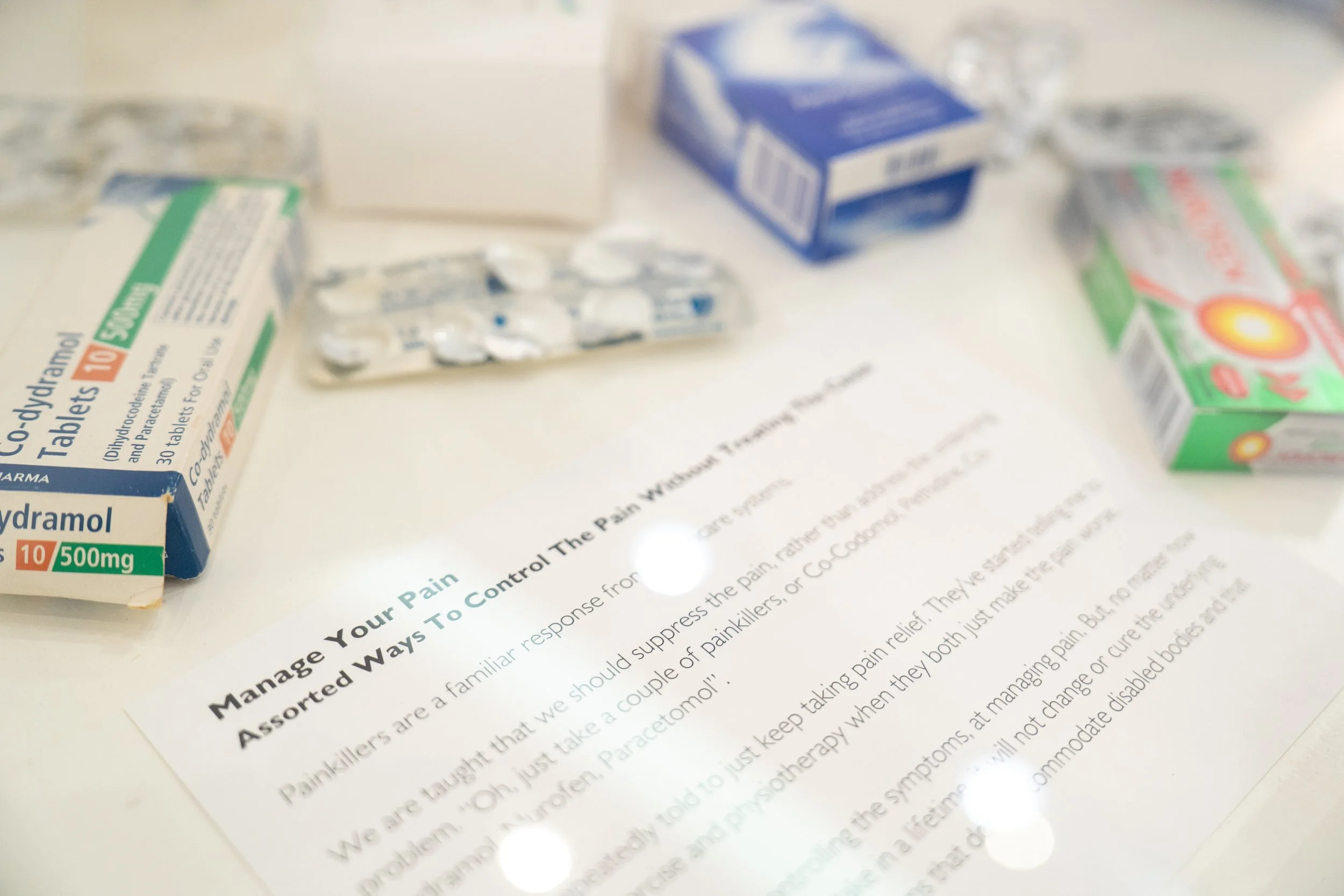
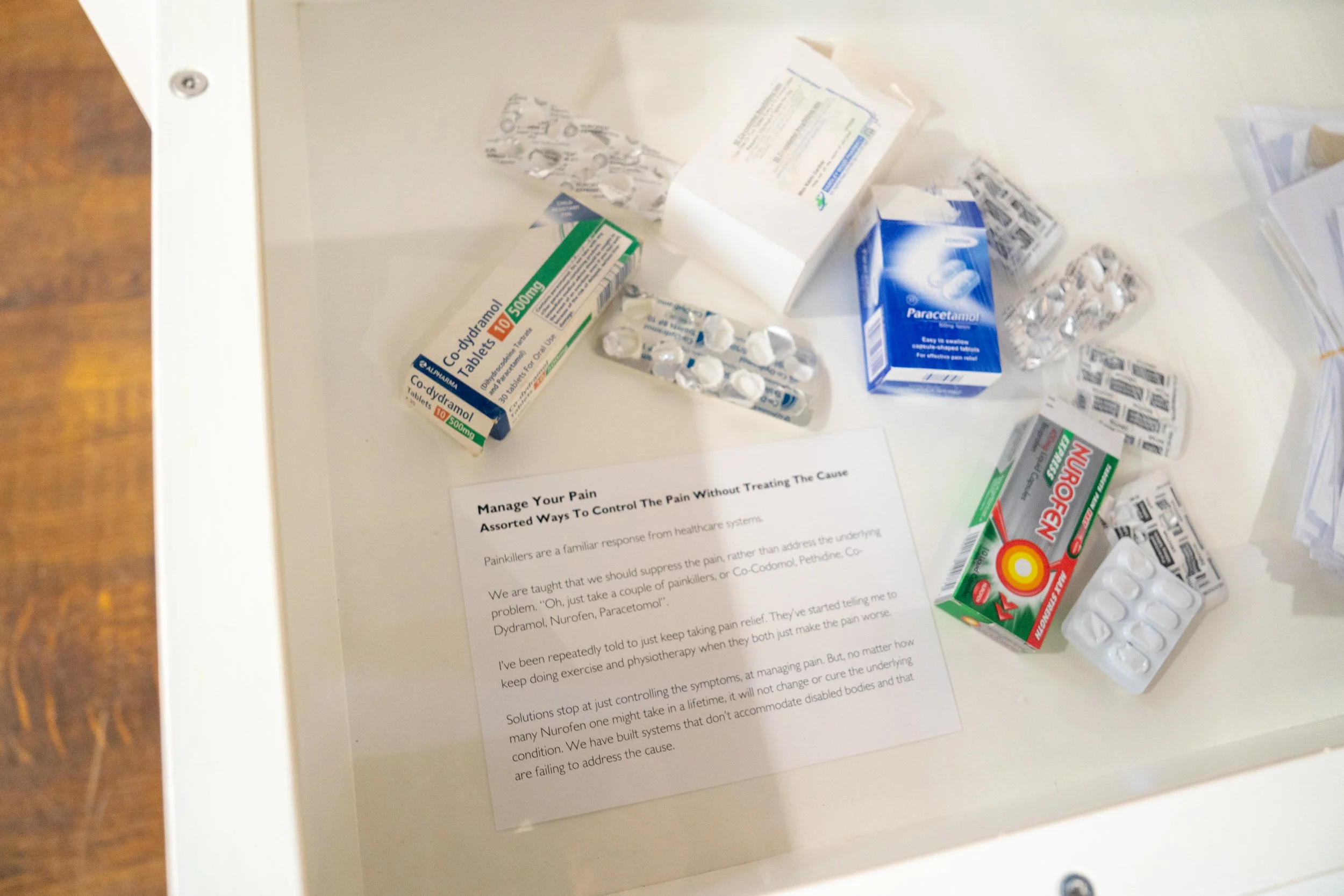
Manage Your Pain
Assorted Ways To Control The Pain Without Treating The Cause
Painkillers are a familiar response from healthcare systems.
We are taught that we should suppress the pain, rather than address the underlying problem. “Oh, just take a couple of painkillers, or Co-Codomol, Pethidine, Co-Dydramol, Nurofen, Paracetomol”.
I’ve been repeatedly told to just keep taking pain relief. They’ve started telling me to keep doing exercise and physiotherapy when they both just make the pain worse.
Solutions stop at just controlling the symptoms, at managing pain. But, no matter how many Nurofen one might take in a lifetime, it will not change or cure the underlying condition. We have built systems that don’t accommodate disabled bodies and that are failing to address the cause.
-
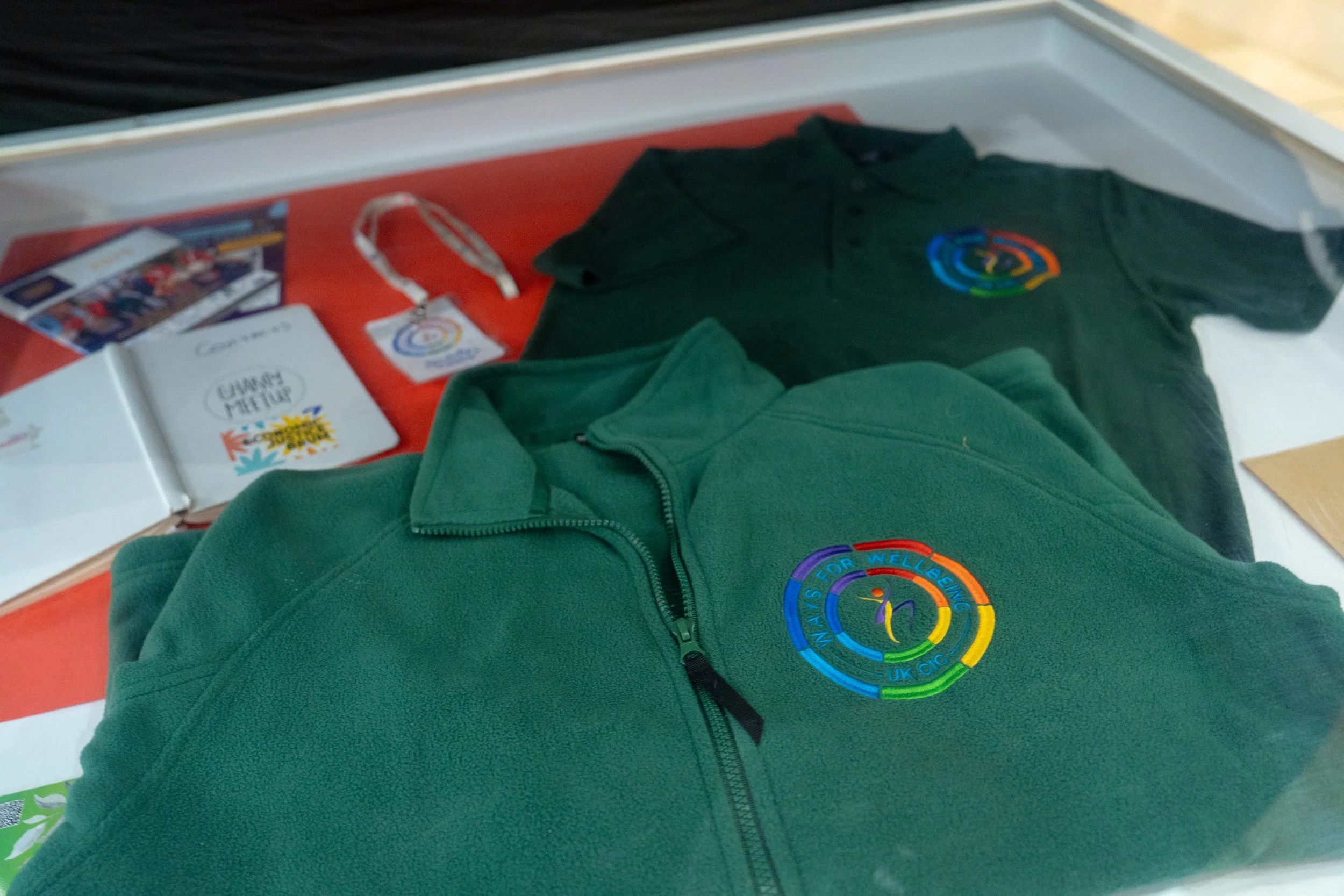
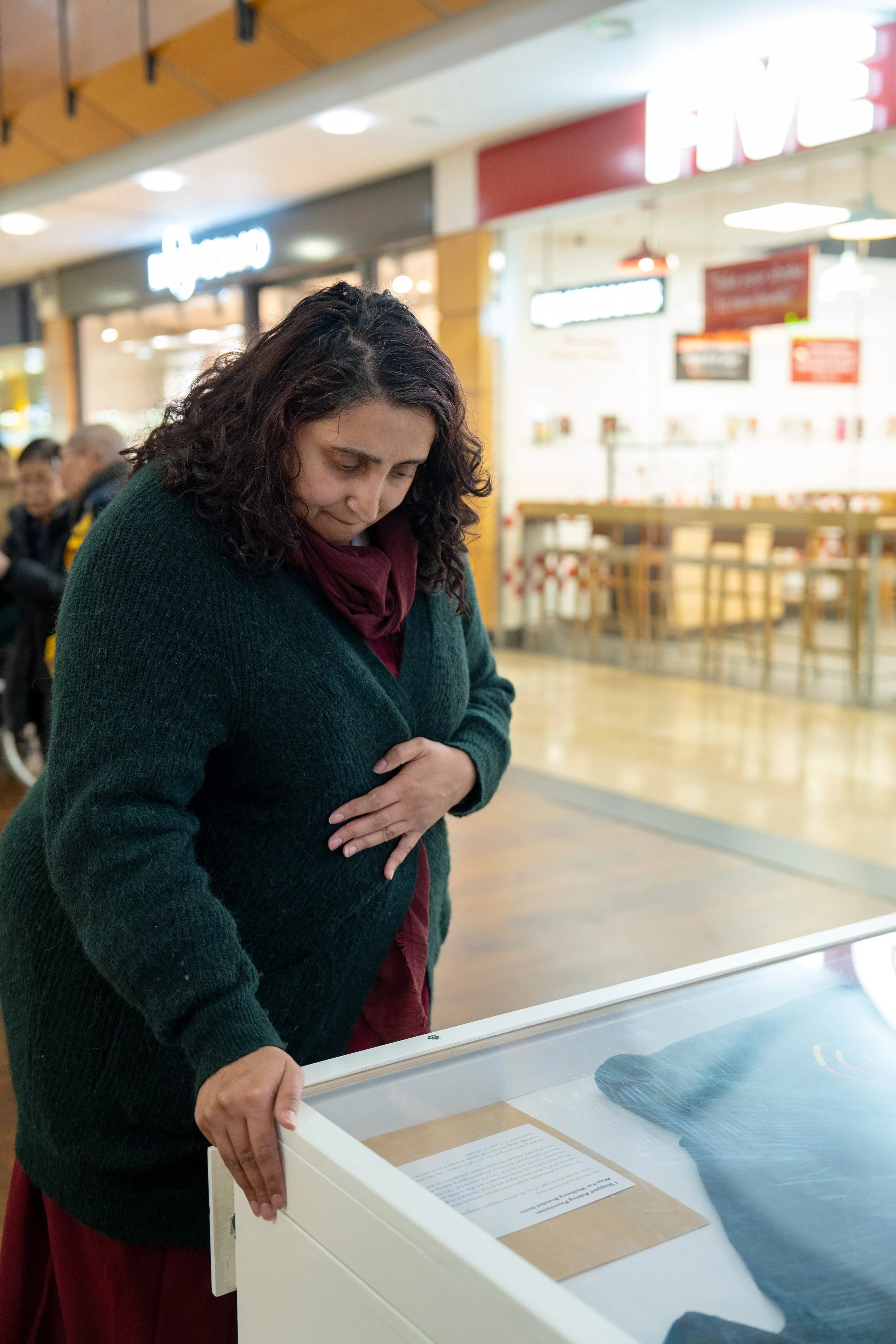
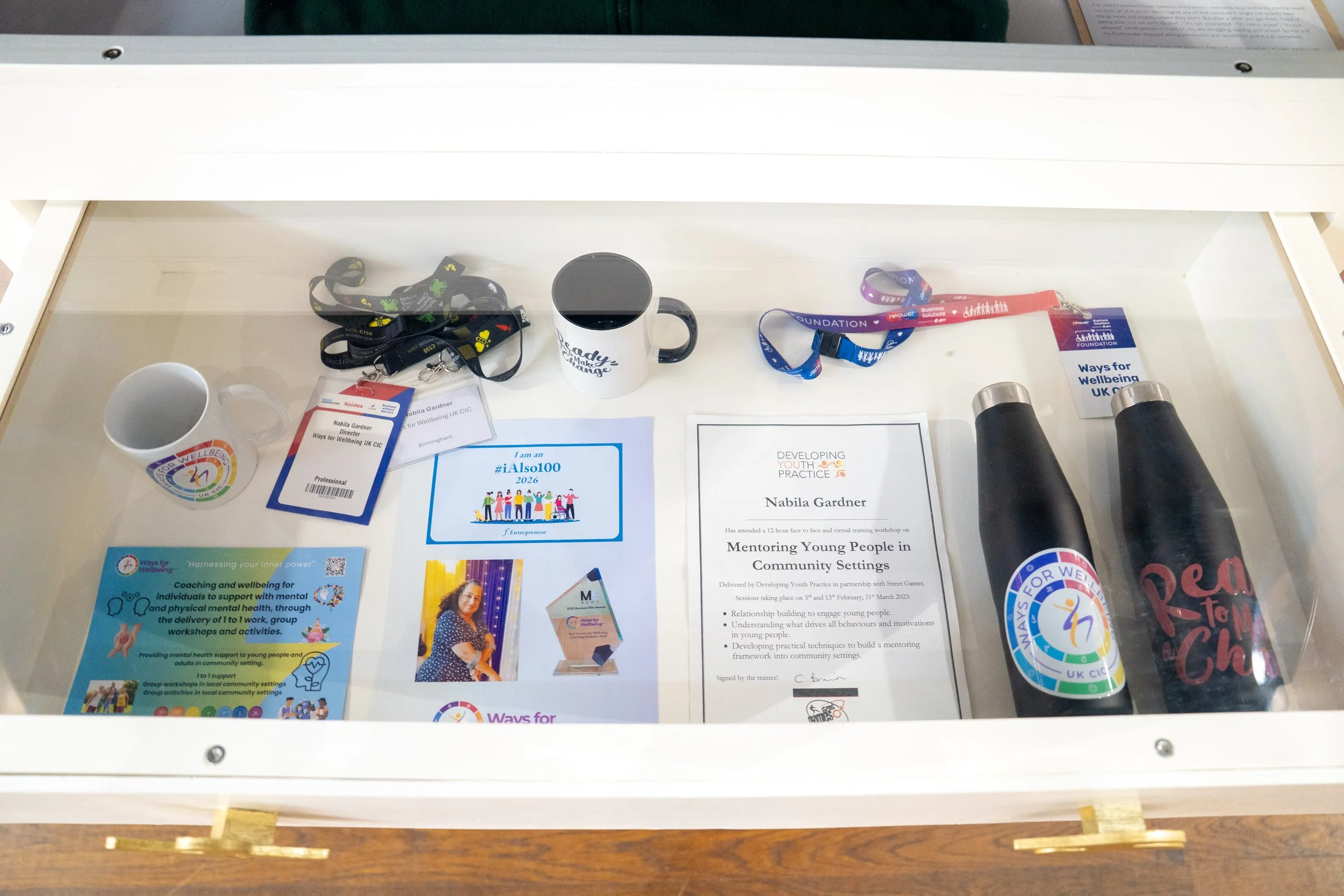
I Stopped Asking Permission
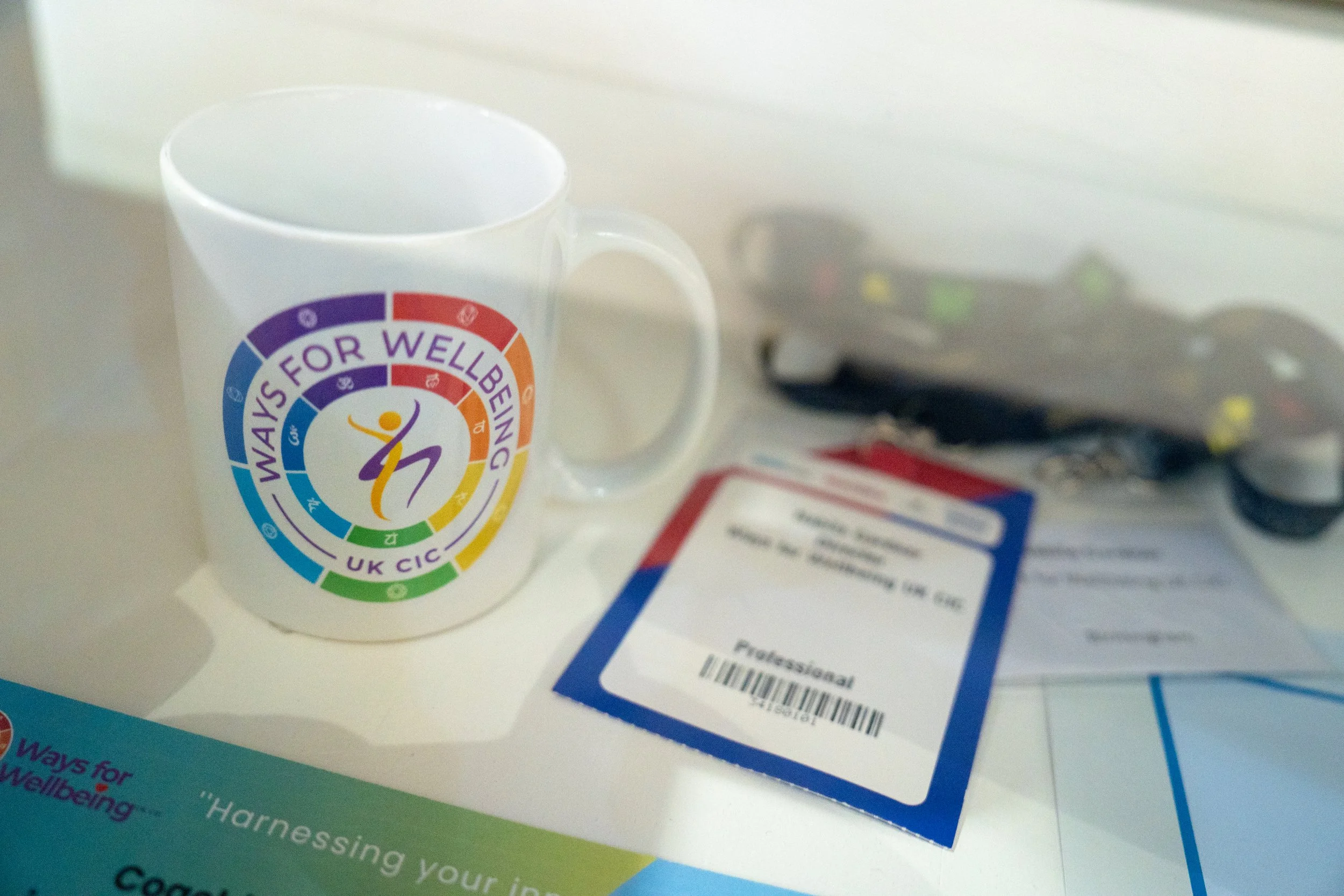
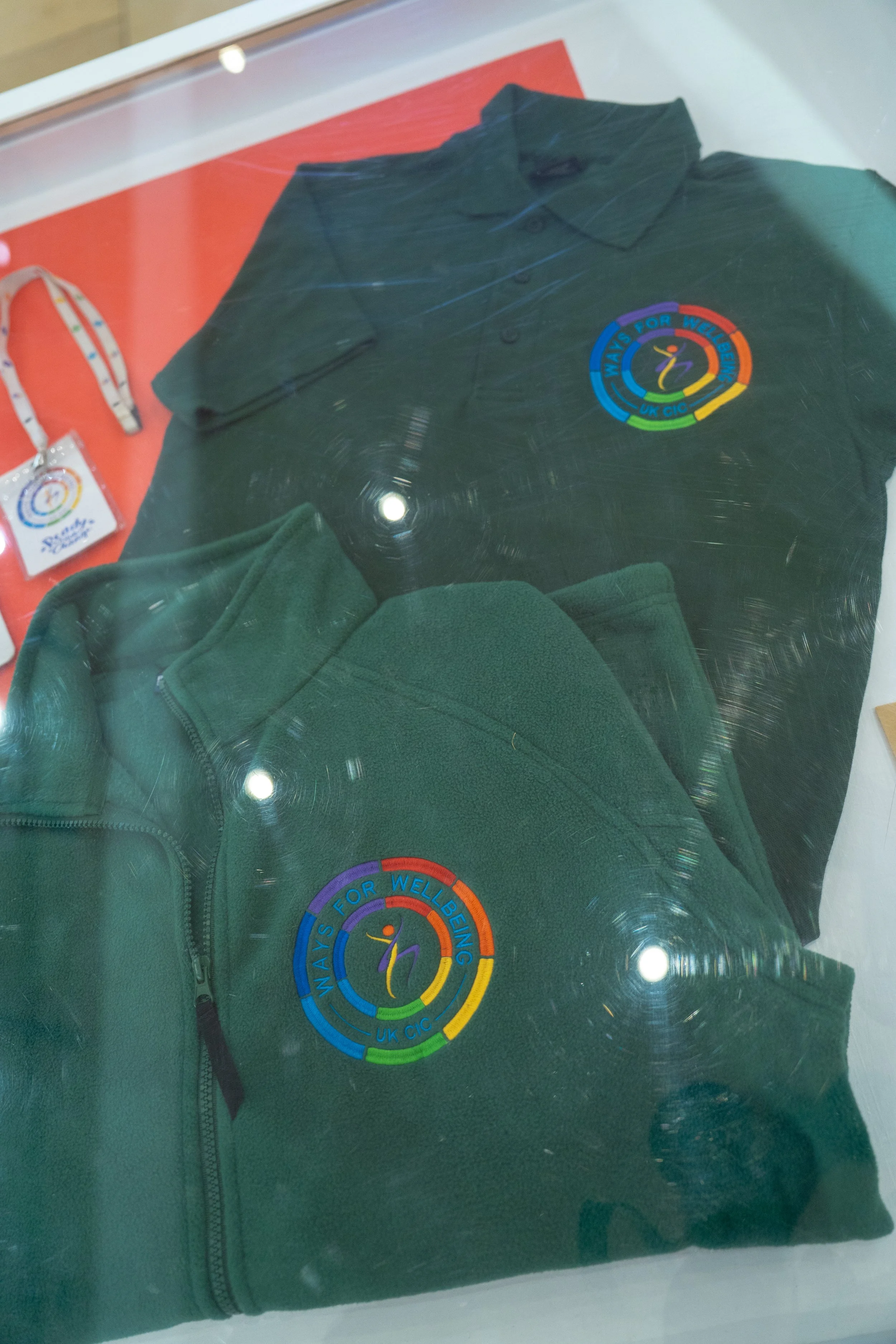
Ways For Wellbeing Branded Items
So... I’m a business owner now.
To be honest, it’s the part of my life where I stopped asking permission.
For years I worked inside systems; third sector, contracts, local authority, mental health services, all of it. And I don’t regret any of that, because it taught me exactly how things work and exactly where they don’t. But after a while you get tired. Tired of being told: “no we can’t do that”, “it’s not contracted”, “it’s not in scope”, “it’s not allowed” while people in front of you are struggling, waiting, and unwell. So me and my Cofounder stopped asking permission and decided to give it a go ourselves.
Working for myself gives me so much freedom. I can say what I actually mean. I can challenge things directly. I can design services around real life, not just what is ‘contracted’, ‘in scope’ or ‘allowed’
-
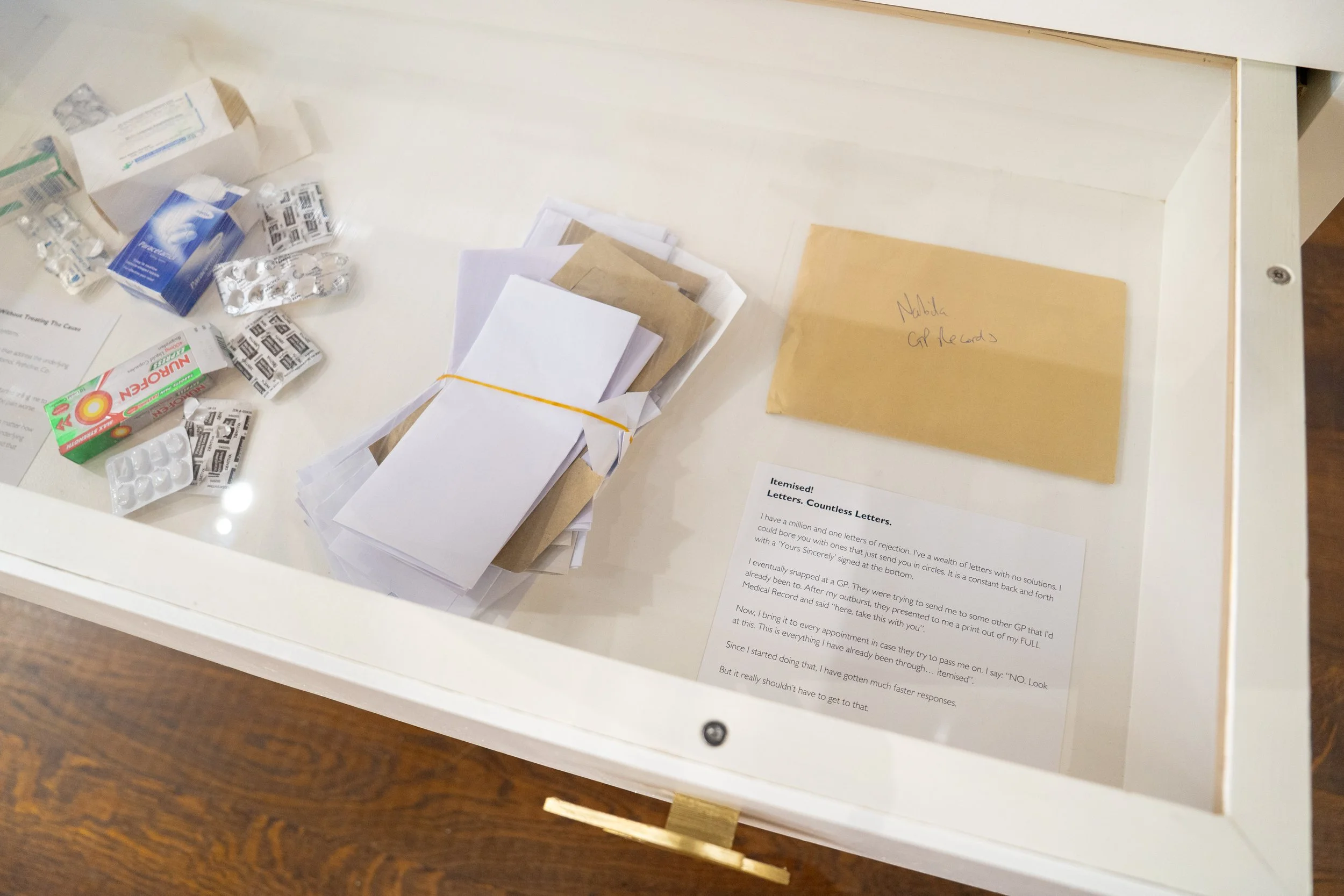
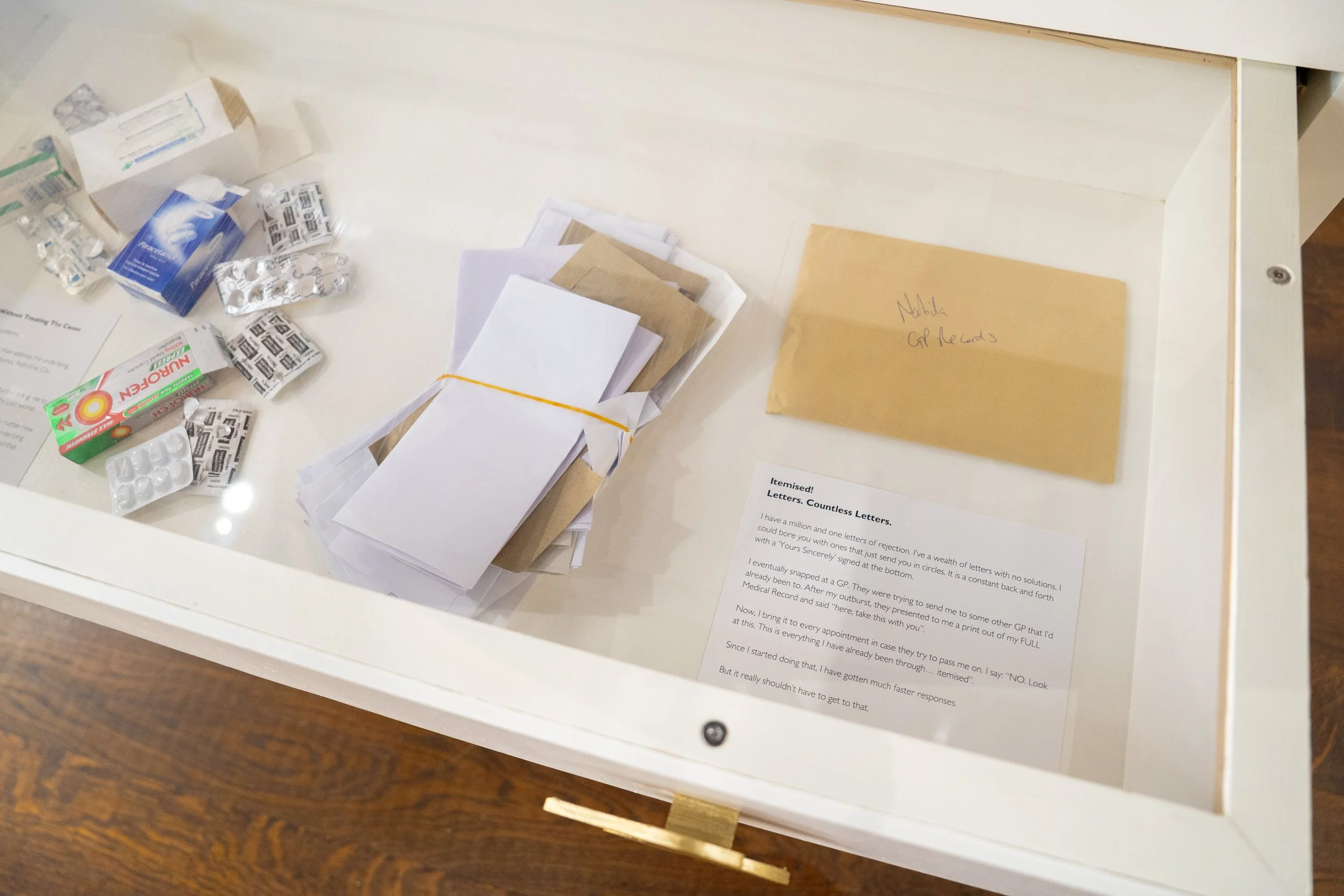
Itemised!
Letters. Countless Letters.
I have a million and one letters of rejection. I’ve a wealth of letters with no solutions. I could bore you with ones that just send you in circles. It is a constant back and forth with a ‘Yours Sincerely’ signed at the bottom.
I eventually snapped at a GP. They were trying to send me to some other GP that I’d already been to. After my outburst, they presented to me a print out of my FULL Medical Record and said “here, take this with you”.
Now, I bring it to every appointment in case they try to pass me on. I say: “NO. Look at this. This is everything I have already been through... itemised”.
Since I started doing that, I have gotten much faster responses.
But it really shouldn’t have to get to that.
-
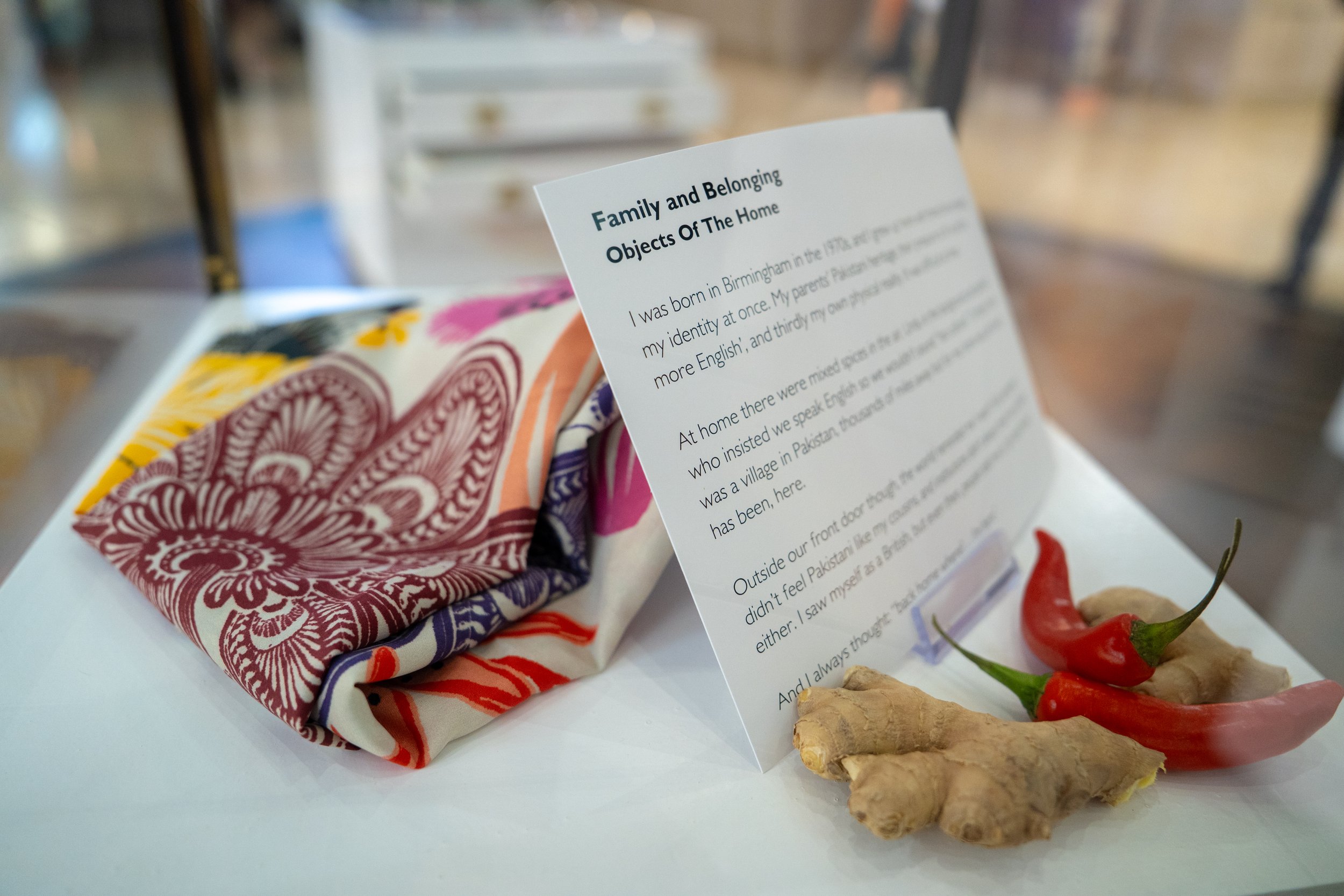
Family and Belonging
Objects Of The Home
I was born in Birmingham in the 1970s, and I grew up here with three forces shaping my identity at once. My parents’ Pakistani heritage, their pressure to fit in and ‘be more English’, and thirdly my own physical reality. It was difficult at times.
At home there were mixed spices in the air, Urdu in the background, and parents who insisted we speak English so we wouldn’t sound “too cultural”. To them, home was a village in Pakistan, thousands of miles away but for me, home was, and always has been, here.
Outside our front door though, the world reminded me I wasn’t fully accepted. Ididn’t feel Pakistani like my cousins, and institutions didn’t always treat me as British either. I saw myself as a British, but even then, people told me to “go back home”.
And I always thought: “back home where?... I’m here”.
-
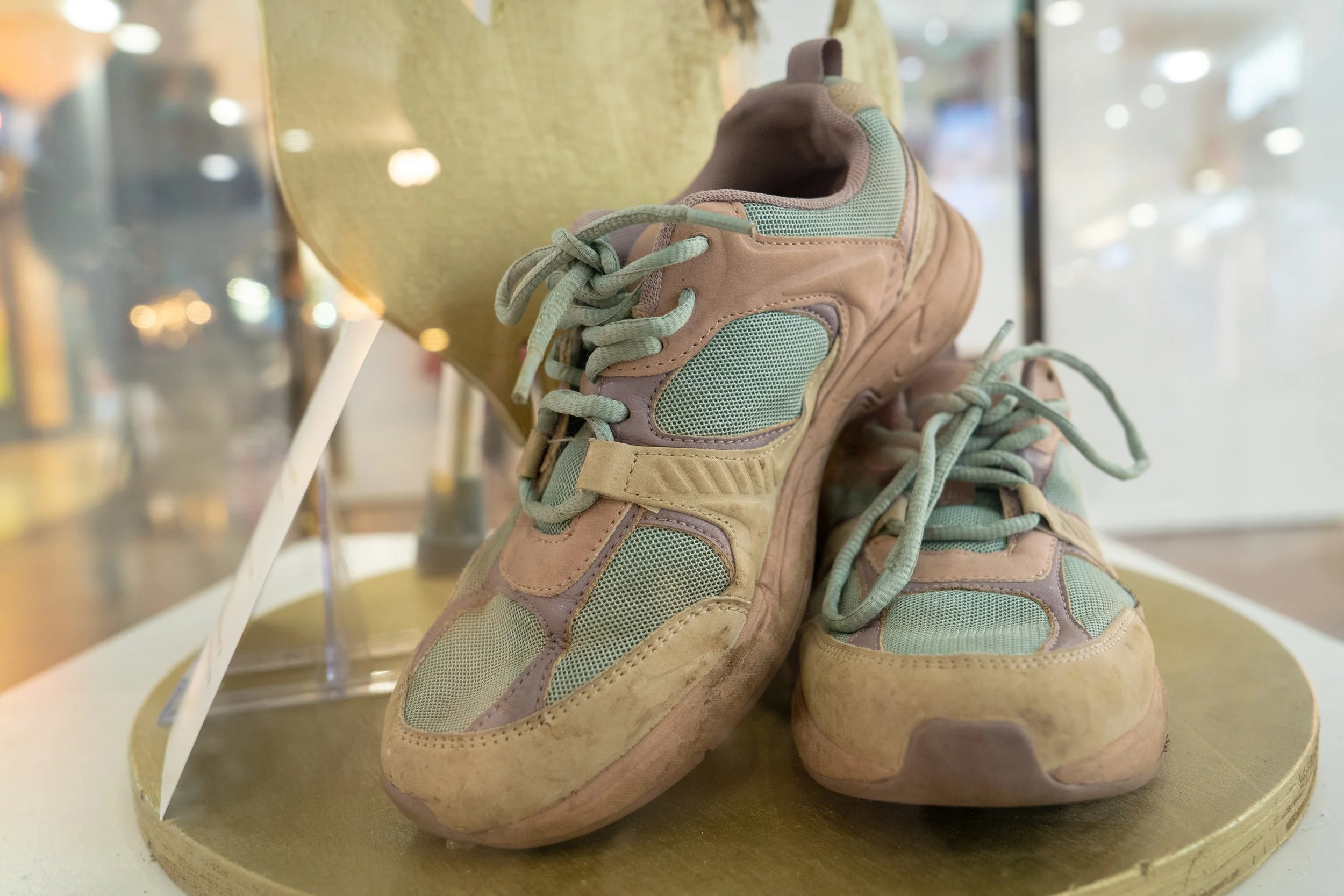
My Support
Splint and Crutches
I use a lot of support to help me get on with my everyday life.
I have to wear a splint everyday now, it’s a permanent part of my life. I can take the splint off if I am sitting down, but then if I am walking - even if I’m also using my crutches - I need to have them on.
Adapting is just what I have always done; from crutches, to a wheelchair, to more recently getting insoles built into my shoes.
Now, I have to send my shoes off off and ask them to do it, get an appointment for sizing, then wait for them to let me know it’s ready, go and try it on and take it home.
By that time I want a new pair of shoes.
-
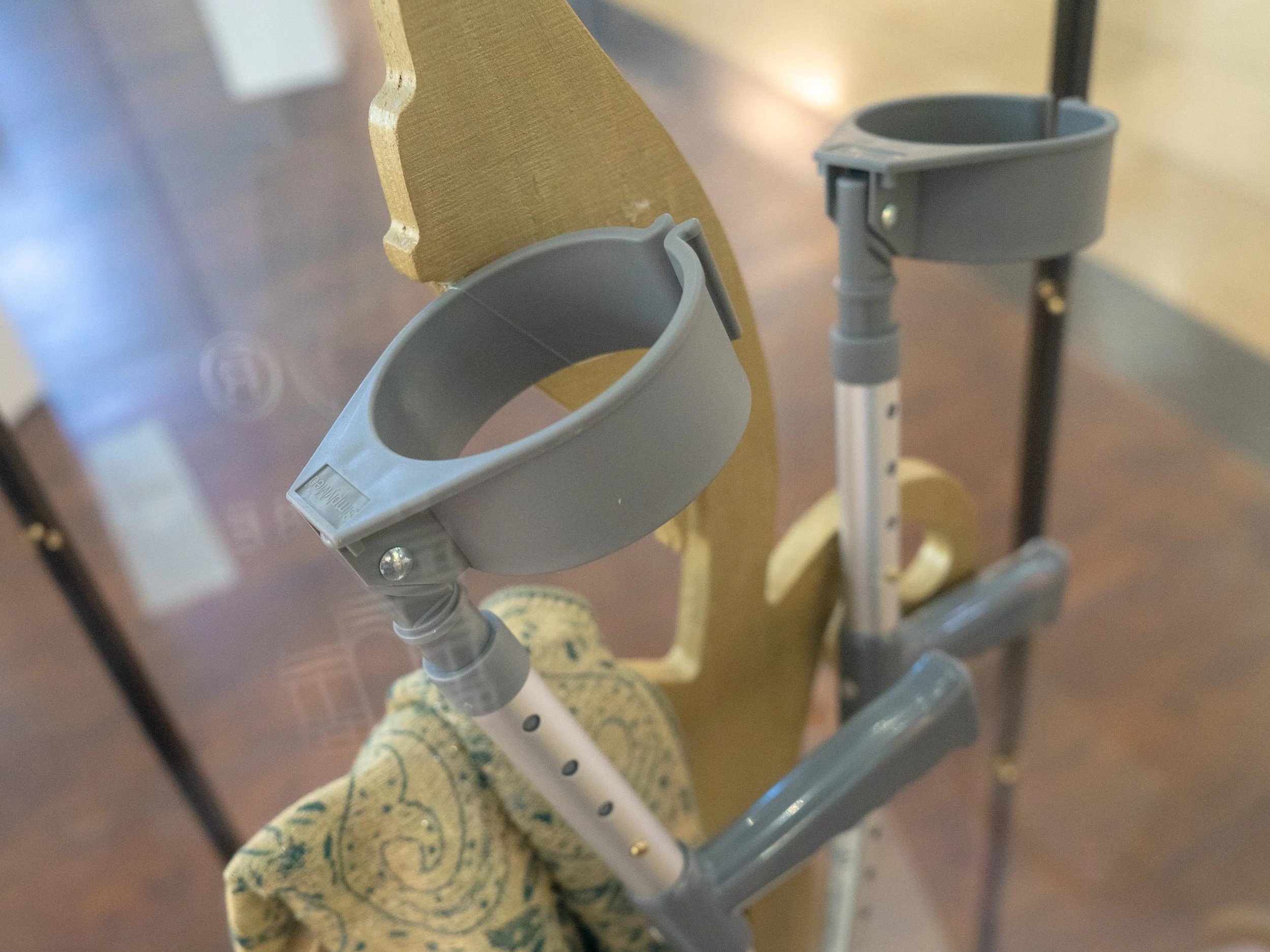
“She’s Faking It”
Nabila’s Splint and Crutches
Disability. It’s not necessarily limiting, but more how people perceive you or if they want to believe you.
If they can see it, they understand. If they can’t, they question you. I wish I didn’t have to think about that, but I do.
I use a crutch sometimes instead of a wheelchair because quite often people can’t grasp in their heads that if I get up from the wheelchair to get into a cab... I still am disabled!
Sometimes when you get up you see people start whispering and I can hear them say, “she’s not disabled”, “she’s faking it”.
I use crutches to save other peoples confusion.
-
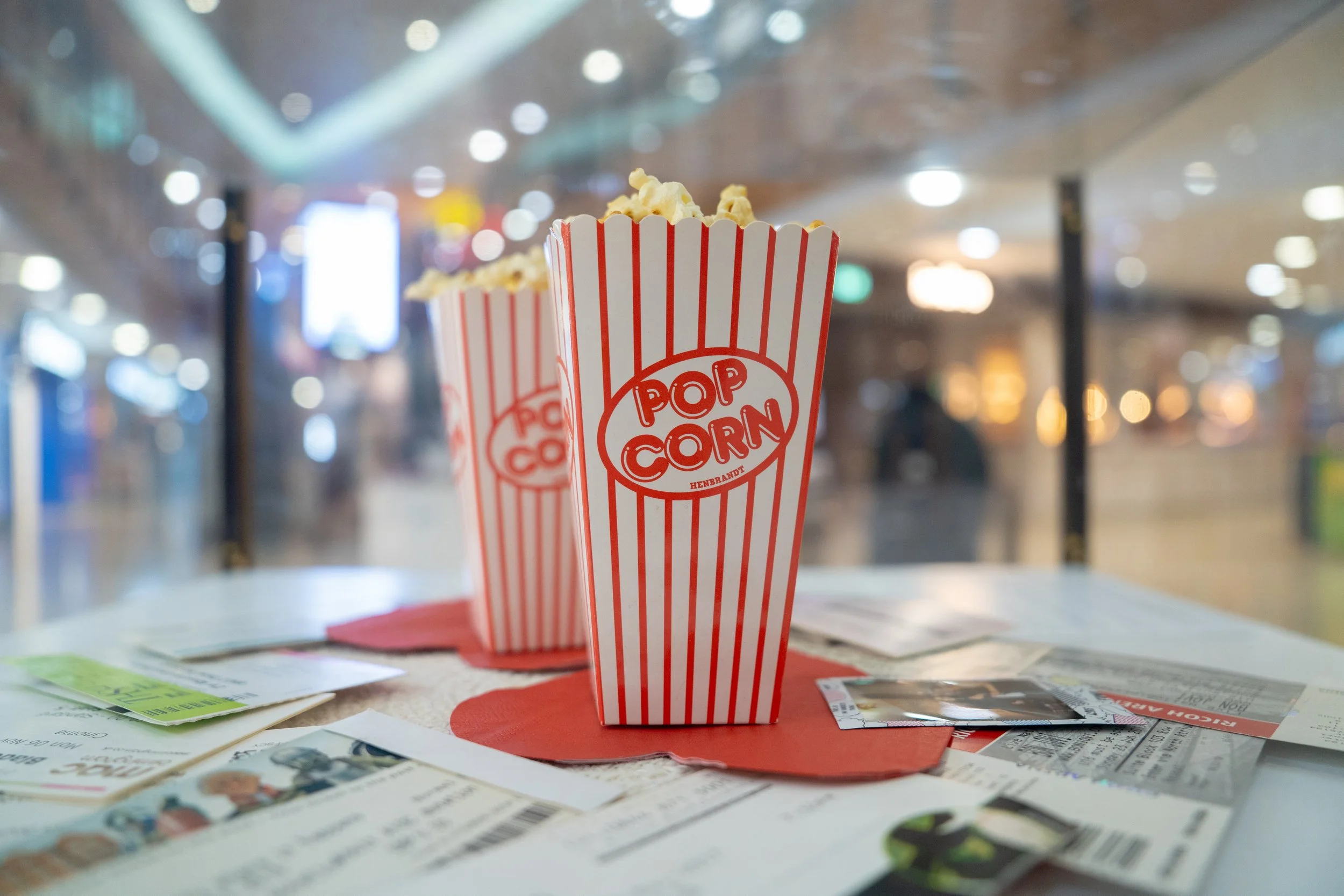
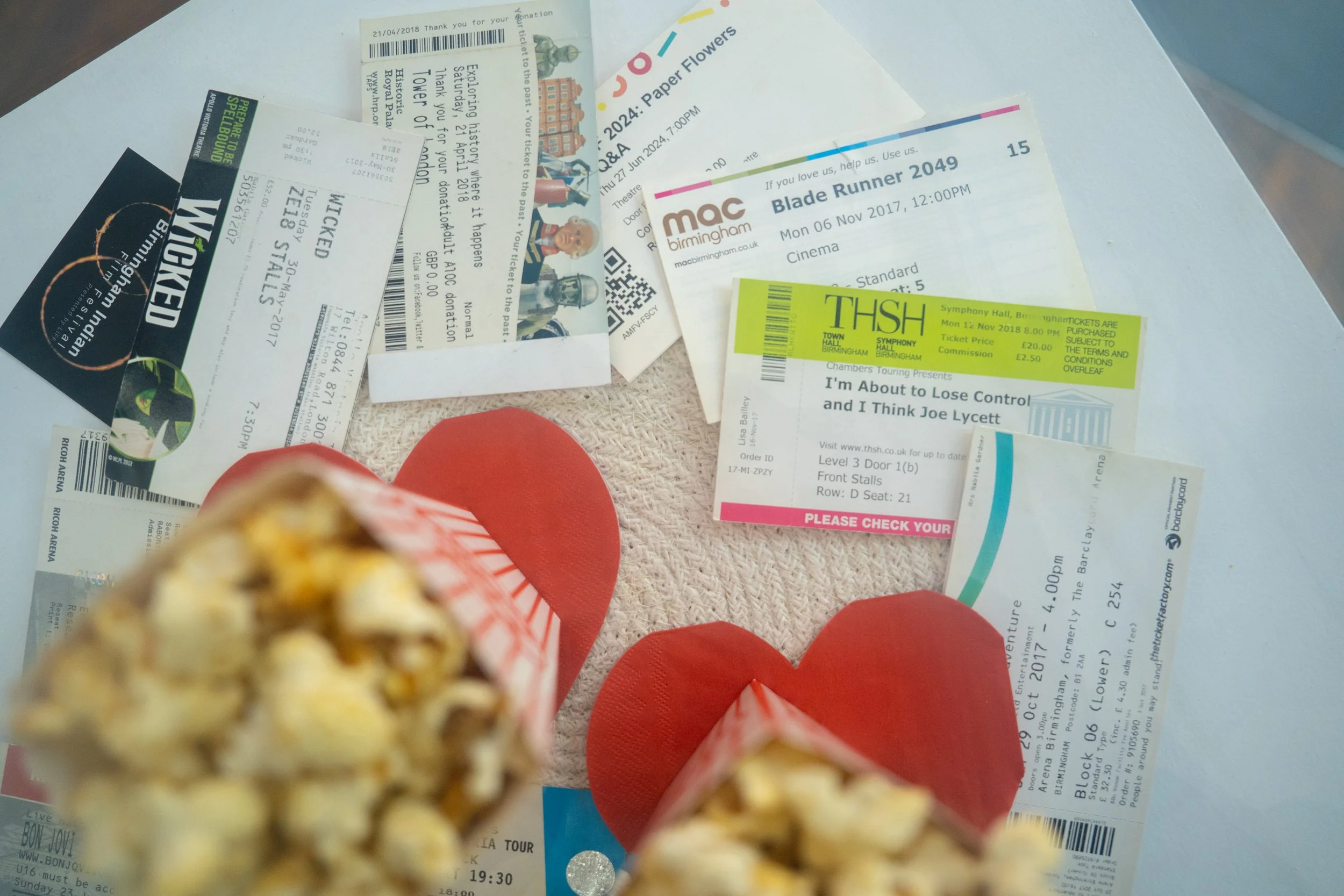
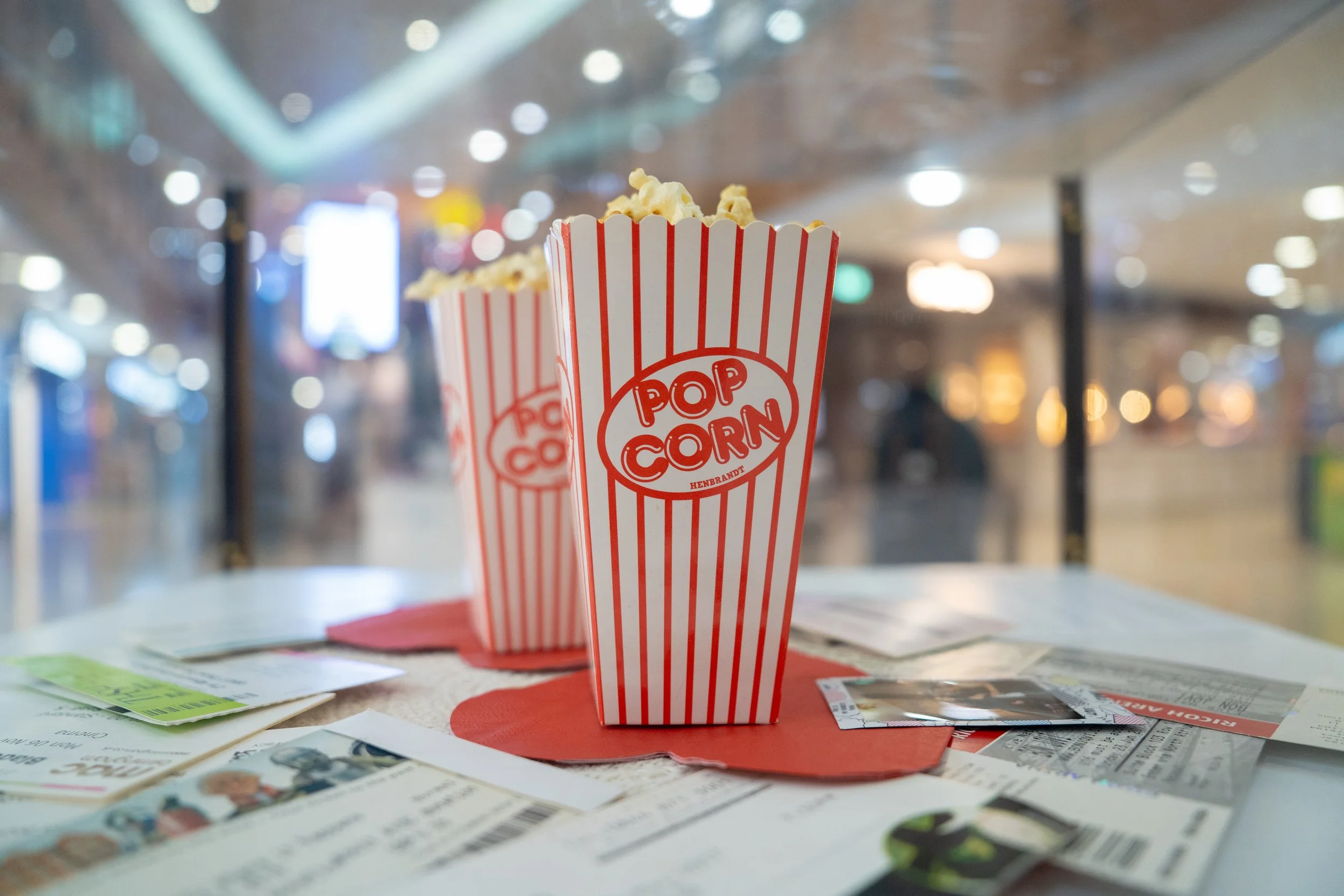
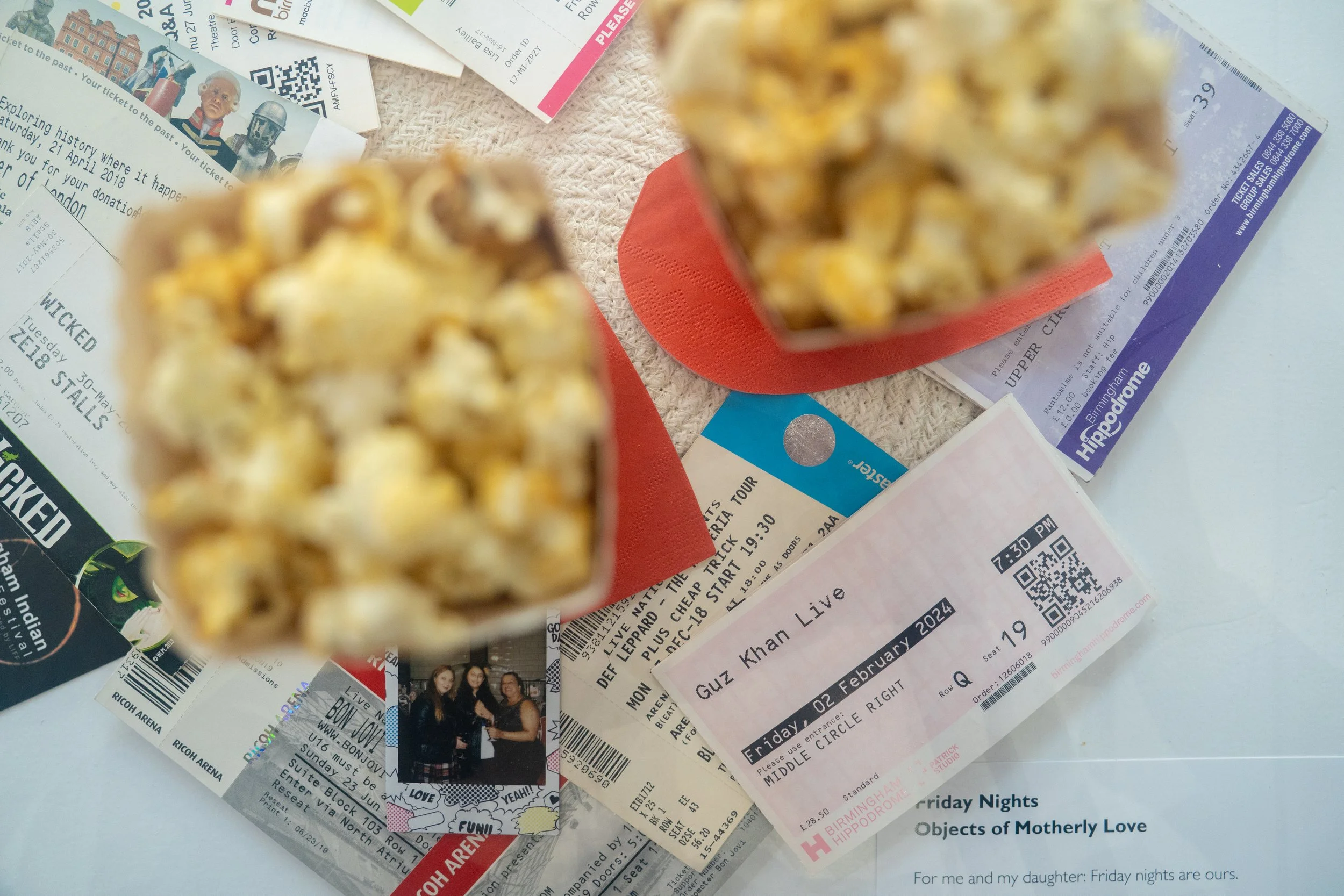
Friday Nights
Objects of Motherly Love
For me and my daughter: Friday nights are ours.
We start off by going to the local gym every Friday and we’re absolutely committed to it this year!!! We Are Committed.
After that, it’s family night. We go home, get comfortable, and watch something together: Disney, Amazon, Netflix, nothing complicated. It’s just time together.
We also go to the theatre and I am so glad my daughter enjoys it too. Or the cinema, but if I had the means, I’d watch everything at the theatre.
It’s not about the stage or the big and little screens. It’s about stopping, being together and reserving time for each other even if the Mon-Thurs before has been full on.
-
It Takes One Person
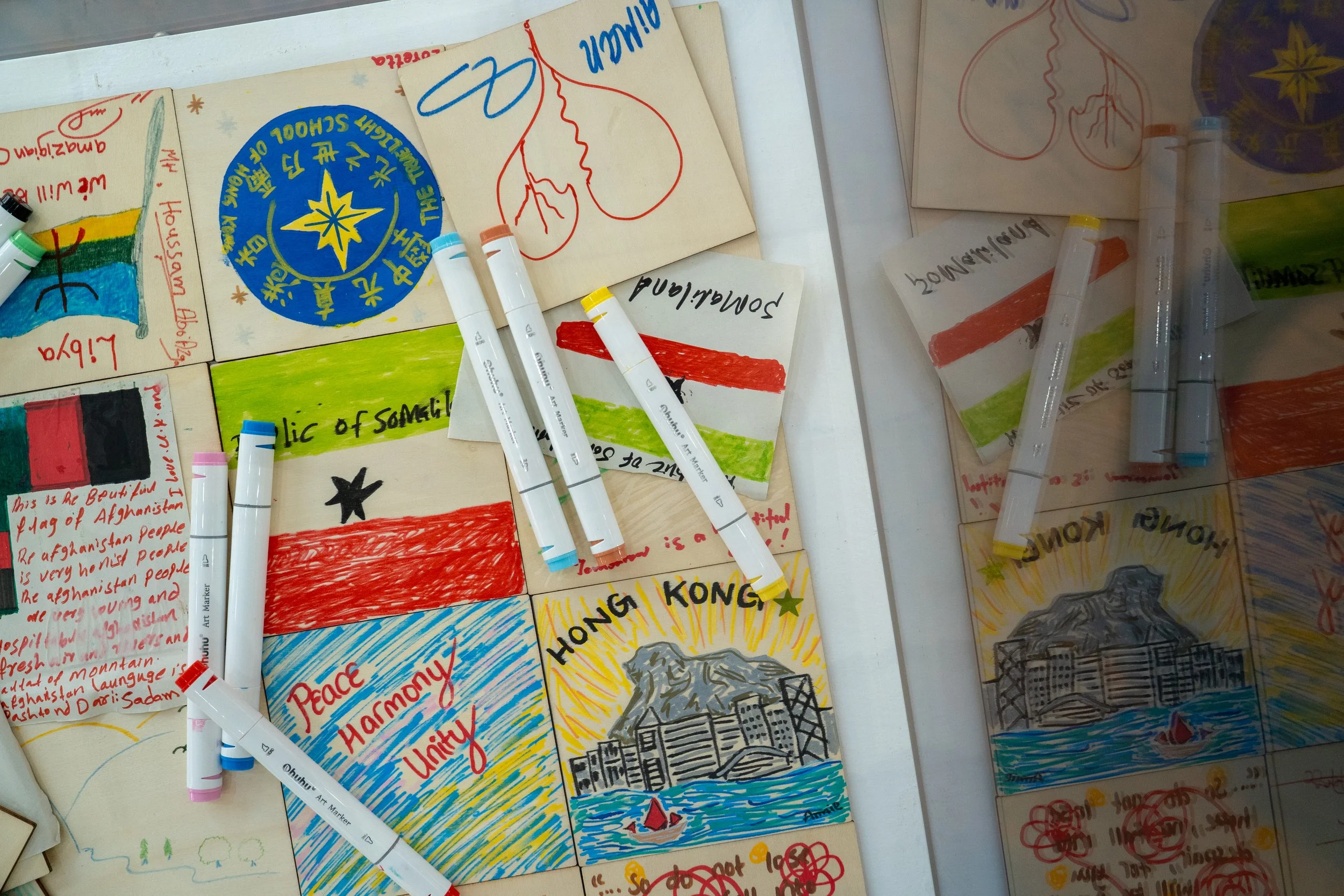
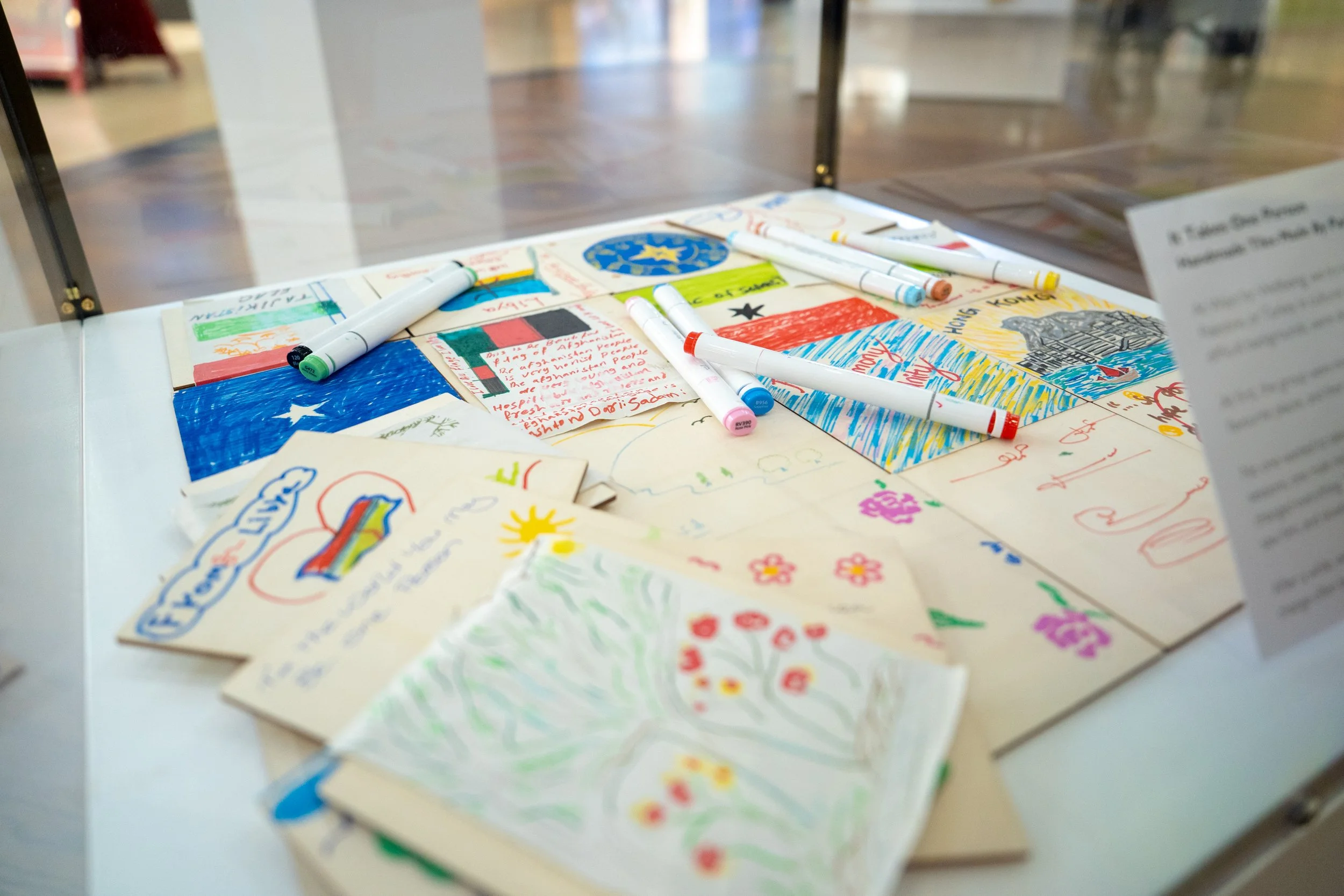
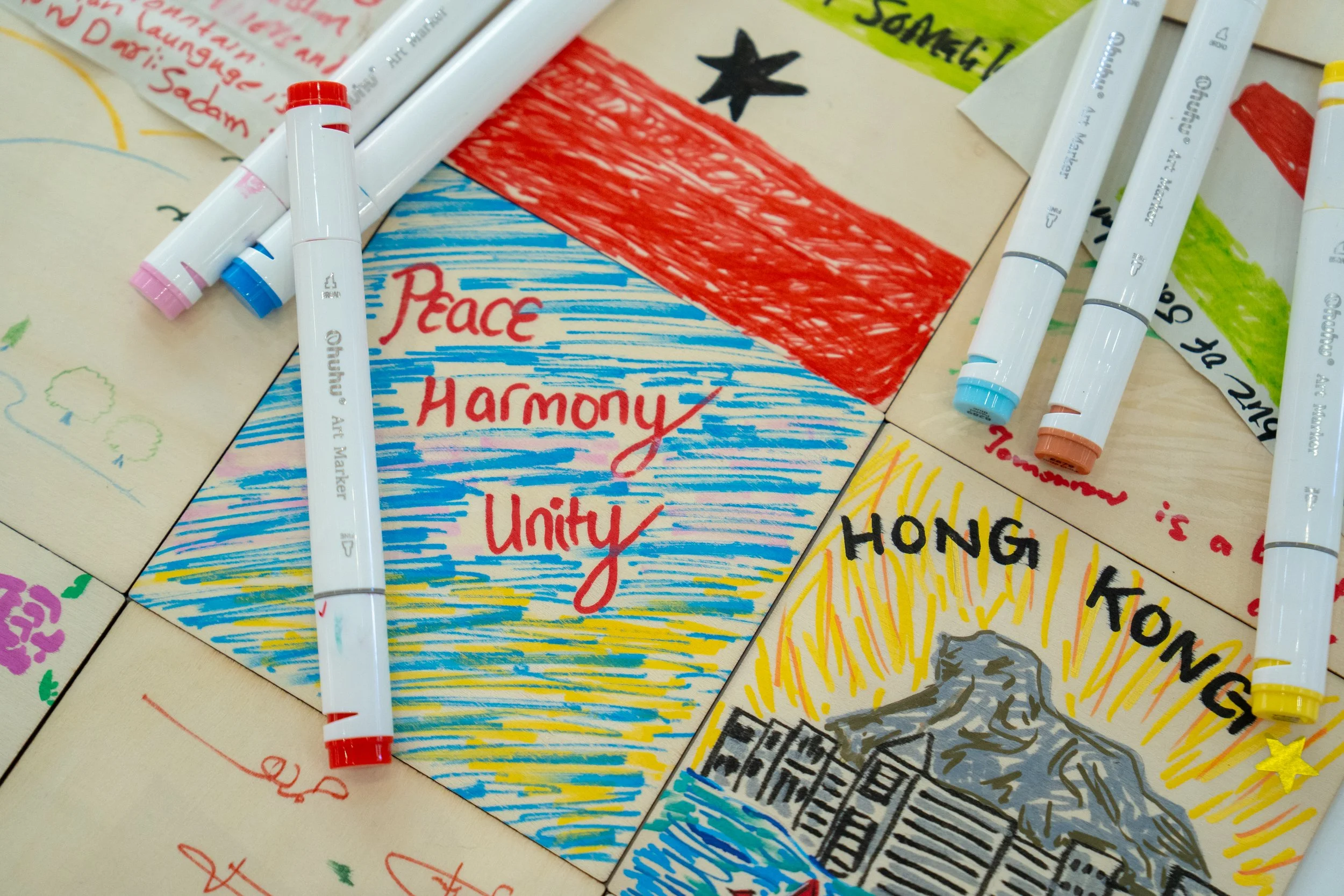
Handmade Tiles Made By Participants
At Ways for Wellbeing, we try to involve young men from places like Somalia,
Palestine, or Turkey in cultural activity at the Ramada Hotel Solihull. Many, from very difficult backgrounds, were disengaged from any form of creativity for a long time.
At first, the group were encouraged to use materials to represent their flags, their favourite places, and their memories of home. Blue water, green grass, landscapes.
No one wanted to take part because Art was not seen as ‘masculine’. But, after a few
sessions, one male resident who was himself an artist got involved. And that moment changed everything. That one individual changed everything. because the other men saw him, and slowly they started to engage.
After a while, we had ten young men actively taking part. These tiles remind me that change often begins when one person who feels confident enough to make a start.
-
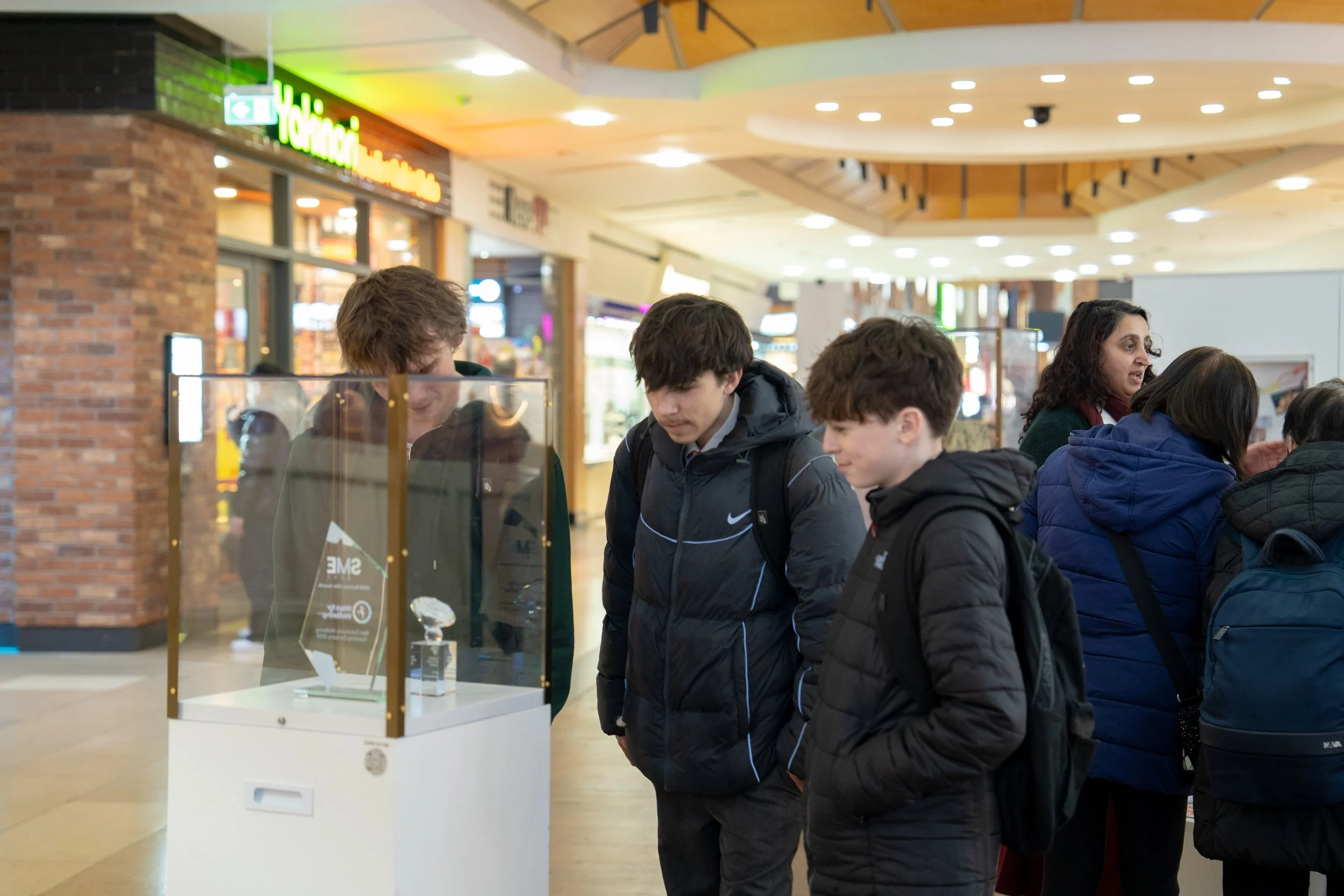
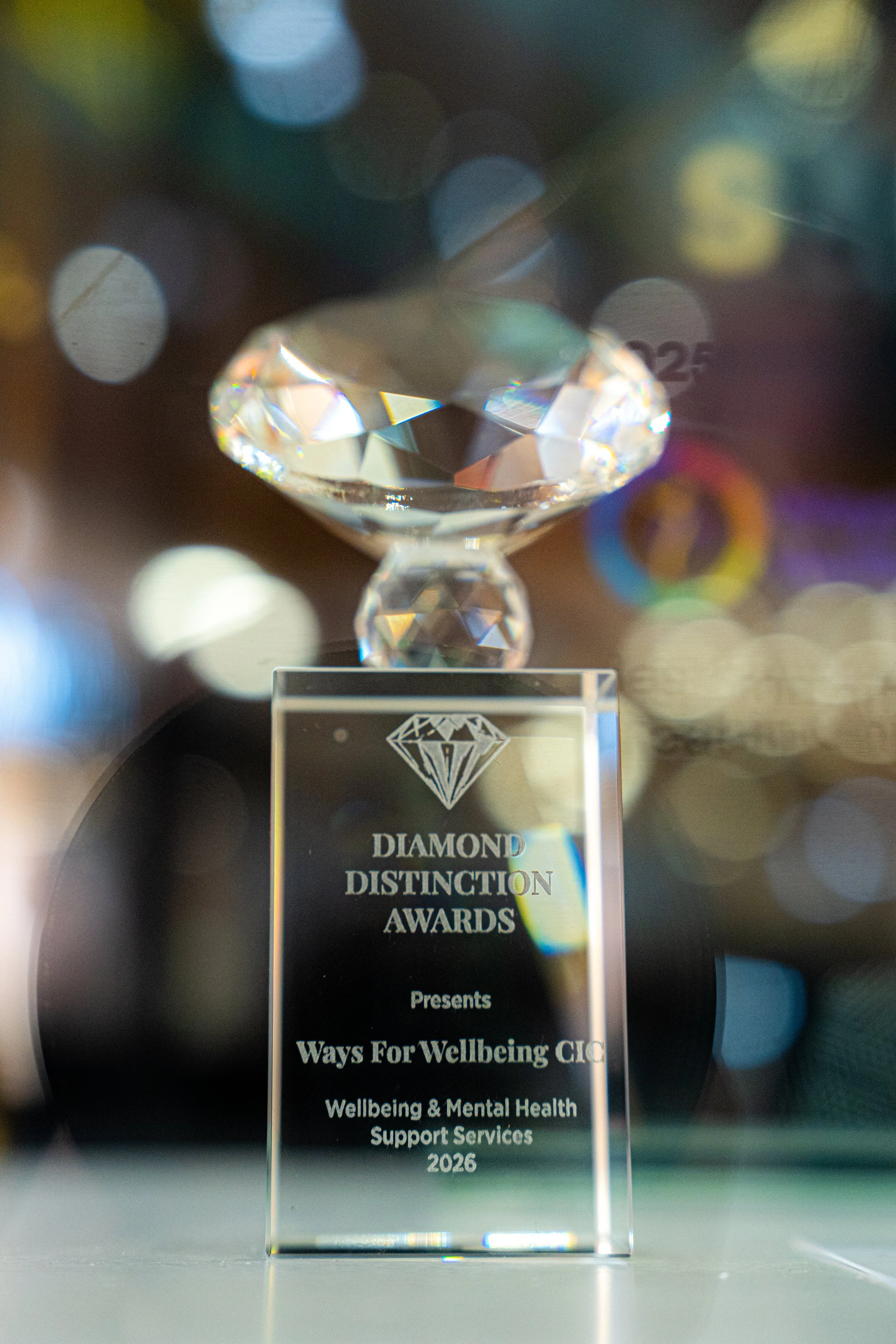
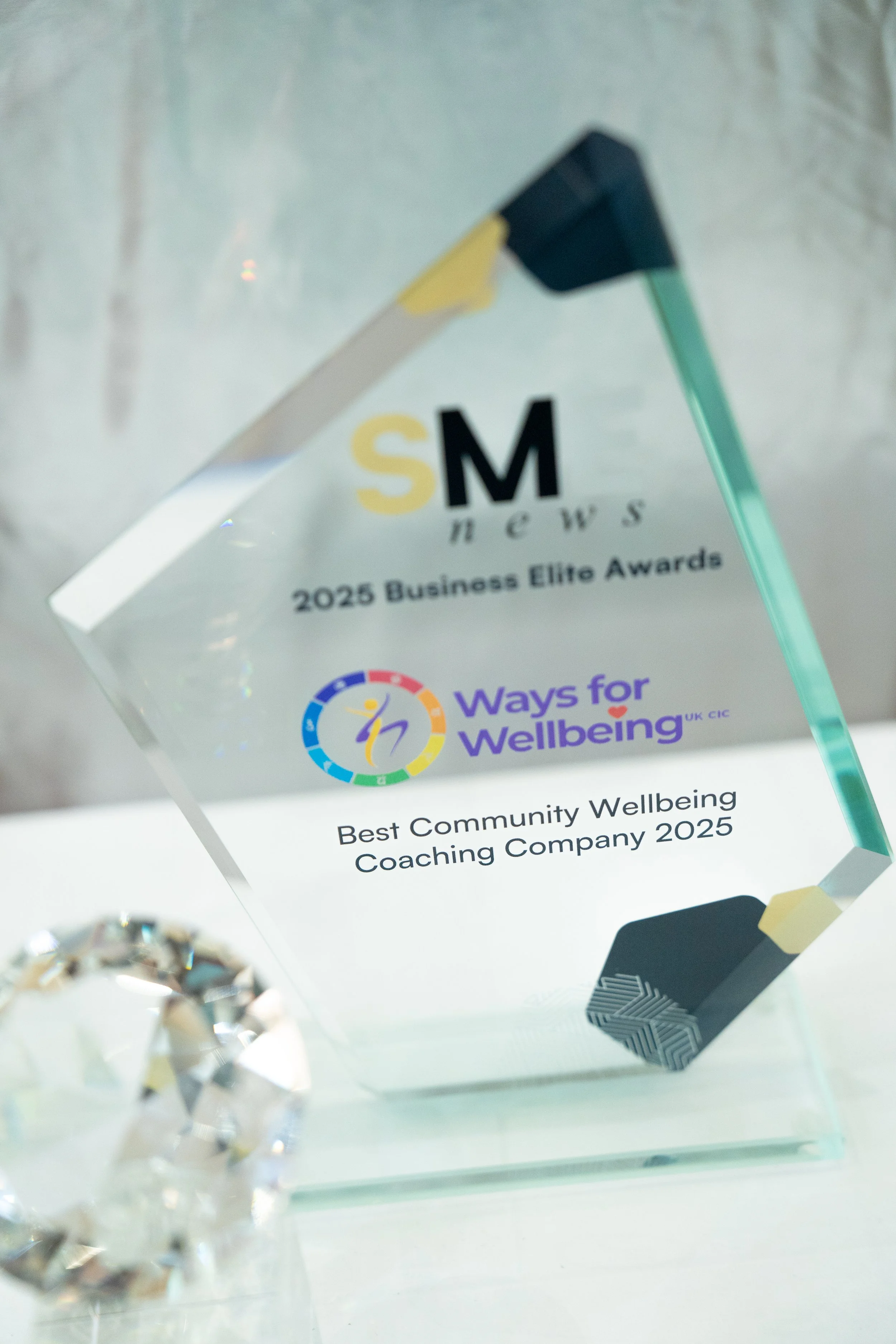
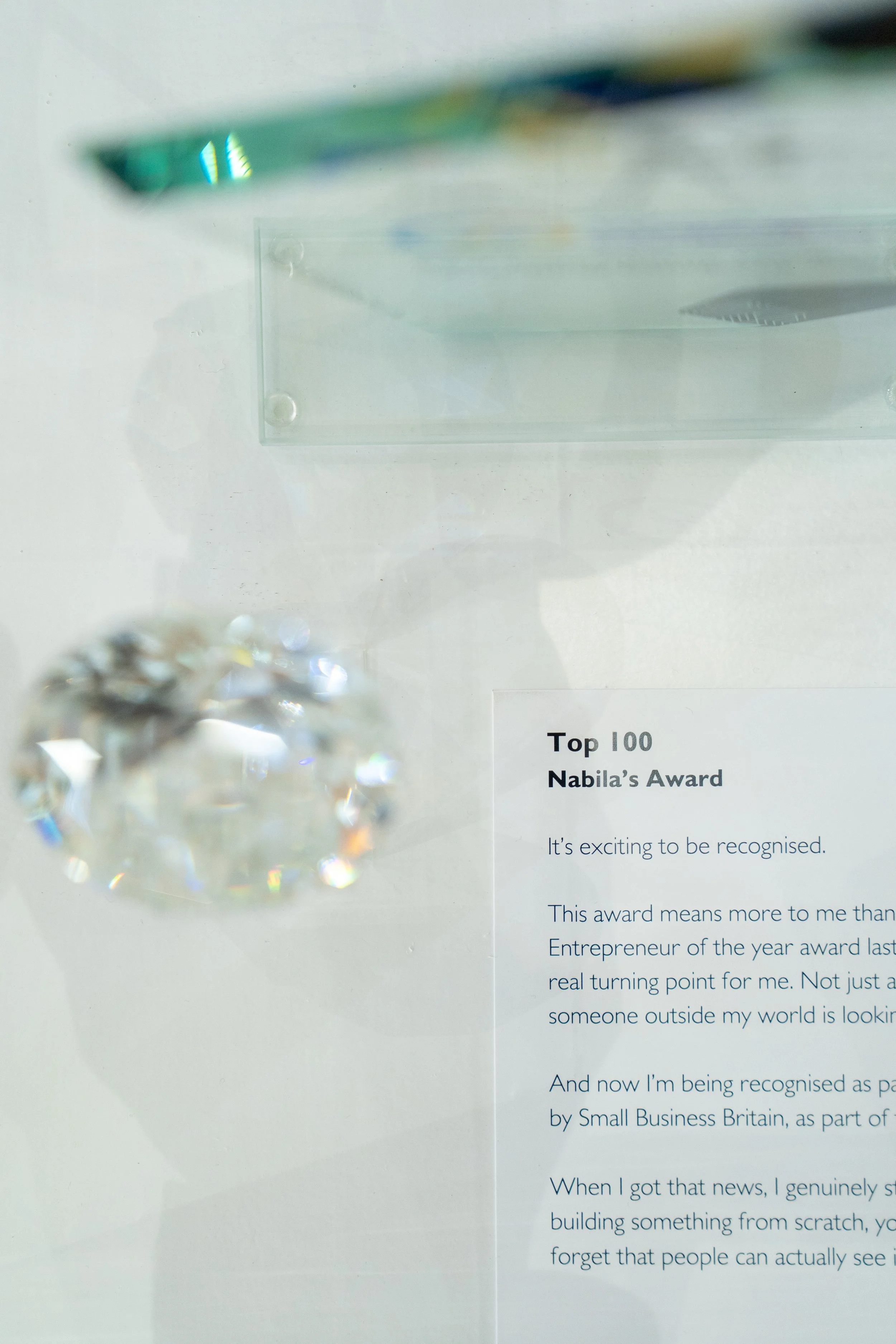
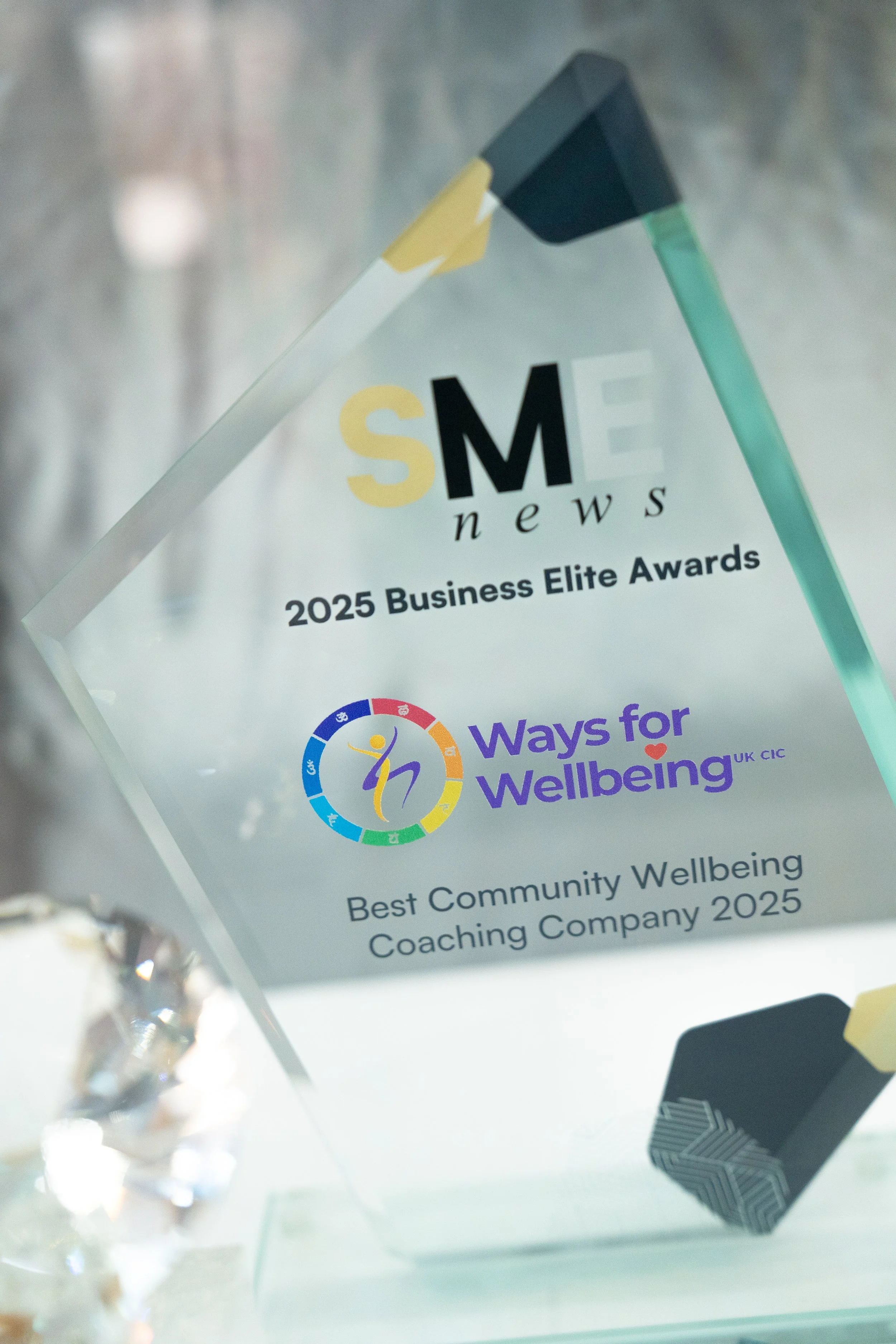
Top 100
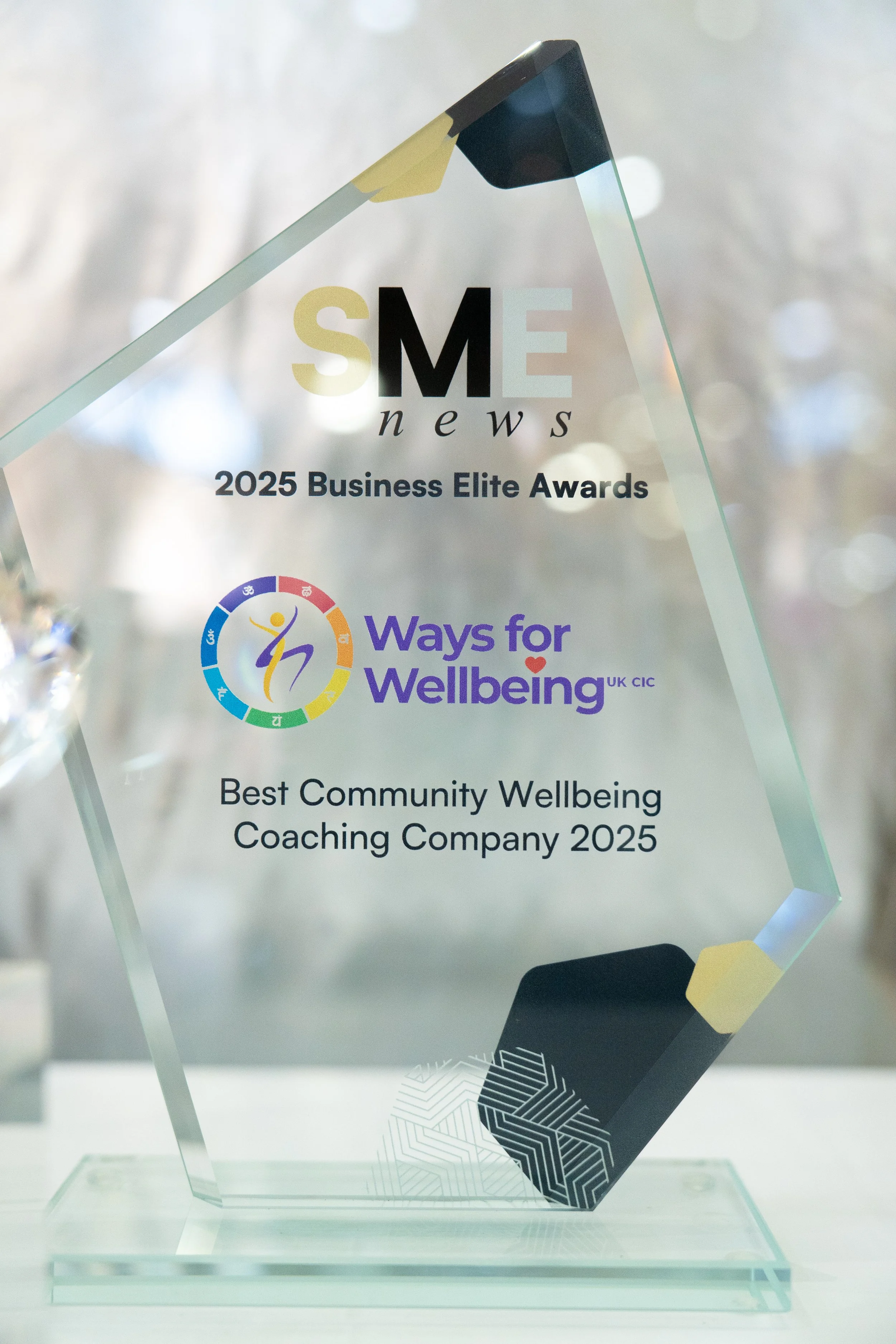
Nabila’s Award
It’s exciting to be recognised.
This award means more to me than I expected it to. I was shortlisted for a Disabled Entrepreneur of the year award last year and ended up as runner up, which felt like a real turning point for me. Not just a nice moment, but a moment where I thought, someone outside my world is looking at what I’ve built and saying, “yeah, this matters”.
And now I’m being recognised as part of the Top 100 Female Entrepreneurs for 2026 by Small Business Britain, as part of their #ialso100 2026 campaign.
When I got that news, I genuinely stopped for a moment. Because when you’rebuilding something from scratch, you spend so long just trying to make it work, you forget that people can actually see it.

Image Gallery